
Beautiful Plants For Your Interior
Beautiful Plants For Your Interior
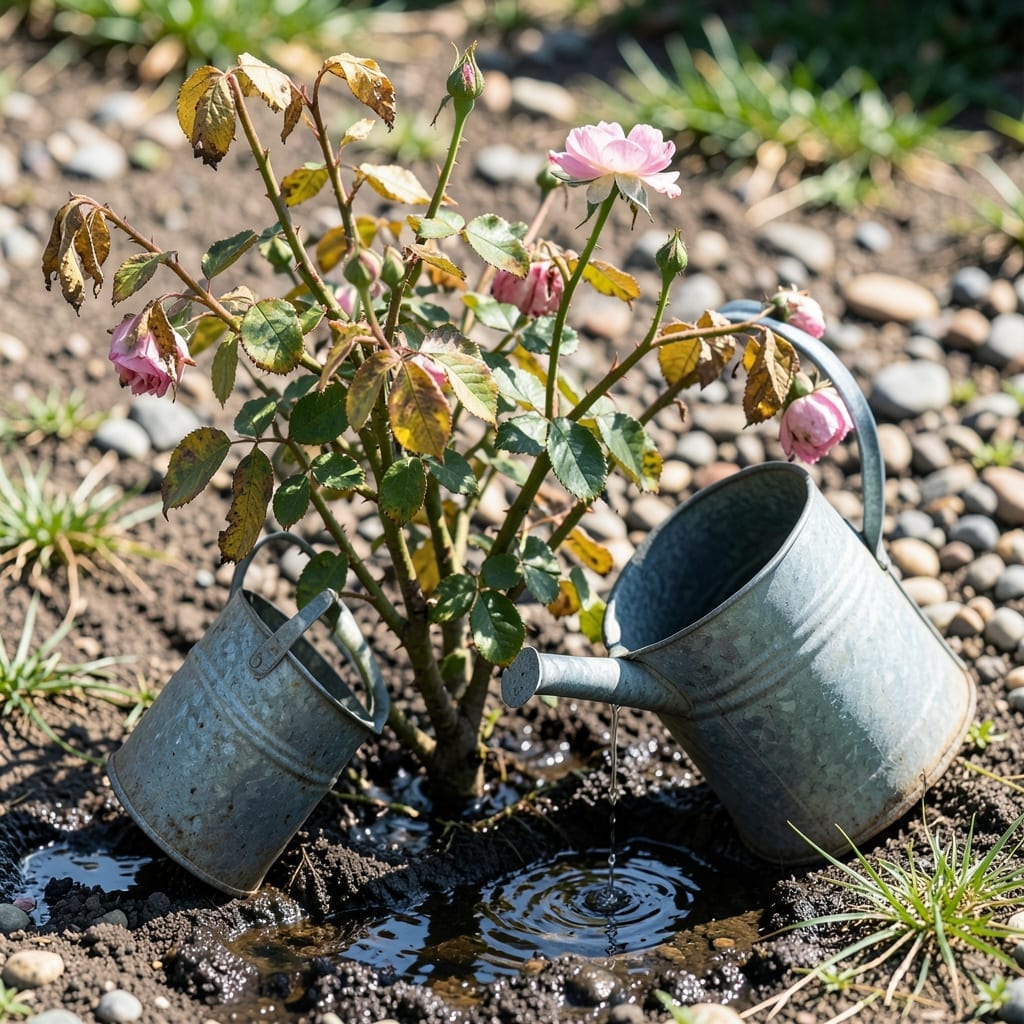
Drooping leaves and yellowing stems usually mean one thing: too much love. Overwatering is the silent killer most gardeners don’t see coming until it’s almost too late.
I’ve saved dozens of plants by catching the early signs—mushy stems, wilting despite wet soil, and that telltale sour smell. The fix isn’t complicated, but it does require quick action and a shift in how you think about watering.
With a few simple adjustments to your routine and environment, you can nurse those roots back to health. Most plants bounce back within 1-2 weeks if you act fast.
Works for potted blooms, garden beds, or that sad bouquet you can’t bear to toss. Here’s how to turn it around.
Overwatering doesn’t always happen because of carelessness—it’s often the result of misunderstanding a plant’s needs or environmental conditions. Here’s why it happens, broken down into clear, actionable causes.
Soil that retains too much moisture—like heavy clay or compacted mixes—prevents excess water from escaping. Roots suffocate in waterlogged soil because oxygen can’t reach them, leading to root rot. This is especially common in pots without drainage holes or garden beds with poor soil structure.
Light, daily watering keeps the top layer of soil damp but encourages shallow root growth. Plants develop weak root systems that can’t access deeper moisture, making them more susceptible to stress. Instead, deep, infrequent watering trains roots to grow downward, where soil stays moist longer.
Cool, cloudy weather slows evaporation, while high humidity reduces a plant’s need for water. Watering on a fixed schedule without adjusting for temperature, rainfall, or humidity can drown plants. Always check soil moisture 1–2 inches down before watering—if it’s damp, wait.
Containers without drainage holes trap water at the bottom, creating a swampy zone where roots rot. Even with holes, oversized pots hold excess moisture that small root systems can’t absorb. Choose pots just 1–2 inches larger than the root ball to prevent waterlogging.
Too much water can drown your flowers, but these practical fixes will help them bounce back. Act fast to save your blooms and prevent future mishaps.
Fix: Stop watering immediately and let the soil dry out. Move the plant to a shady spot to reduce stress. Trim any mushy, yellow leaves to redirect energy to healthy growth. Use clean scissors to avoid spreading disease.
Prevention: Stick your finger 1-2 inches into the soil—only water if it feels dry. Use pots with drainage holes to avoid soggy roots. 💡 Pro Tip: A moisture meter takes the guesswork out of watering.
Fix: Gently remove the plant from its pot and inspect the roots. Snip off any black, slimy roots with sterilized shears. Repot in fresh, well-draining soil and a clean container. Avoid fertilizing until the plant recovers.
Prevention: Choose a potting mix with perlite or sand to improve drainage. Elevate pots to prevent water from pooling underneath. ✨ Pro Tip: Terracotta pots wick away excess moisture better than plastic.
Fix: Tilt the pot to drain excess water, or place it on a layer of paper towels to absorb moisture. If the soil is chronically soggy, repot the plant in drier mix. For outdoor flowers, improve drainage by amending the soil with compost or mulch.
Prevention: Water deeply but less frequently—most flowers thrive on a “soak and dry” method. Group plants with similar water needs together to avoid overwatering some while underwatering others. 🎯 Pro Tip: Early morning watering reduces evaporation and fungal risks.
Check for yellowing leaves, mushy stems, or soil that stays soggy for days. A sour smell is another red flag. Stick your finger 1-2 inches into the soil—if it feels damp, hold off on watering.
Move the plant to a sunny, breezy spot and stop watering immediately. For potted plants, tilt the container to drain excess water or use paper towels to absorb moisture. Avoid fertilizing until the soil dries.
Many can, but they need your help. Trim damaged leaves, improve drainage, and adjust your watering routine. Most plants show improvement within 1-2 weeks if the roots aren’t severely rotted.