
Beautiful Plants For Your Interior
Beautiful Plants For Your Interior
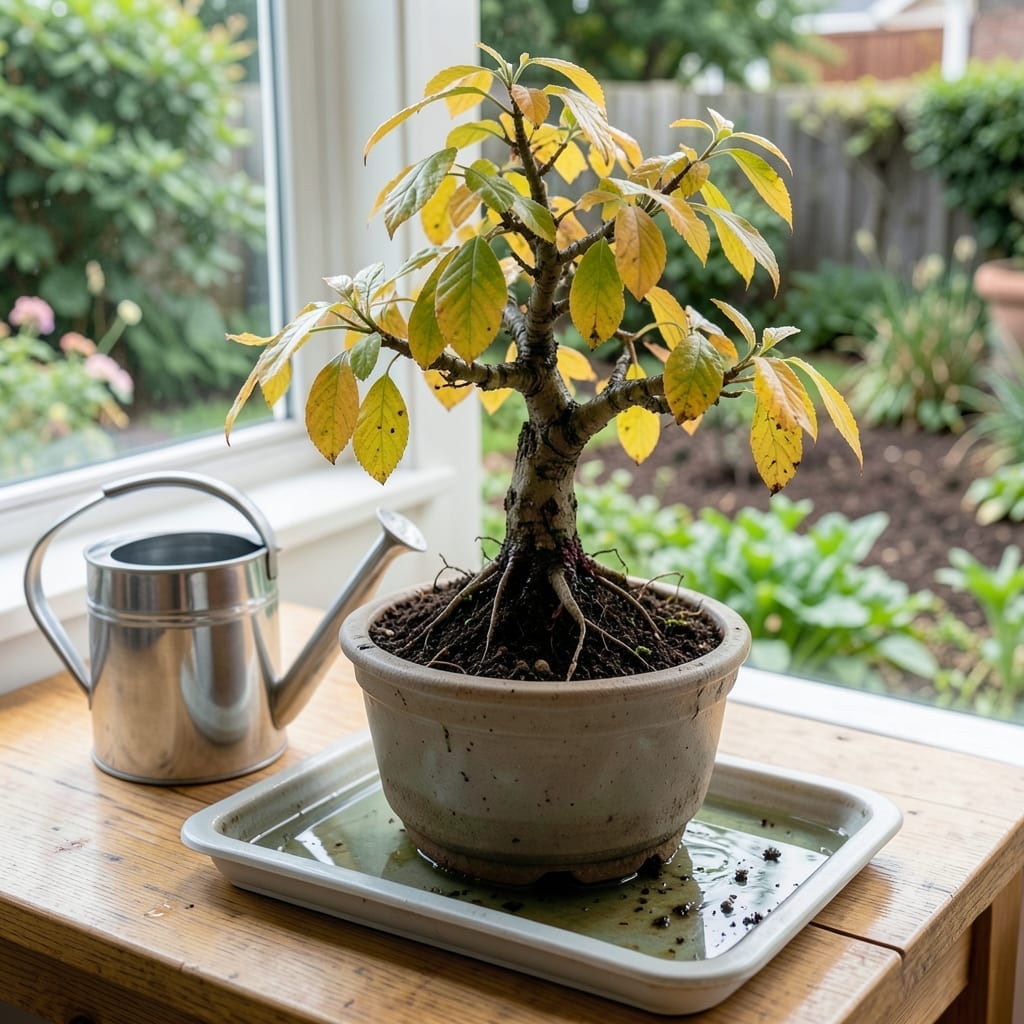
Yellow leaves and soggy soil spell trouble for bonsai lovers. I’ve saved more than a dozen trees from root rot by catching the problem early and acting fast.
The fix starts with stopping all water immediately and checking the roots. Healthy ones are firm and white—mushy, dark roots mean trouble. A simple repotting with fresh, fast-draining soil often does the trick.
Within 2-3 weeks, new growth appears if the damage wasn’t severe. The key is patience and resisting the urge to water until the top inch of soil feels dry.
Prevention comes down to three things: the right pot, the right soil, and a consistent watering schedule. No more soggy surprises.
Overwatering a bonsai often stems from well-intentioned but misguided care. Understanding the root causes helps prevent this common issue.
Many bonsai enthusiasts water their plants on a fixed schedule rather than checking soil moisture. Bonsai trees thrive in slightly dry conditions, as their small pots retain less water than larger containers. Watering daily—without assessing the tree’s needs—leads to soggy soil, suffocating roots, and fungal growth.
Bonsai pots must have drainage holes to prevent waterlogging. If the pot lacks holes or uses a dense, non-porous soil mix (like pure peat), water cannot escape, trapping moisture around the roots. Compacted soil further exacerbates this by reducing aeration, starving roots of oxygen.
Seasonal changes, humidity, and light exposure directly impact watering needs. For example, a bonsai in high humidity or low light requires less frequent watering, as evaporation slows. Conversely, hot, dry climates increase water loss, but overcompensating with excessive watering can still drown the roots.
Standard potting soil retains too much moisture for bonsai. Ideal bonsai soil contains coarse particles (e.g., akadama, pumice, or perlite) to improve drainage and aeration. Organic-heavy mixes break down over time, becoming waterlogged and prone to compaction.
Reviving an overwatered bonsai starts with quick action and the right care. Below are targeted fixes for common symptoms, along with prevention tips to keep your tree thriving.
If your bonsai’s leaves are turning yellow, it’s likely drowning. Stop watering immediately and let the soil dry out slightly. Check the top inch—if it’s damp, wait. Use a chopstick: if it comes out clean and dry, it’s time to water. Prevention tip: 💡 Stick to a schedule (e.g., every 5–7 days) and adjust based on humidity and season.
Wilting despite wet soil? Your bonsai may be suffocating. Repot it in fresh, well-draining soil (akadama or a bonsai mix with perlite works best). Ensure the pot has drainage holes, and elevate it to avoid water pooling. Prevention tip: ✨ Always use pots with drainage holes and avoid saucers that trap water.
A musty smell or white mold means root rot has set in. Act fast: Remove the bonsai from its pot, trim black or mushy roots with sterilized scissors, and repot in fresh soil. Water lightly with a fungicide solution to prevent recurrence. Prevention tip: 🌡️ Water only when the soil is just starting to dry—never let it sit soggy.
If soil retains moisture for days, it’s too dense. Replace it with a fast-draining mix (e.g., 60% aggregate like pumice or lava rock, 40% organic matter). This mimics natural conditions and prevents waterlogging. Prevention tip: 🎯 Test your soil by watering it—if water pools on top, it’s time for a change.
With these fixes, your bonsai can bounce back. Stay observant, and adjust your care routine to match its needs!
Yellowing leaves, mushy stems, or soil that stays soggy for days are clear signs. A foul odor from the pot also indicates root rot from excess moisture.
Use a fast-draining mix with 60% inorganic material like pumice or perlite and 40% organic matter. This ensures water flows through quickly while retaining just enough moisture.
Yes, if you act fast. Remove the plant, trim black/mushy roots, and repot in fresh, dry soil. Avoid watering for 3-5 days to let roots recover.
Check the soil daily—water only when the top inch feels dry. Frequency varies by climate and pot size, but most thrive on 5-7 day intervals.