
Beautiful Plants For Your Interior
Beautiful Plants For Your Interior
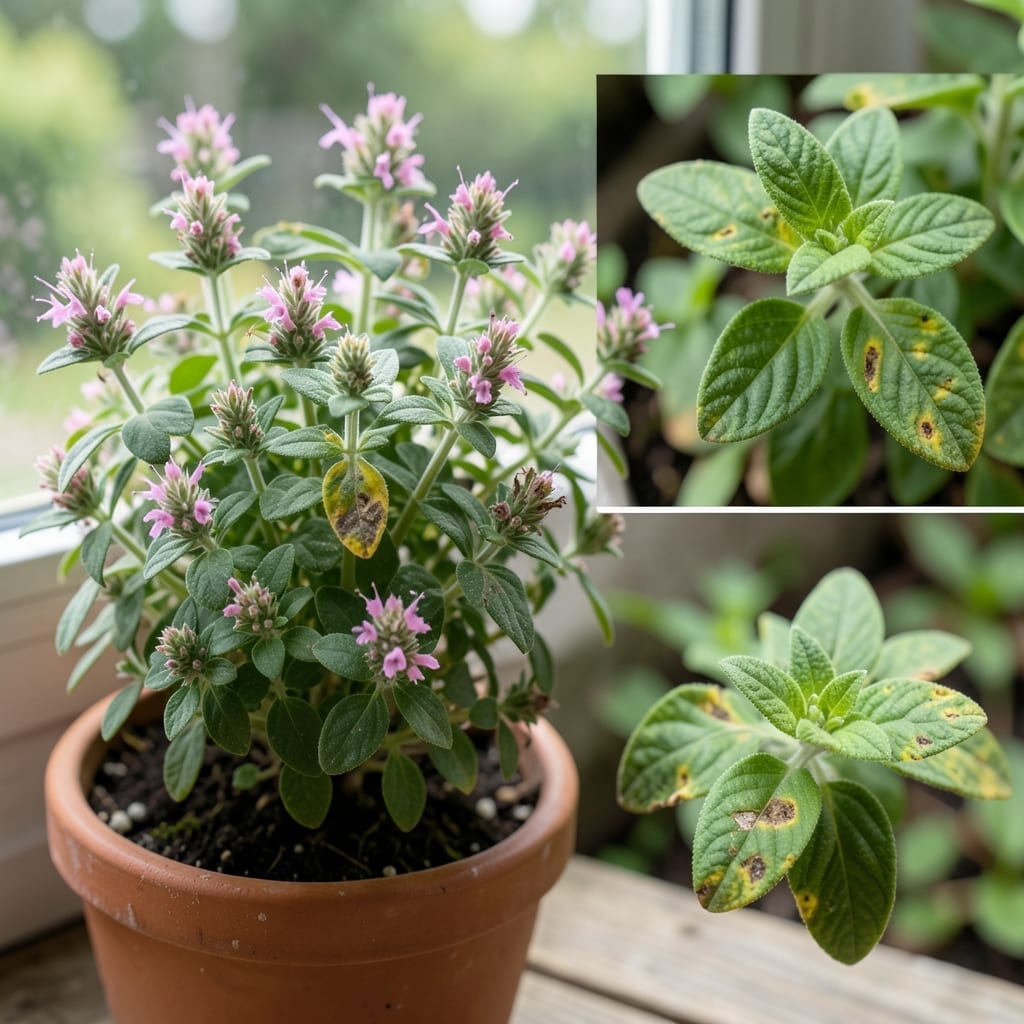
Your oregano’s yellowing leaves or blackened stems might be trying to tell you something. I’ve seen healthy patches turn sickly overnight, and the key is catching the warning signs early.
Most oregano problems start with too much moisture or poor air flow. Spotting, wilting, or powdery residue are red flags that need immediate attention before the whole plant is at risk.
With the right adjustments—like better drainage or spacing—you can stop the spread and revive your plants. The difference between a struggling patch and a thriving one often comes down to simple fixes.
This guide helps you match symptoms to solutions so you can act fast. No guesswork, just clear steps to get your oregano back on track.
Oregano is a hardy herb, but even the toughest plants can fall victim to disease. Understanding why these issues arise is the first step in prevention. Below are the primary causes, broken down for clarity.
Fungi thrive in damp, poorly ventilated environments. Overwatering or high humidity creates the perfect breeding ground for pathogens like Alternaria or Botrytis. These fungi spread via spores, which can linger in soil or on plant debris. Action: Improve airflow, avoid overhead watering, and remove infected plant parts immediately.
Pests like aphids, spider mites, and whiteflies weaken oregano by piercing plant tissues and sucking out sap. This stress makes the plant more susceptible to secondary infections. Action: Introduce natural predators (e.g., ladybugs) or use neem oil sprays to deter pests before they cause lasting damage.
Extreme temperatures, drought, or nutrient deficiencies can compromise oregano’s immune system. For example, powdery mildew often appears when plants experience temperature swings or inadequate sunlight. Action: Maintain consistent growing conditions and ensure the soil is well-draining and rich in organic matter.
Bacteria such as Pseudomonas or Xanthomonas enter through wounds or natural openings, causing spots, wilting, or dieback. These pathogens spread via contaminated tools, water, or infected plant material. Action: Sterilize pruning tools, avoid working with wet plants, and remove infected specimens to prevent spread.
By addressing these root causes, you can significantly reduce the risk of disease in your oregano crop. Early intervention is key!
Dealing with oregano diseases doesn’t have to be overwhelming. Below are targeted solutions for common issues, paired with prevention tips to keep your plants thriving. 🌿
If you spot white, powdery spots on leaves, prune affected areas immediately and dispose of them in sealed bags. Treat the plant with a baking soda solution (1 tbsp baking soda + 1 tsp dish soap + 1 gallon of water) sprayed weekly. Prevention tip: Space plants 12–18 inches apart for better airflow and water at the base to keep foliage dry. 💡
Yellowing leaves and wilting? Root rot is likely from overwatering. Stop watering immediately and let the soil dry out. If the roots are mushy, trim them and repot in fresh, well-draining soil. Prevention tip: Use pots with drainage holes and a gritty soil mix to avoid soggy conditions. 🌧️
Tiny bugs or webbing? Blast them off with a strong stream of water, then apply neem oil or insecticidal soap every 3–5 days until gone. Prevention tip: Encourage ladybugs and lacewings—natural predators—by planting companion flowers like marigolds. 🐞
Brown or black spots? Remove infected leaves and avoid overhead watering. Apply a copper fungicide if the problem persists. Prevention tip: Rotate crops yearly and clean garden tools to prevent fungal spores from spreading. ✨
Consistent care and quick action will keep your oregano healthy and flavorful for years to come!
Healthy oregano has vibrant green, firm leaves with no spots or discoloration. The stems should be sturdy, not mushy or blackened. Any yellowing or wilting signals a potential issue.
Ensure good airflow by spacing plants 12–18 inches apart. Water at the base to keep foliage dry, and avoid overhead watering. Remove any infected leaves immediately.
Not always—brown spots can also come from sunburn or nutrient deficiencies. Check for patterns: irregular spots often indicate disease, while uniform browning may be environmental.
If caught early, yes. Stop watering, trim mushy roots, and repot in fresh, well-draining soil. Severe cases may require discarding the plant to protect others.