
Beautiful Plants For Your Interior
Beautiful Plants For Your Interior
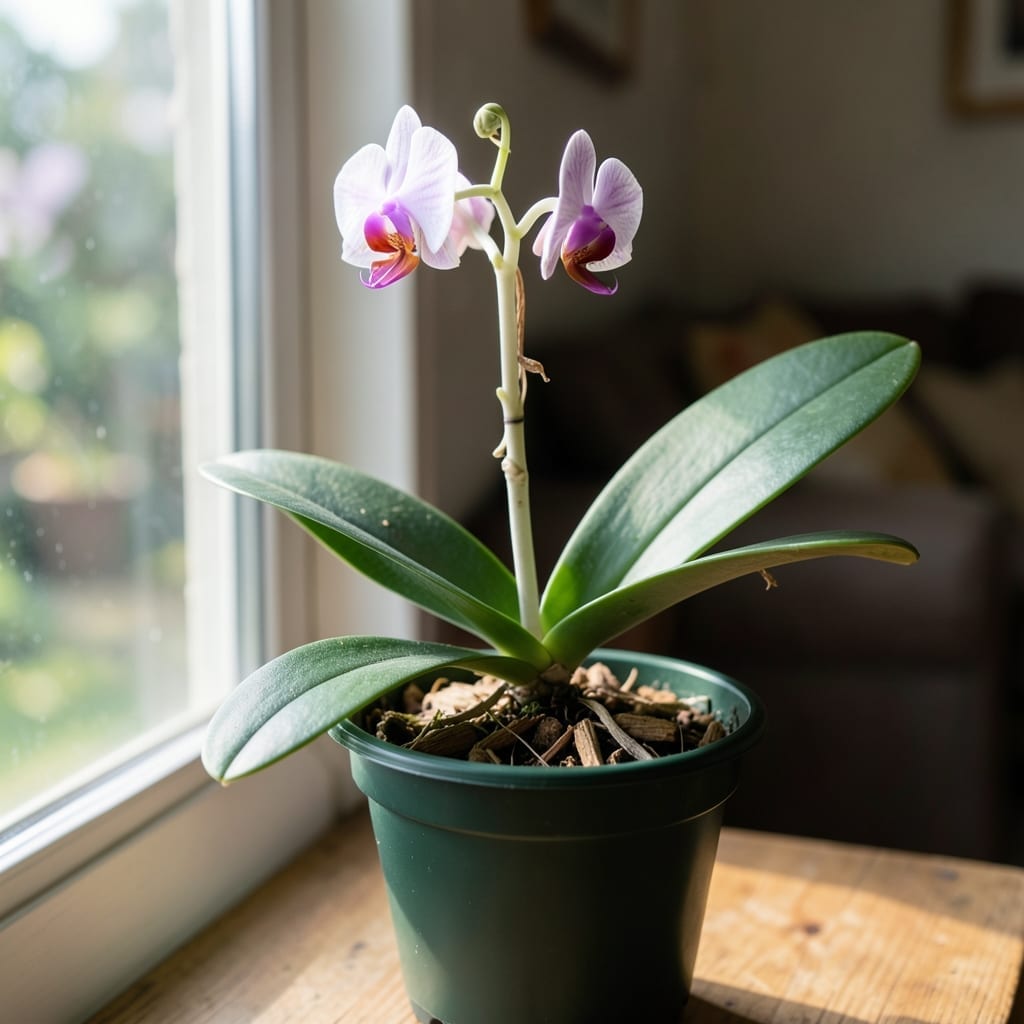
That white stem on your orchid means trouble, but it’s fixable. I’ve saved dozens from this exact issue by catching it early and acting fast.
The culprit is usually root rot from overwatering or poor drainage, though sometimes it’s a fungal infection. The stem turns white as it softens and starts to break down. Left too long, it spreads to the roots and kills the plant.
You’ll need to trim the damaged stem with sterilized shears, repot in fresh mix, and adjust your watering routine. Most orchids bounce back within 4-6 weeks with the right care.
Prevention is simple: water only when the mix is nearly dry, use a well-draining pot, and keep an eye on humidity levels. No more white stems.
Orchid stems turning white often signal underlying problems. Below are the most common causes, explained with actionable insights.
Excess moisture suffocates the roots, preventing oxygen uptake. This leads to root rot, a fungal or bacterial infection that disrupts nutrient transport. Without proper nourishment, the stem loses its green pigment (chlorophyll), turning white or yellow. Action: Check the roots—mushy, brown roots confirm rot. Repot in fresh, well-draining mix and trim affected areas.
Extreme temperatures (below 50°F or above 90°F) or direct sunlight can bleach the stem. Orchids thrive in indirect light (10,000–20,000 lux) and stable temps (65–80°F). Prolonged exposure to harsh conditions breaks down chlorophyll, causing discoloration. Action: Move the plant to a shaded, temperature-controlled area.
A lack of magnesium or nitrogen—key for chlorophyll production—can turn stems pale. Over-fertilizing (salt buildup) also blocks nutrient absorption. Action: Use a balanced orchid fertilizer (20-20-20) diluted to half-strength, applied every 2–4 weeks. Flush the pot with water monthly to prevent salt accumulation.
Pathogens like Fusarium or Phytophthora attack weakened stems, often entering through wounds or poor airflow. White patches may appear as the tissue dies. Action: Isolate the plant, remove infected parts with sterilized tools, and treat with a copper-based fungicide.
If your orchid stem is turning white, act fast to save your plant. Below are targeted fixes for the most common causes, along with prevention tips to keep your orchid thriving.
Fix: Remove the orchid from its pot and inspect the roots. Trim any mushy, brown roots with sterilized scissors, then repot in fresh, well-draining orchid mix (bark-based works best). Use a pot with drainage holes to prevent waterlogging.
Prevention: Water only when the top inch of the mix feels dry. Stick to a soak-and-dry method: soak the pot for 5–10 minutes, then let it drain completely. 💡 Pro Tip: Use clear pots to monitor root health and moisture levels.
Fix: Isolate the infected orchid to prevent spreading. Prune affected stems and roots with sterilized tools, then treat with a copper-based fungicide or hydrogen peroxide solution (1 part 3% peroxide to 4 parts water). Spray lightly on the remaining healthy tissue.
Prevention: Improve air circulation around your plants and avoid wetting the leaves or stem when watering. Sterilize tools between uses to prevent contamination.
Fix: Move your orchid to a spot with bright, indirect light (east or north-facing windows are ideal). If the stem is already bleached, it won’t recover, but new growth will be healthy if light conditions are corrected.
Prevention: Gradually acclimate orchids to brighter light over weeks. Use sheer curtains to diffuse harsh sunlight, especially in south or west-facing windows.
Fix: Keep orchids in a stable environment between 65–80°F (18–27°C) during the day and a 10°F (5°C) drop at night. Avoid placing them near drafts, heaters, or air conditioning vents.
Prevention: Monitor temperature fluctuations with a simple indoor thermometer. Group orchids together to create a microclimate with consistent humidity and temperature.
Not always. While root rot is the most common cause, it could also be sunburn, temperature stress, or a fungal infection. Check for mushy roots or white patches to confirm.
Unfortunately, no. Once a stem turns white, the tissue is damaged and won’t regain its green color. Focus on saving the rest of the plant with proper care.
Water only when the top 1 inch of mix feels dry. Use the soak-and-dry method: soak for 5–10 minutes, then let it drain completely.
Isolate the plant, prune affected areas with sterilized tools, and apply a copper-based fungicide. Improve airflow to prevent future infections.