
Beautiful Plants For Your Interior
Beautiful Plants For Your Interior
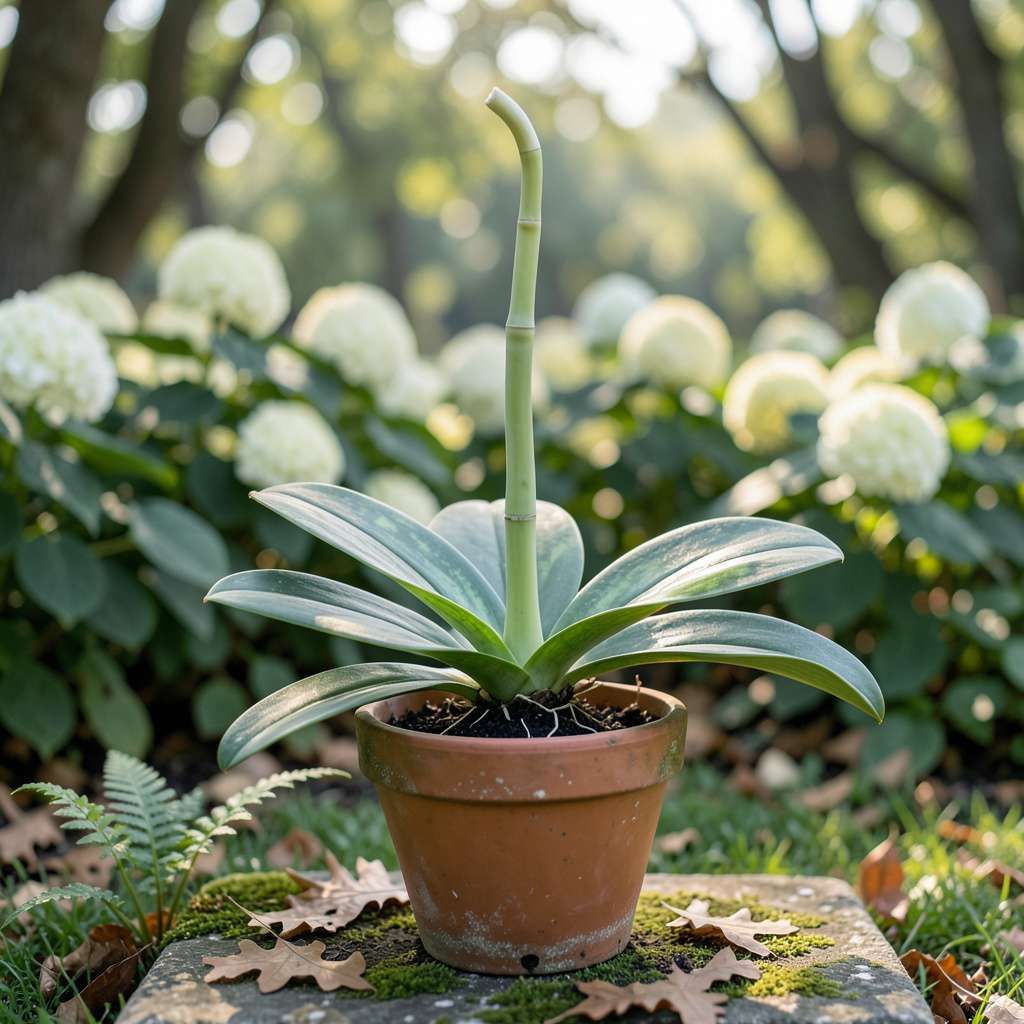
Cut the orchid stem just above a visible node, typically 1/4 inch below a leaf junction, to encourage new growth and maintain plant health.
Understanding where to prune is crucial for the vitality of your orchids. 🌸 Nodes are essential as they serve as growth points, allowing the plant to channel nutrients effectively. I always ensure to cut just above a node to minimize damage and promote healthy regrowth. This technique not only helps with new flower spikes but also supports the overall health of the plant by directing energy where it’s needed most. 🌱
💡 In This Article
Understanding the anatomy of orchid stems is crucial for effective pruning. Nodes are vital growth points that house vascular bundles, which transport nutrients and water throughout the plant. When you prune just above a node, you help preserve these pathways, allowing the orchid to channel energy efficiently toward new growth. 🌿
Cutting too close to the base can hinder the plant’s ability to regenerate. The vascular bundles are concentrated near nodes, so maintaining a healthy distance ensures the orchid retains sufficient resources for recovery. If you cut too low, you risk damaging these essential structures, which can lead to stunted growth or even plant death. 🌱
Nodes also play a significant role in redirecting energy within the plant. After blooming, orchids shift their energy from flowering to vegetative growth. By cutting above a node, you encourage the plant to focus on producing new shoots or flower spikes, revitalizing its health and vigor.
This strategy is particularly effective for species like Phalaenopsis, which thrive on this type of care. 💪
As you prepare to prune, it’s important to identify the nodes correctly. Look for visible scars left by previous leaves—these indicate where nodes are located. Using sterilized shears will help prevent infection and ensure a clean cut, promoting faster healing for your orchid.
Always aim for about 1/4 inch above the node to provide enough stem for regrowth. 🔪
Different species may require slightly varied approaches; for instance, Dendrobium orchids may have more pronounced nodes than others. Being aware of these differences can greatly enhance your success rate with pruning techniques. Observing how your specific orchid responds will guide your future cutting decisions effectively. 🌼
