
Beautiful Plants For Your Interior
Beautiful Plants For Your Interior
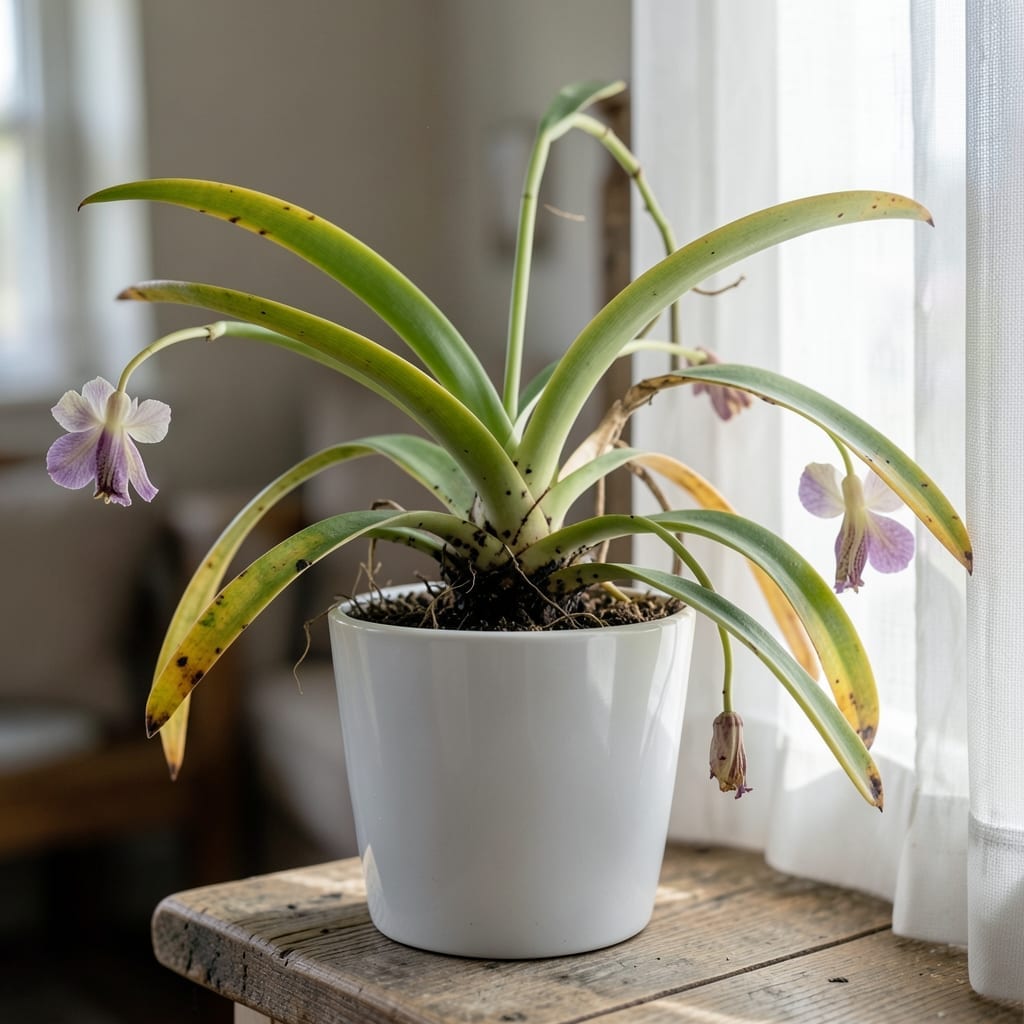
That sour smell hitting you when you walk past your orchid? Not normal. 🌸 I first noticed it with my favorite Phalaenopsis—thought I was imagining things until the scent got worse by the day.
Turns out it’s usually rot or infection setting in. The fix starts with checking the roots and potting mix for mush, then adjusting your watering routine. Most cases clear up with 3 simple steps and a bit of patience.
You’ll know it’s working when that fresh, clean orchid scent returns. The blooms stay vibrant longer too, and new growth appears within 2-3 weeks of treatment.
Prevention is easier than the cure. Better drainage, proper air flow, and a consistent care schedule keep bad smells from coming back.
Orchids are prized for their beauty, but an unpleasant odor can signal underlying issues. Here’s why your orchid might smell bad, broken down by cause:
Overwatering or poor drainage creates a damp environment where bacteria (e.g., Erwinia) or fungi (e.g., Fusarium) thrive. These microbes break down plant tissue, releasing foul, rotten smells. The odor is often sour or musty, and you may see blackened stems or mushy roots.
When roots sit in stagnant water, they suffocate and decay. Phytophthora or Pythium fungi accelerate this process, producing a putrid, sewage-like stench. Healthy orchid roots are firm and silver-green; rotten roots turn brown, slimy, or hollow.
Old potting mix, dead leaves, or trapped debris in the growing medium can decompose, emitting a moldy or earthy odor. Orchids in bark-based mixes are especially prone to this if the material breaks down too quickly, trapping moisture.
Pests like scale insects or mealbugs excrete honeydew, a sticky substance that fosters sooty mold. The combination of pest waste and fungal growth can produce a stale, sweet, or rancid smell. Check under leaves and at the base of stems for tiny bugs or white cottony clusters.
Addressing these issues promptly—by improving airflow, repotting, or treating infections—can restore your orchid’s fresh scent and health.
If your orchid has an unpleasant odor, the fix often depends on the root cause. Here’s how to tackle each issue with simple, actionable steps:
Gently remove the orchid from its pot and trim away any black, mushy roots with sterilized scissors. Soak the remaining healthy roots in a 1:10 hydrogen peroxide-to-water solution for 10 minutes to disinfect. Repot in fresh, well-draining orchid mix (bark-based) and a clean pot with drainage holes. Prevention tip: 💡 Water only when the top inch of mix is dry, and avoid letting the plant sit in a saucer of water.
Let the orchid dry out completely between waterings. Switch to a pot with better drainage or add perlite to the mix to improve airflow. If the potting medium is soggy, replace it entirely. Prevention tip: ✨ Use a moisture meter or the “finger test” (stick your finger in the mix—if it’s damp, wait).
Wipe down leaves and stems with a damp cloth to remove pests like scale or mealybugs. For fungal issues, spray with a natural fungicide (e.g., neem oil or cinnamon solution). Isolate the plant to prevent spreading. Prevention tip: 🎯 Increase air circulation with a small fan and avoid overhead watering to keep foliage dry.
Remove spent blooms or yellowing leaves with clean shears, cutting just above a healthy node. This prevents decay, which can cause foul odors. Prevention tip: 🌡️ Keep your orchid in bright, indirect light and fertilize lightly every 2–4 weeks during active growth to promote healthy blooms.
Scrub the pot and saucer with soap and hot water, then rinse thoroughly. If using decorative cache pots, ensure they’re dry before placing the orchid back inside. Prevention tip: 🔥 Clean pots and tools regularly to avoid bacterial growth.
That sour odor usually means bacterial growth or root rot. Overwatering creates a damp environment where harmful microbes thrive, breaking down plant tissue. Check for mushy roots or blackened stems.
Yes! Remove it from the pot, trim rotten roots, and repot in fresh, well-draining mix. Soak remaining roots in a 1:10 hydrogen peroxide solution for 10 minutes to disinfect. Most recover with proper care.
Water only when the top inch of mix is dry, and ensure your pot has drainage holes. Use a bark-based potting mix and increase airflow with a small fan. Clean pots regularly.