
Beautiful Plants For Your Interior
Beautiful Plants For Your Interior
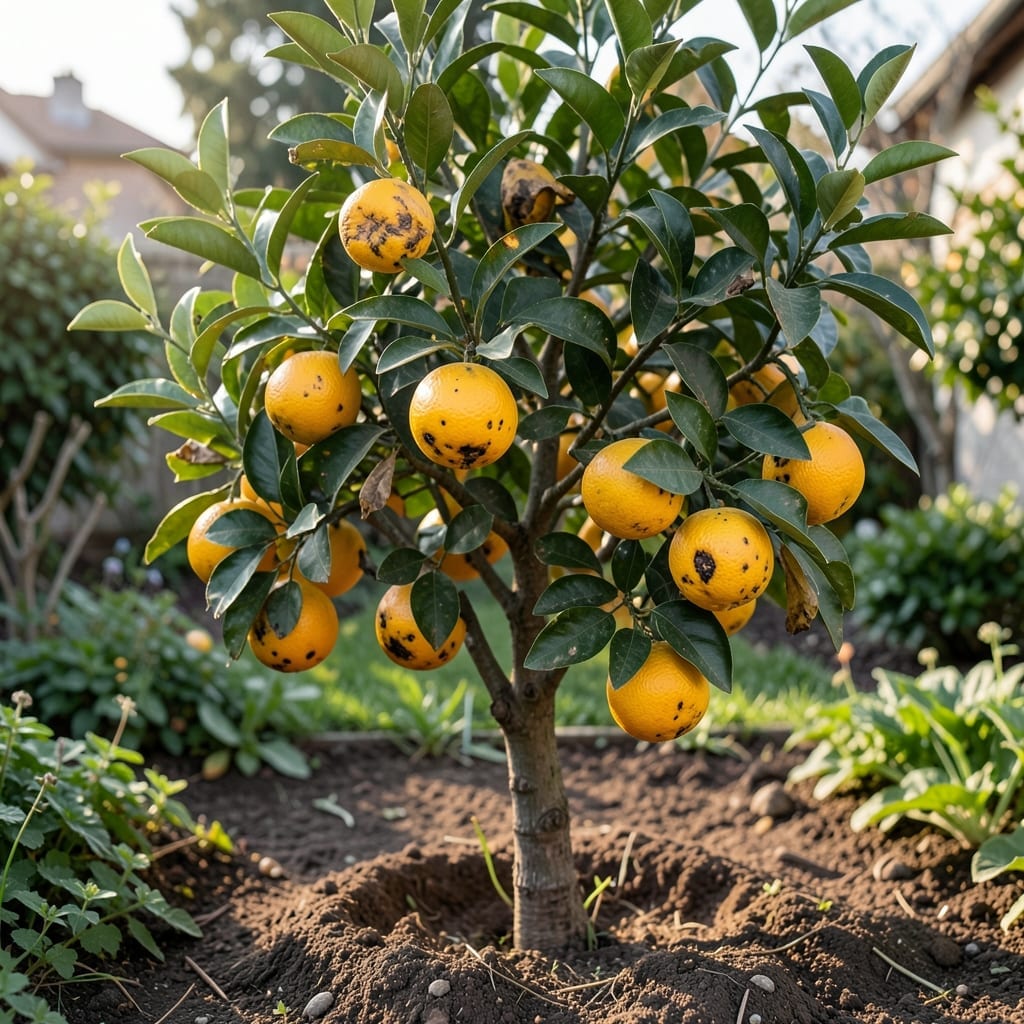
Nothing sours a gardener’s mood like watching orange tree leaves yellow and drop. I’ve lost count of how many times I’ve caught diseases early just by walking the grove with a sharp eye and a notebook.
Early signs often start small—a single leaf with odd spots or a branch oozing sap. Most problems stem from poor air circulation, wet foliage, or stressed trees begging for better care. Catching them at this stage means fixing the issue before it spreads.
Organic treatments work surprisingly well when applied at the first hint of trouble. Copper sprays, neem oil, and even baking soda solutions can turn the tide without harsh chemicals.
Healthy trees resist disease better, so consistent watering, proper pruning, and balanced soil go a long way in keeping your oranges thriving.
Understanding why orange tree diseases take hold is the first step in preventing them. Below are the primary causes, explained with scientific clarity so you can act fast.
Extreme temperatures, drought, or waterlogged soil weaken an orange tree’s immune system. Heat stress (above 100°F/38°C) disrupts photosynthesis, while cold snaps (below 28°F/-2°C) damage cells, creating entry points for pathogens like Phytophthora (root rot) or Xylella fastidiosa (citrus greening). Poor drainage also suffocates roots, reducing their ability to absorb nutrients.
Bacteria, fungi, and viruses thrive in warm, humid conditions. Citrus canker (Xanthomonas citri) spreads via wind-driven rain, while Alternaria (brown spot) proliferates in wet foliage. Infected tools, contaminated soil, or even aphids (vectors for Citrus tristeza virus) can introduce diseases. Sanitizing pruning tools with 10% bleach solution or rubbing alcohol cuts transmission risk.
Sap-sucking insects like Asian citrus psyllids or scale insects pierce tree tissues, leaving open wounds for pathogens. Psyllids, for example, inject Candidatus Liberibacter (HLB bacteria) directly into the phloem, causing huanglongbing (citrus greening). Regularly inspect leaves for curly, mottled patterns or sticky honeydew—early signs of pest activity.
Lack of nitrogen (yellowing leaves), zinc (small, narrow leaves), or magnesium (interveinal chlorosis) compromises a tree’s vigor. Weak trees are more susceptible to opportunistic infections like Melanose (a fungal disease thrivng in low-vigor trees). Conduct a soil test annually and amend with organic fertilizers (e.g., compost or fish emulsion) to maintain balance.
Tackling orange tree diseases early can save your harvest. Below are practical solutions for common issues, paired with prevention tips to keep your tree thriving. 🌿✨
For root rot or anthracnose, remove infected branches or leaves immediately with sterilized shears. Apply a copper fungicide or neem oil spray to the tree, focusing on affected areas. Improve drainage around the roots to prevent waterlogging.
Prevention: Avoid overhead watering. Mulch with organic matter to reduce soil-borne spores. 💡
Combat aphids, scale insects, or citrus leafminers by introducing beneficial insects like ladybugs or lacewings. For severe cases, spray with insecticidal soap or horticultural oil at dusk to avoid harming pollinators.
Prevention: Inspect leaves regularly and remove pests by hand. Plant companion herbs like basil or mint to repel invaders. 🎯
Yellowing leaves (chlorosis) often signal a lack of iron, zinc, or nitrogen. Test your soil and amend with chelated iron, compost, or a balanced citrus fertilizer. Foliar sprays can provide a quick nutrient boost.
Prevention: Feed your tree with a slow-release citrus fertilizer every 6–8 weeks during the growing season. ✨
If your tree suffers from sunscald or frost damage, shield it with shade cloth or frost blankets during extreme weather. Ensure consistent watering—drought stress weakens trees, making them susceptible to disease.
Prevention: Water deeply but infrequently, and mulch to retain moisture. Position young trees where they’re protected from harsh winds. 🌡️
Early action and consistent care are your best tools. Monitor your tree weekly for signs of trouble, and address issues before they spread!
Look for yellowing leaves, dark spots, or oozing sap on branches. Early symptoms often appear on a single leaf or small area before spreading.
Yes! Neem oil, baking soda sprays, or copper fungicides work well for many issues. Always test on a small area first and apply at dusk to avoid leaf burn.
Check your tree weekly during growing season. Focus on new growth and undersides of leaves where pests and diseases often start.
Recurring issues usually mean poor air circulation, wet foliage, or stressed trees. Improve drainage, prune for airflow, and maintain consistent watering.