
Beautiful Plants For Your Interior
Beautiful Plants For Your Interior
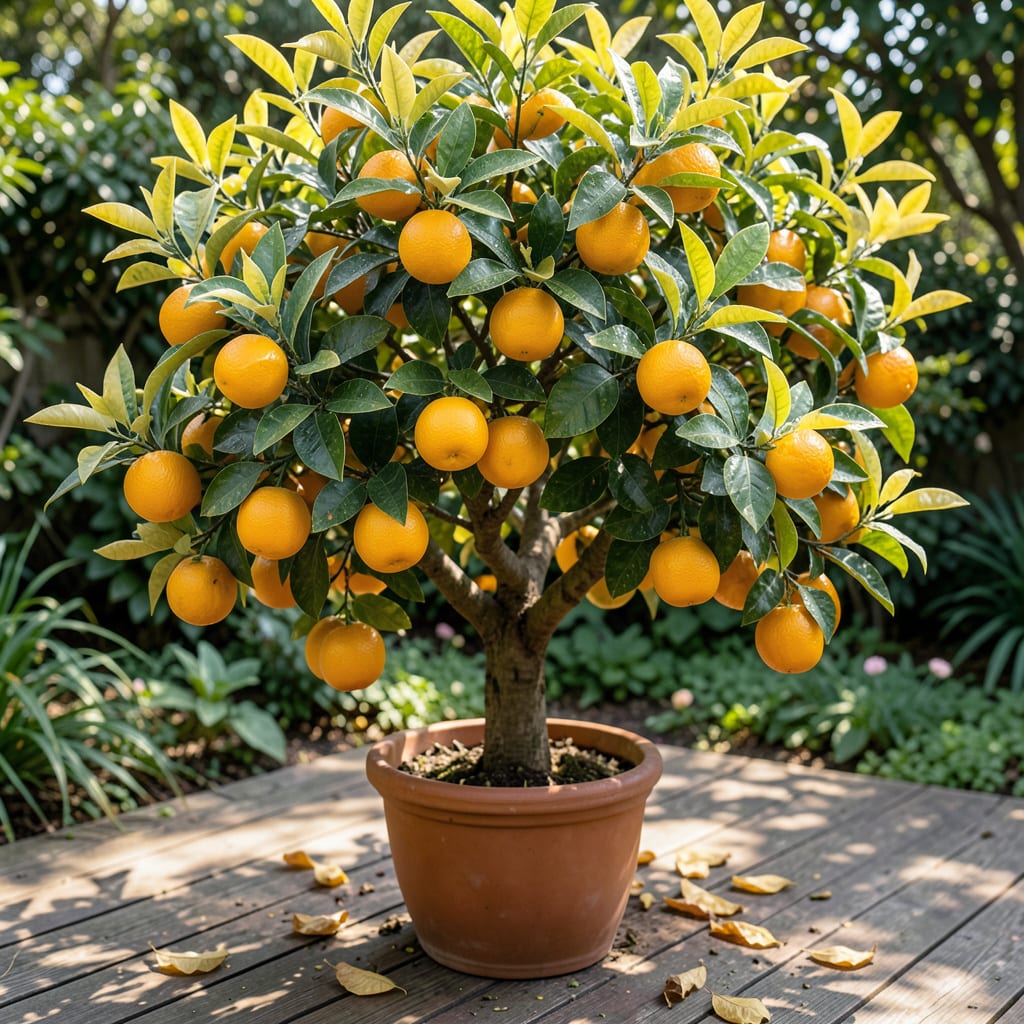
Watching your orange tree’s leaves fade from bright green to yellow is heartbreaking. I’ve been there, staring at my own sad citrus, wondering what I got wrong.
Yellow leaves often signal water stress—either too much or too little—or a nitrogen deficiency. But sometimes, it’s pests or disease lurking in the background.
Here’s the thing—fixing it starts with checking the soil moisture and inspecting the leaves closely. Most issues are reversible if caught early.
With the right adjustments, you’ll see new green growth returning within weeks. Let’s figure out what your tree is trying to tell you.
Orange tree leaves turn yellow due to several underlying issues, often tied to environmental stress, nutrient imbalances, or pests. Below are the most common causes, explained scientifically for clarity and actionable solutions.
Excess water suffocates roots, preventing oxygen uptake and leading to root rot. Fungi like Phytophthora thrive in soggy soil, damaging root systems. This disrupts nutrient transport, causing leaves to yellow (chlorosis) as chlorophyll production halts. Fix: Ensure pots have drainage holes and use well-draining soil. Water only when the top 1-2 inches of soil are dry.
Yellowing often signals a lack of nitrogen, iron, or magnesium. Nitrogen deficiency causes uniform yellowing in older leaves first, while iron deficiency (common in alkaline soils) leads to interveinal chlorosis (yellow leaves with green veins). Magnesium deficiency appears as yellow patches between veins. Fix: Test soil pH (ideal: 6.0–7.0) and amend with chelated iron or citrus-specific fertilizers.
Sap-sucking pests like aphids, spider mites, or scale insects drain nutrients from leaves, causing yellowing and curling. Mites, in particular, leave fine webbing under leaves. Fix: Spray with neem oil or insecticidal soap weekly until pests are gone. Introduce beneficial insects like ladybugs for prevention.
Sudden temperature drops, frost, or excessive heat can shock the tree, triggering leaf yellowing. Orange trees prefer 60–85°F (15–29°C). Cold drafts or hot, dry winds stress the plant, reducing photosynthesis. Fix: Move potted trees indoors during cold snaps or provide shade cloth in extreme heat.
Fungal diseases like citrus greening (HLB) or Alternaria brown spot disrupt nutrient flow. HLB, spread by psyllids, causes mottled yellow leaves and stunted growth. Fix: Remove infected branches and apply copper-based fungicides. For HLB, consult local agricultural extensions for treatment options.
Once you’ve identified the cause, these targeted fixes will help restore your orange tree’s vibrant green foliage. Act quickly to prevent further stress or yield loss.
Let the top 1–2 inches of soil dry out between waterings. Stop watering if the soil feels soggy, and ensure pots have drainage holes. For in-ground trees, amend heavy clay soil with compost to improve drainage. Prevention tip: 💡 Use a moisture meter to avoid guesswork—water only when readings drop below 30%.
For nitrogen deficiency (uniform yellowing), apply a balanced citrus fertilizer (like 10-10-10) every 4–6 weeks during growing season. For iron or magnesium (yellow with green veins), use chelated iron or Epsom salt (1 tbsp/gallon of water) as a foliar spray. Prevention tip: 🌱 Test soil annually and fertilize based on results, not just symptoms.
Blast off aphids, mites, or mealybugs with a strong water spray. For stubborn pests, apply insecticidal soap or neem oil (follow label rates). Repeat every 5–7 days until pests are gone. Prevention tip: ✨ Encourage beneficial insects like ladybugs by planting companion flowers (e.g., marigolds) nearby.
Move potted trees to 6–8 hours of sunlight daily. Shield leaves from harsh afternoon sun in extreme heat. If cold stress is the issue, cover young trees with frost cloth when temperatures drop below 30°F (-1°C). Prevention tip: 🌡️ Mulch with 2–3 inches of organic matter to regulate soil temperature and moisture.
Remove yellow or spotted leaves with sterilized pruners to prevent spread. Apply a copper fungicide for fungal infections (e.g., root rot). For bacterial diseases like citrus canker, prune affected branches and dispose of them far from the tree. Prevention tip: 🧼 Disinfect tools with rubbing alcohol between cuts to avoid cross-contamination.
Water when the top 1-2 inches of soil feel dry. Overwatering causes root rot, while drought stress also yellows leaves. In hot climates, this may mean watering 2-3 times weekly.
Severely yellow leaves won’t recover, but new growth will return green once you fix the issue. Focus on correcting watering, nutrients, or pest problems. Expect improvement in 2-4 weeks.
A citrus-specific fertilizer with nitrogen, iron, and magnesium works best. For iron deficiency (green veins), use chelated iron. Apply every 4-6 weeks during growing season.
Check undersides of leaves for tiny insects, webbing, or sticky residue. Common culprits include aphids and spider mites. Treat immediately with neem oil or insecticidal soap.
