
Beautiful Plants For Your Interior
Beautiful Plants For Your Interior
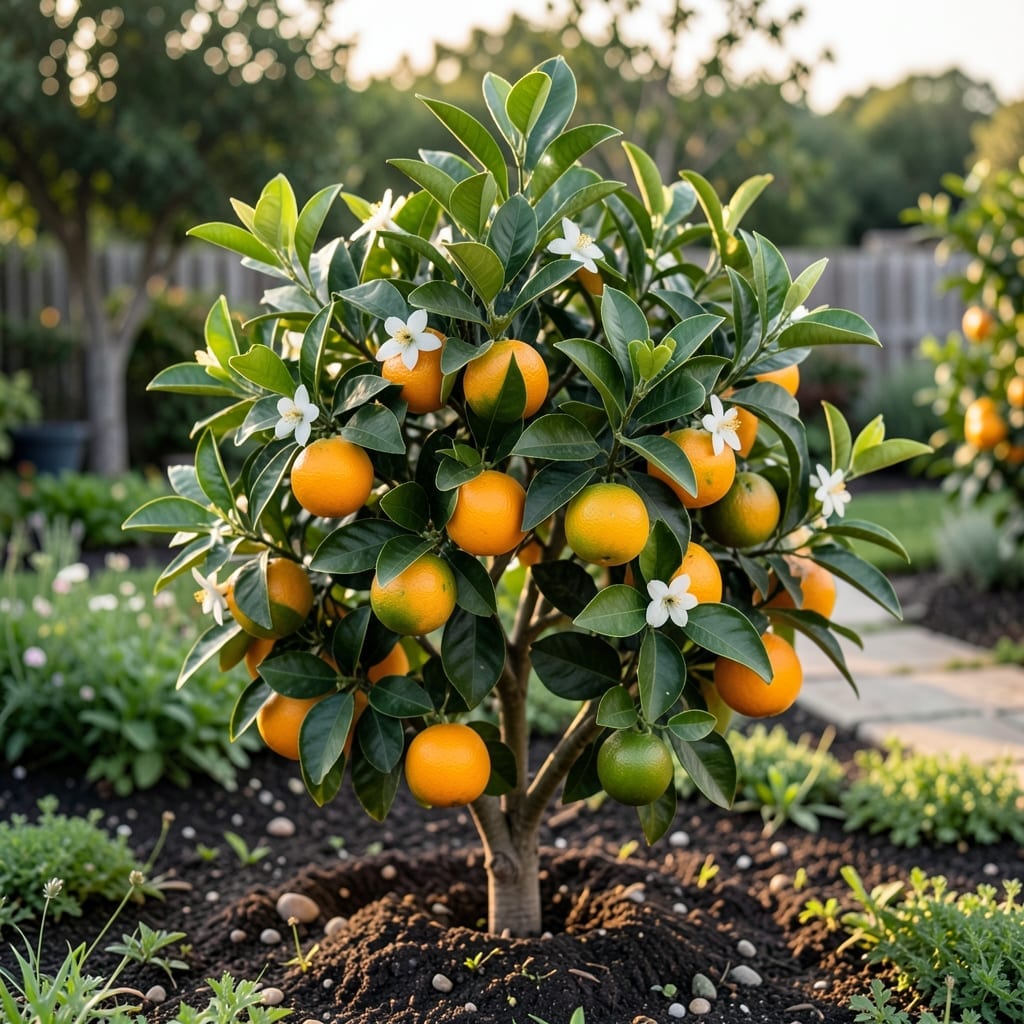
That first time I spotted an orange berry tree in the wild, I knew I’d found something special. The vibrant clusters against dark green leaves create an unforgettable sight, especially in late summer when the fruits ripen.
Identifying these trees is easier than you think once you know what to look for. The berries, leaves, and bark each tell part of the story, and the habitat often narrows it down to just a few possibilities.
Most orange berry trees thrive in full sun to partial shade and prefer well-draining soil. They’re hardy, low-maintenance, and often attract birds, adding life to any landscape.
Whether you’re a curious hiker or a gardener looking to add a striking focal point, recognizing this tree opens up a world of possibilities. Here’s how to spot it with confidence.
Identifying orange berry trees can be tricky due to several overlapping factors. Here’s why misidentification happens:
Many tree species produce orange or red berries, such as Pyracantha (firethorn), Cotoneaster, or even certain Holly varieties. Their berries share a comparable size, shape, and color, making visual distinction difficult without examining other features like leaf structure or bark texture.
Leaves on orange berry trees often change color or shape depending on the season. For example, Mountain Ash (Sorbus) may have compound leaves that resemble those of Rowan trees, leading to confusion. Always check for leaf arrangement (alternate vs. opposite) and margin details (serrated, smooth, or lobed).
Orange berry trees frequently grow in similar environments—woodland edges, hedgerows, or urban landscapes. Species like Hawthorn (Crataegus) and Barberry (Berberis) thrive in the same conditions, increasing the likelihood of mix-ups. Note the tree’s height, bark pattern, and thorn presence for clarity.
Focusing solely on berries while ignoring flowers, buds, or root systems leads to errors. For instance, Sea Buckthorn (Hippophae rhamnoides) has distinctive silvery foliage and thorny branches that set it apart, but these traits are often overlooked.
To avoid confusion, examine multiple features—berries, leaves, bark, and growth habit—before making a final identification.
Struggling to tell orange berry trees apart? These practical fixes will sharpen your skills and prevent future mix-ups.
Many orange berry trees resemble each other at first glance. Focus on distinct traits like leaf shape, berry size, and bark texture. For example, Arbutus unedo (strawberry tree) has peeling bark, while Hypericum calycinum (St. John’s Wort) has smooth, reddish stems. Tip: 💡 Compare side-by-side photos of suspected matches to spot differences.
If two species thrive in the same area, use geography to narrow it down. Orange berry trees like Rhamnus crocea (spiny redberry) grow in dry chaparrals, whereas Morella rubra (Chinese bayberry) prefers subtropical climates. Prevention: ✨ Research native species in your region before heading out.
Berries may only appear in certain seasons, making ID tricky. Note flowering time, berry ripeness, and leaf retention (evergreen vs. deciduous). For instance, Pyracantha (firethorn) berries last through winter, while Lonicera ciliosa (orange honeysuckle) berries drop by fall. Tip: 📅 Visit the tree multiple times a year to track changes.
Unsure where to start? Try apps like iNaturalist, PlantNet, or Seek. Upload photos of leaves, bark, and berries for AI-assisted suggestions. Prevention: 🎯 Cross-check with a field guide or expert to confirm results.
Look for Pyracantha, Mountain Ash, or Sea Buckthorn. Each has distinct traits like thorny branches or silvery leaves that help tell them apart.
Late summer to fall is ideal, when berries are ripe and leaves are fully developed. Avoid winter for deciduous types, as bare branches make ID harder.
No, berries alone aren’t enough. Always check leaf shape, bark texture, and growth habit for accurate identification.
Not always. Some, like those on Bittersweet Nightshade, are toxic. Never eat berries unless you’re certain they’re safe.