
Beautiful Plants For Your Interior
Beautiful Plants For Your Interior
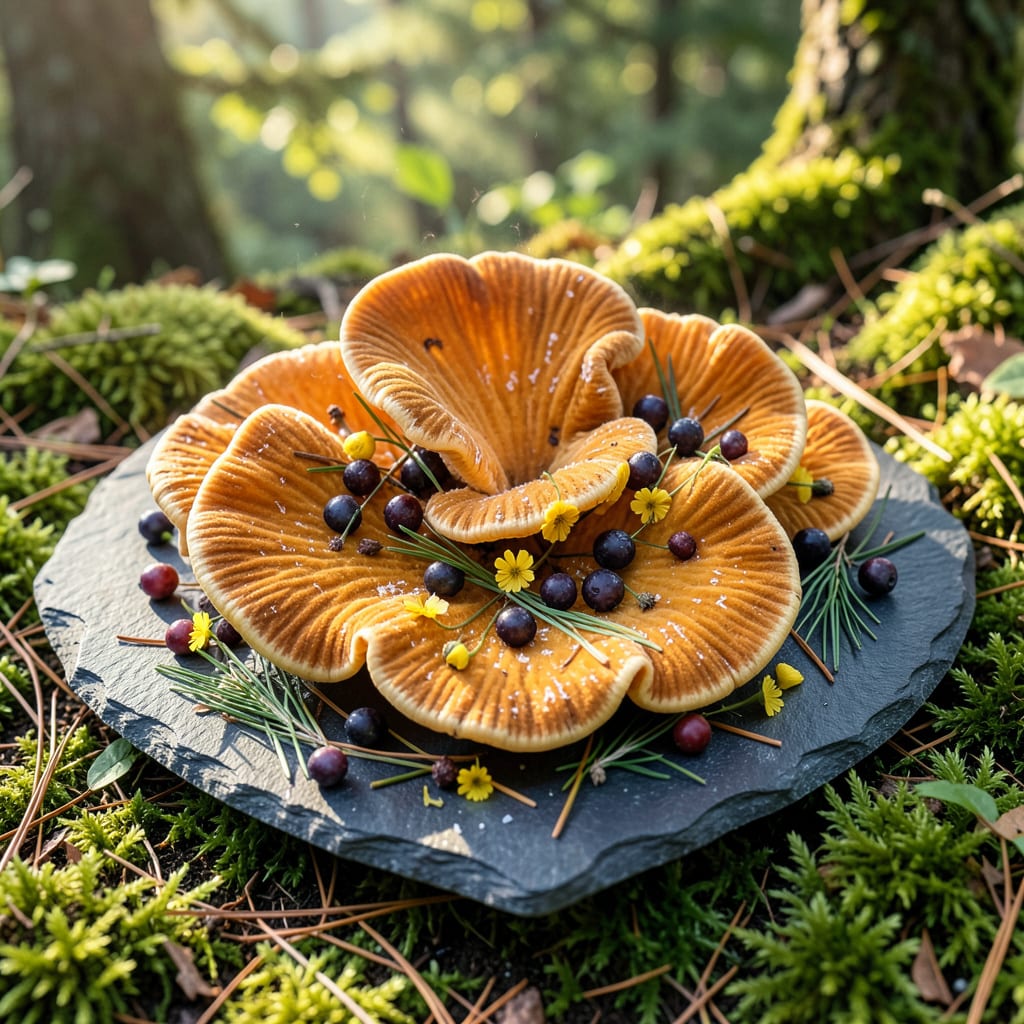
That bright orange growth on your tree isn’t just ugly—it’s a warning sign. I spotted my first patch last summer and learned the hard way that ignoring it only makes things worse.
This fungus spreads fast in wet conditions, attacking bark and weakening trees over time. Oak, maple, and pine are especially vulnerable, but I’ve seen it on fruit trees too. The good news? Early action can save your tree.
Removal starts with pruning infected branches 2-3 inches below the fungus. Disinfect your tools between cuts to stop the spread. A simple copper fungicide spray helps prevent regrowth.
Prevention is easier than treatment. Improve airflow around your trees and clear fallen leaves where spores can hide. Watch for new orange spots weekly during damp seasons.
The appearance of orange colored tree fungus is often a sign of underlying environmental or biological stress. Understanding the root causes can help you prevent its spread and protect your trees. Below are the most common triggers for this vivid fungal growth.
Fungi thrive in damp conditions, and prolonged exposure to moisture is a primary cause of orange fungal growth on trees. Heavy rainfall, poor drainage, or overwatering can create the perfect breeding ground. Trees in low-lying areas or those with dense canopies that trap moisture are especially susceptible. To mitigate this, ensure proper drainage around the tree base and prune branches to improve airflow.
Decaying leaves, fallen branches, and other organic matter provide nutrients that fungi feed on. When these materials accumulate at the base of a tree or in its crevices, they encourage fungal spores to germinate. Regularly clear debris from around your trees, and dispose of it properly to reduce the risk of infection.
Physical damage to a tree—such as cuts, cracks, or broken branches—creates entry points for fungal spores. Weak or stressed trees, whether due to disease, pests, or environmental factors like drought, are also more vulnerable. Inspect your trees for wounds and treat them promptly with a fungicide or tree sealant to prevent fungal colonization.
Orange fungi often proliferate in warm, humid climates. Sudden temperature shifts or consistently high humidity levels can accelerate fungal growth. While you can’t control the weather, you can monitor your trees during seasons of high humidity and take preventive measures, such as applying fungicidal treatments before the rainy season.
If you’ve spotted orange-colored fungus on your trees, don’t panic. With the right approach, you can address the issue and protect your landscape. Below are practical solutions for common causes, along with prevention tips to keep your trees healthy.
Fungus thrives in damp conditions. If overwatering or poor drainage is the culprit:
💡 Prevention tip: Water trees at the base in the early morning to allow excess moisture to evaporate during the day.
Fungus often enters through wounds or dead wood. To stop its spread:
💡 Prevention tip: Regularly inspect trees for wounds or cracks, and seal them with tree wound pruning sealant.
Fallen leaves and decaying organic matter can harbor fungal spores. Keep the area clean:
💡 Prevention tip: Replace organic mulch with gravel in high-risk areas to reduce fungal growth.
Taking quick action and maintaining good tree hygiene can save your trees from further damage. Stay vigilant, and your green space will thrive! 🌿
Yes, it can weaken trees over time by decaying wood and blocking nutrient flow. On oaks and pines, it often spreads faster than on hardwoods. Act quickly to prevent long-term damage.
Scraping alone won’t work—the fungus grows beneath the bark. You must prune 6 inches below the visible growth and disinfect tools between cuts to stop spores from spreading.
Treat during dry weather, ideally in early spring or fall. Avoid rainy periods when spores spread easily. Copper fungicide works best when applied in 2 applications, 7-10 days apart.
