
Beautiful Plants For Your Interior
Beautiful Plants For Your Interior
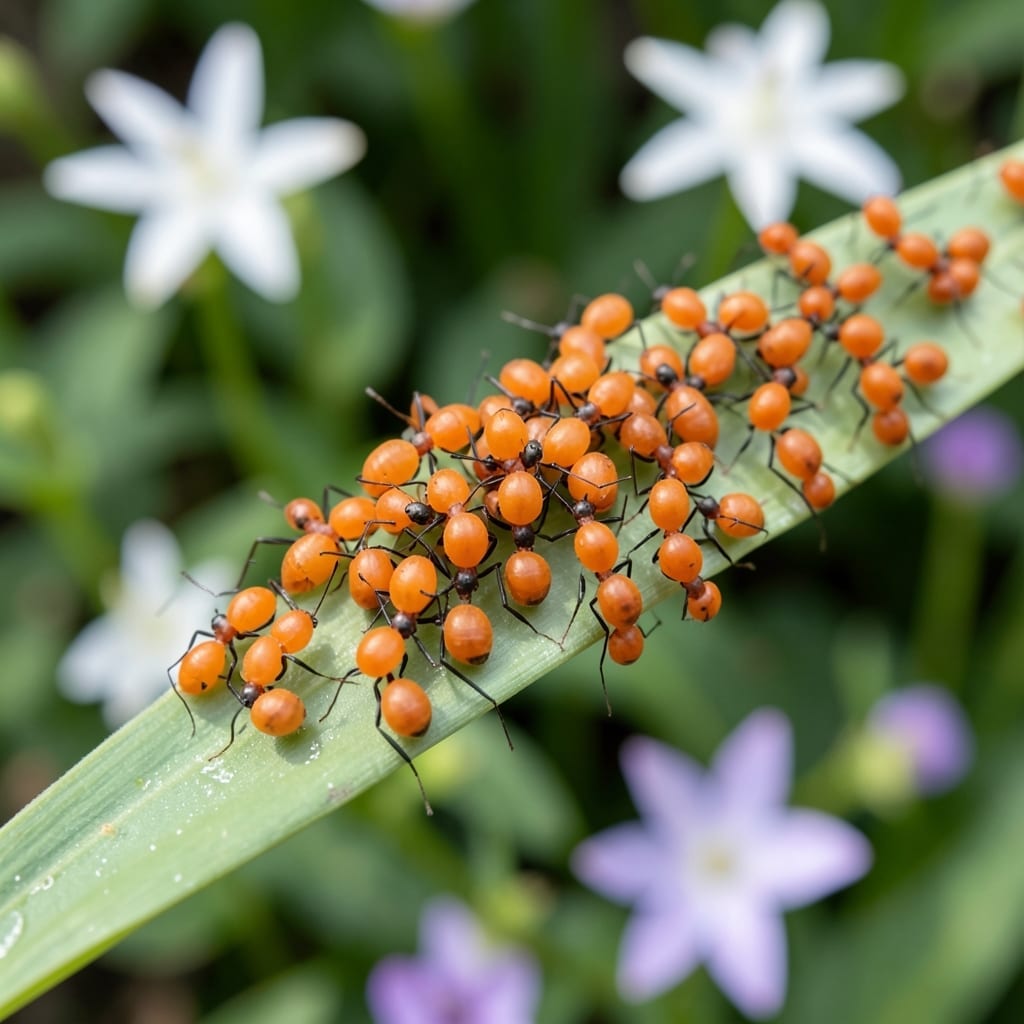
Orange aphids hit my swan plant like a freight train last summer. Tiny but relentless, they clustered on new growth and buds, turning my healthy plants into sticky, stunted messes overnight.
Here’s the thing—these pests thrive on stressed plants. Overwatering, poor soil, or too much shade invites them in. I learned the hard way that vigilance is key: check undersides of leaves weekly, especially during warm spells.
You can fight back without chemicals. A strong blast of water dislodges them, while ladybugs and lacewings devour them naturally. For stubborn cases, insecticidal soap works wonders without harming your plant.
Consistency wins this battle. Keep plants healthy and aphids won’t stand a chance. My swan plants now bloom stronger every season because I caught the problem early.
Orange aphids thriving on your swan plant (Gomphocarpus physocarpus) aren’t just a random nuisance—they’re a sign of specific environmental and biological conditions. Here’s why these pests show up and multiply on your plants:
Aphids, including the bright orange Aphis nerii, are drawn to plants with high nitrogen levels. Swan plants heavily fertilized with nitrogen-rich products produce soft, succulent new growth—aphids’ favorite food. This tender foliage lacks the tougher cell walls that deter feeding, making your plant a buffet for these pests.
Overwatering or poorly drained soil creates a humid environment that aphids adore. Swan plants in soggy conditions stress and weaken, emitting chemical signals that attract aphids. Additionally, dense, wet foliage provides the perfect sheltered breeding ground for colonies to explode in numbers.
Orange aphids reproduce rapidly in temperatures between 60–80°F (15–27°C). Swan plants grown in mild, stable climates—especially during spring and early summer—offer ideal conditions for aphid population booms. These pests can produce multiple generations in a single season under such favorable weather.
In ecosystems lacking beneficial insects like ladybugs, lacewings, or parasitic wasps, aphid populations face no natural control. Swan plants isolated from biodiverse gardens or treated with broad-spectrum pesticides often lose these predators, allowing orange aphids to multiply unchecked.
Swan plants weakened by improper lighting, nutrient deficiencies, or root bound conditions emit stress volatiles that actively attract aphids. Like a distress signal, these chemicals draw aphids in search of an easy, undefended host to colonize.
Orange aphids on your swan plant can be frustrating, but these targeted solutions will help you reclaim your plant’s health. Below are practical fixes paired with prevention tips to keep aphids at bay.
A strong jet of water from a hose can dislodge aphids from the plant. Do this early in the day so the leaves dry quickly. Prevention tip: Repeat every few days to break their life cycle and discourage new infestations.
Ladybugs, lacewings, and parasitic wasps are aphids’ natural enemies. Release them in your garden or encourage their presence by planting pollinator-friendly flowers nearby. Prevention tip: Avoid broad-spectrum pesticides, which can harm these beneficial insects.
Spray a mild insecticidal soap or neem oil solution directly onto the aphids, focusing on the undersides of leaves. Follow the product instructions for dilution and frequency. Prevention tip: Apply in the evening to avoid harming bees and other pollinators active during the day.
If a few stems or leaves are covered in aphids, prune them off and dispose of them in a sealed bag to prevent spread. Prevention tip: Sterilize your pruning tools with rubbing alcohol between cuts to avoid contaminating healthy parts of the plant.
Regularly inspect your swan plant for early signs of aphids, especially the undersides of leaves and new growth. Catching them early makes treatment easier. Prevention tip: Keep your garden clean by removing plant debris, which can harbor pests over winter.
Combine these methods for the best results, and your swan plant will thrive aphid-free! 🌱
New growth is tender and rich in nutrients, making it their preferred feeding spot. These areas lack tougher cell walls, so aphids can easily pierce and suck out plant sap. Check these spots first during inspections.
Yes, but dilute 1 teaspoon of mild dish soap in 1 quart of water. Avoid soaps with degreasers or strong fragrances, as they can harm your plant. Rinse after 15-20 minutes.
They might if eggs or hidden aphids remain. Repeat treatments every 5-7 days for 2-3 weeks to break their life cycle. Consistent monitoring is key to long-term control.