
Beautiful Plants For Your Interior
Beautiful Plants For Your Interior
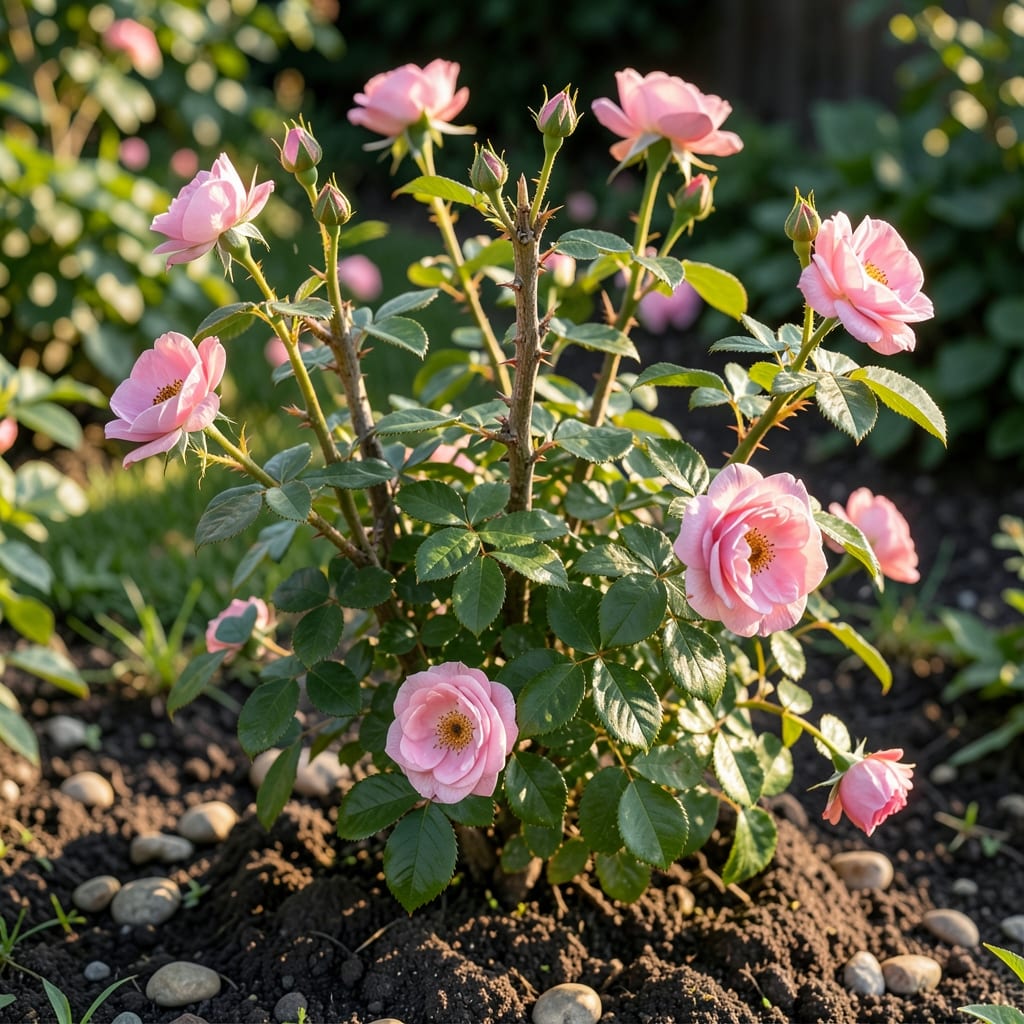
New rose leaves mean your plant is gearing up for its best blooms yet. I’ve learned the hard way that healthy foliage is the first line of defense against black spot and powdery mildew.
Keep an eye on early signs of trouble—spots, discoloration, or a white powdery coating. A little care now saves you a season of frustration later. Here’s how to give them the right start.
📚 In This Guide
Here’s the method I use every season to keep rose foliage healthy and disease-free.
Position your roses where they receive at least 6-8 hours of direct sunlight daily. Morning sun is particularly valuable because it dries dew quickly, which is critical for preventing fungal spores from taking hold on new leaves.
If your roses are in partial shade, prune nearby plants to improve air circulation. I’ve found that even an extra hour of morning light makes a noticeable difference in leaf health. Watch for leaves that stay wet past 10 AM—that’s your signal to adjust positioning or improve airflow.
Always water at the base of the plant, never from above. Overhead watering wets the leaves, creating the perfect environment for black spot and powdery mildew to develop. Use a soaker hose or drip irrigation for the most consistent results.
Water in the early morning so any accidental leaf moisture has time to evaporate during the day. The soil should feel dry to the touch at 1 inch depth between waterings. Overwatering creates the damp conditions these diseases love, so when in doubt, wait another day.
Space your rose plants at least 3-4 feet apart to allow air to move freely between them. This reduces the humidity that fungal spores need to germinate on new growth. I always thin out crowded stems in the center of my bushes for better airflow.
Prune any branches that cross or rub against each other. These create wounds where diseases can enter. After pruning, remove all debris from around the plant—fallen leaves and stems can harbor spores that will reinfect your roses.
Inspect your roses weekly for the first signs of trouble: black spots with yellow halos or white powdery coating on new leaves. Catch these early and you can prevent them from spreading to the entire plant.
Remove any affected leaves immediately using clean pruners. I dip my pruners in rubbing alcohol between cuts to prevent spreading the disease. Don’t compost diseased leaves—put them in the trash to keep spores away from your garden.
Start with a simple preventative spray of 1 tablespoon baking soda mixed with 1 gallon of water and a few drops of dish soap. Apply this every 7-10 days or after rain, coating both sides of the leaves thoroughly.
For more serious protection, use a fungicide labeled for black spot and powdery mildew, following package directions exactly. I’ve had good results alternating between different types of fungicides to prevent resistance. Always apply in the evening to avoid burning the leaves in hot sun.
Small adjustments can make a big difference in keeping your roses healthy.
The Sunlight Test: In Step 1, if you notice leaves staying wet past 10 AM, adjust positioning immediately. Morning sun is non-negotiable—it dries dew before spores can set in. I’ve seen the difference one extra hour of light makes.
Watering Discipline: For Step 2, stick to the 1-inch soil check between waterings. Overwatering is the fastest way to invite disease. A soaker hose on a timer removes the guesswork and keeps foliage dry.
Airflow Strategy: In Step 3, spacing plants 3-4 feet apart isn’t just a suggestion—it’s insurance against humidity buildup. Thin the center of bushes first; that’s where air stagnates most.
Preventative Timing: For Step 5, apply that baking soda spray every 7-10 days without fail. Skipping even one cycle gives spores a foothold. Evening applications prevent leaf burn from the sun.
Yellowing new rose leaves often signal nutrient deficiencies (like nitrogen or iron) or overwatering. Check soil moisture and fertilize with a balanced rose food. If the issue persists, test soil pH—roses prefer slightly acidic (6.0-6.5).
Preventative treatment every 7-10 days with fungicide (like neem oil or copper) works best, especially in humid conditions. Start early in spring when new leaves emerge to stop spores before they spread.
Yes! Mix 1 tsp baking soda, 1 quart water, and a drop of dish soap. Spray lightly on new leaves weekly as a mild, natural remedy. Avoid harsh sun after application to prevent leaf burn.
Water at the base early in the morning so foliage dries quickly. Wet leaves overnight encourage fungal growth. Drip irrigation or soaker hoses reduce moisture on new leaves, lowering disease risk.