
Beautiful Plants For Your Interior
Beautiful Plants For Your Interior
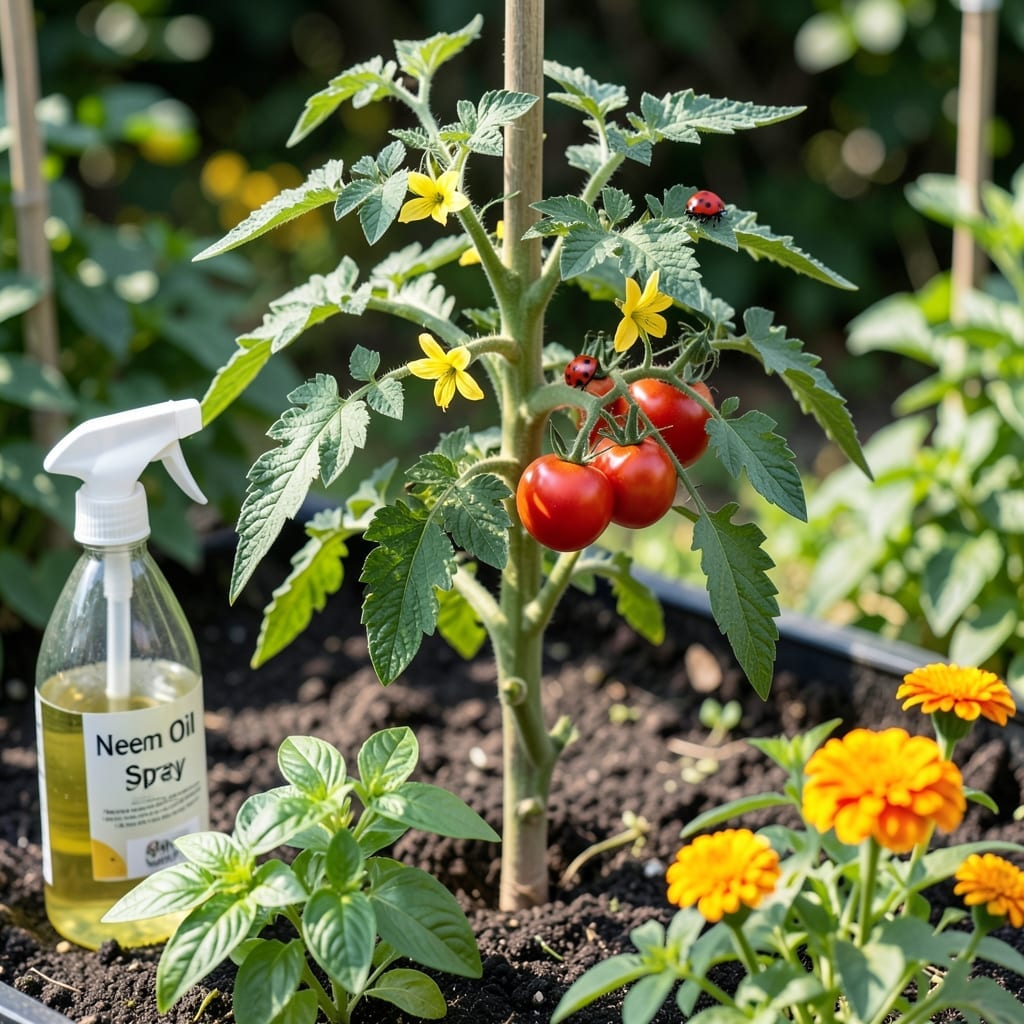
Tomato pests don’t have to mean lost harvests. I’ve saved countless plants using simple, chemical-free methods that work with nature, not against it.
The key is combining companion plants that repel pests with DIY sprays made from everyday ingredients. Basil and marigolds keep aphids away, while garlic spray handles whiteflies without harsh chemicals.
You’ll notice healthier plants within a week—fewer chewed leaves, stronger stems, and fruit that actually makes it to ripening. No fancy equipment, just smart gardening.
Works for container gardens, raised beds, or full backyard plots. Here’s how to start protecting your tomatoes today.
Tomato plants often fall victim to pests due to several ecological and environmental factors. Understanding these root causes can help you implement natural pest control more effectively. Below are the primary reasons why pests thrive on tomato plants.
Unbalanced soil lacks the nutrients and beneficial microbes needed to support strong plant growth. Weak, malnourished tomato plants are more susceptible to attacks from aphids, whiteflies, and other sap-sucking insects. Low organic matter and compacted soil also reduce root vitality, making it harder for plants to fend off invaders naturally.
Inconsistent watering creates stress for tomato plants, weakening their natural defenses. Overwatering leads to root rot and fungal growth, attracting pests like nematodes and slugs. Conversely, underwatering causes drought stress, which makes plants emit distress signals that draw in spider mites and thrips.
Monoculture gardens (growing only tomatoes) eliminate natural predators that keep pest populations in check. Without companion plants like basil, marigolds, or nasturtiums, beneficial insects such as ladybugs and lacewings won’t be attracted to your garden. This allows harmful pests to multiply unchecked.
Extreme temperatures, high humidity, or sudden weather changes can stress tomato plants, lowering their resistance. Heat stress weakens cell walls, making it easier for pests like hornworms to chew through leaves. Meanwhile, high humidity encourages fungal diseases, which often go hand-in-hand with pest infestations.
Tackling pests on your tomato plants naturally is simpler than you think. Below are targeted fixes for common issues, paired with prevention tips to keep your garden thriving without harsh chemicals.
Mix 1 tablespoon of mild liquid soap (like Castile) with 1 quart of water and spray directly on aphids. The soap disrupts their cell membranes, causing them to dehydrate. Prevention tip: Plant marigolds or nasturtiums nearby—they repel aphids naturally. 💡
Dilute 1 tablespoon of neem oil in 1 gallon of water and add a few drops of dish soap as an emulsifier. Spray the undersides of leaves, where mites hide. Prevention tip: Keep plants well-watered—mites thrive in dry conditions. 🌡️
Bury a shallow container (like a yogurt cup) filled with beer near your plants. Slugs and snails are attracted to the yeast, fall in, and drown. Prevention tip: Water in the morning so soil dries by evening, when these pests are most active. ⏰
Check plants daily and remove hornworms by hand. Drop them into soapy water to eliminate them. Prevention tip: Encourage natural predators like ladybugs and parasitic wasps by planting dill or basil. 🎯
Hang yellow sticky traps near tomato plants to catch adult whiteflies. For a DIY approach, coat cardboard with petroleum jelly. Prevention tip: Avoid over-fertilizing with nitrogen—it attracts whiteflies. ✨
Pro tip: Always test sprays on a small section of the plant first to avoid damaging leaves. Consistency is key—reapply natural remedies every 5–7 days or after rain.
Reapply natural sprays every 5-7 days or after rain. Consistency is key since these solutions break down quickly. Always test on a small area first to avoid leaf damage.
Basil, marigolds, and nasturtiums are top choices. Basil repels whiteflies, marigolds deter nematodes, and nasturtiums trap aphids. Plant them near tomatoes for natural protection.
Yes! Soap sprays, neem oil, and companion planting are all organic-approved. They target pests without harming beneficial insects or soil health.
Pests return if the underlying issue isn’t fixed. Check for poor soil, overwatering, or lack of biodiversity. Address these root causes for long-term control.