
Beautiful Plants For Your Interior
Beautiful Plants For Your Interior
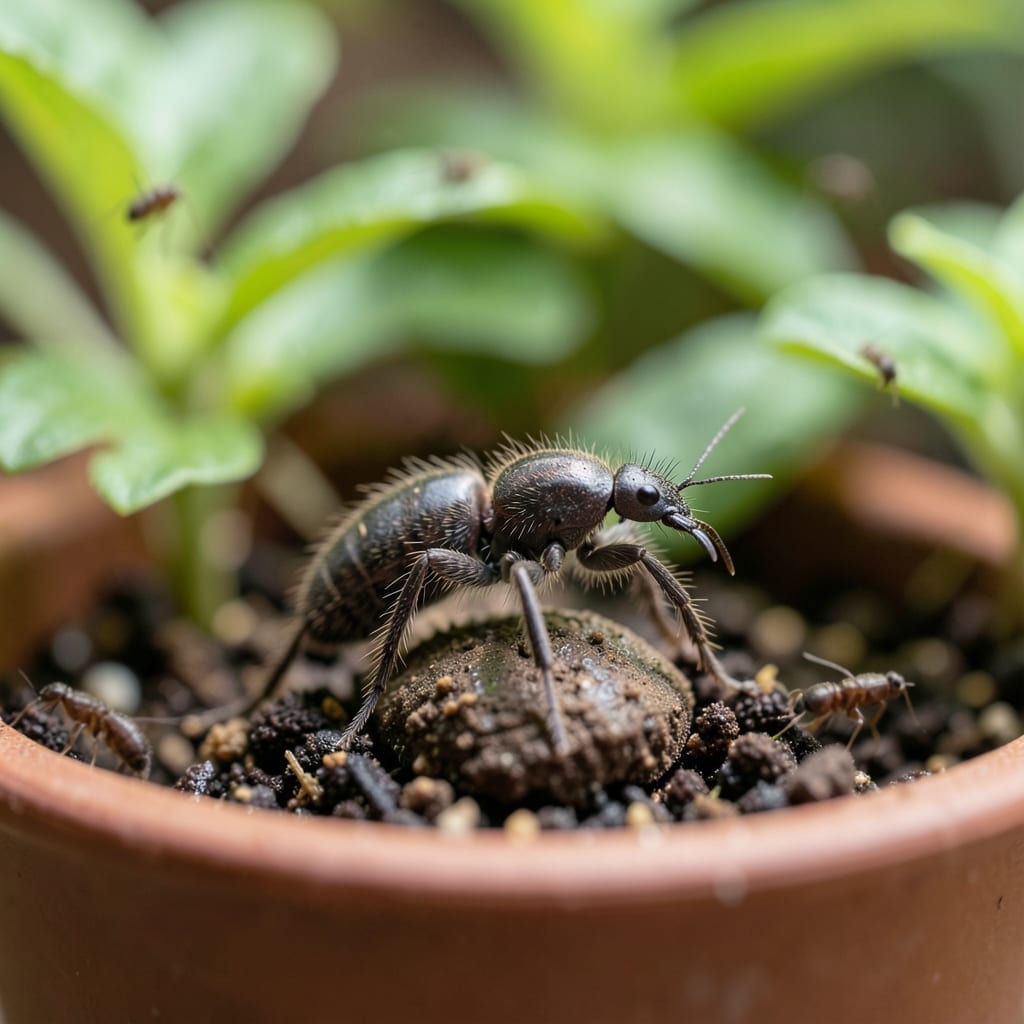
Tiny black flies swarming your soil mean trouble. I lost three seedlings to fungus gnats before discovering this foolproof trap that stops the cycle dead in its tracks.
These pests thrive in moist soil, laying eggs that hatch into root-eating larvae. The solution isn’t pesticides—it’s breaking their life cycle with materials you already have at home.
You’ll see results within 24-48 hours as the adult population plummets. Plants recover fast once the larvae stop feeding on their roots.
Works for houseplants, seed starts, and outdoor containers alike. Here’s how to build it.
Fungus gnats thrive in specific conditions, and understanding these triggers can help you prevent infestations before they start. Here’s why they appear in your plants:
Excess moisture in potting soil creates the perfect breeding ground for fungus gnats. These pests lay their eggs in damp, organic-rich soil, where larvae feed on decomposing matter and fungal growth. Overwatering not only suffocates roots but also signals an open invitation to gnats. Actionable fix: Let the top 1-2 inches of soil dry out between waterings.
Fungus gnats are attracted to rotting plant debris, such as fallen leaves or uneaten compost. As organic material breaks down, it releases odors that draw adult gnats and provides food for their larvae. Actionable fix: Remove dead foliage and avoid leaving organic mulches (like wood chips) too thick on the soil surface.
Pots without drainage holes or those using dense, compacted soil retain water longer, fostering the moist environment gnats love. Stagnant water at the bottom of containers accelerates fungal growth, which larvae consume. Actionable fix: Use well-draining soil mixes (e.g., with perlite or sand) and ensure containers have drainage holes.
While organic fertilizers (like fish emulsion or worm castings) boost plant health, they can also feed fungus gnat larvae if not fully incorporated into the soil. Unabsorbed nutrients encourage microbial activity, which attracts gnats. Actionable fix: Apply fertilizers sparingly and mix them thoroughly into the soil to avoid surface buildup.
Fungus gnats can be a persistent nuisance, but tackling them naturally is simpler than you think. Below are actionable fixes for common causes, paired with prevention tips to keep your plants gnat-free long-term.
Fungus gnats thrive in damp soil. Stop watering immediately and let the top 1-2 inches of soil dry out completely. Use a moisture meter or your finger to test. For severe cases, repot the plant in fresh, dry soil. Prevention tip: 💡 Adopt a watering schedule based on your plant’s needs—most houseplants prefer soil to dry slightly between waterings.
Rotting leaves or old mulch attract gnats. Clear away any decaying plant debris from the soil surface and pot saucers. Replace the top layer of soil with fresh, sterile potting mix. Prevention tip: ✨ Regularly clean up fallen leaves and avoid over-fertilizing, which can create excess organic buildup.
Compacted or poorly draining soil traps moisture, creating a gnat paradise. Loosen the soil gently with a fork and add perlite or coarse sand to improve drainage. Ensure pots have drainage holes. Prevention tip: 🎯 Use well-draining potting mixes from the start, and avoid saucers that retain standing water.
Gnats breed in stagnant water. Empty saucers under pots after watering and avoid leaving plants in trays of water. For hydroponic setups, cover water reservoirs with mesh to block access. Prevention tip: 🌡️ Water plants in the morning so excess moisture evaporates during the day.
Combine these fixes with natural traps (like apple cider vinegar or hydrogen peroxide solutions) for a one-two punch against fungus gnats. Consistency is key—stick with these habits, and your plants will thank you!
Adult gnats should decrease within 24-48 hours of setting traps. For complete elimination, continue treatment for 7-10 days to break the life cycle.
Yes! Natural solutions like apple cider vinegar or hydrogen peroxide won’t harm plants when used correctly. Always dilute properly and avoid direct contact with foliage.
Check for hidden moisture sources or untreated soil. Replace the top 1-2 inches of soil and ensure proper drainage. Persistence is key!