
Beautiful Plants For Your Interior
Beautiful Plants For Your Interior
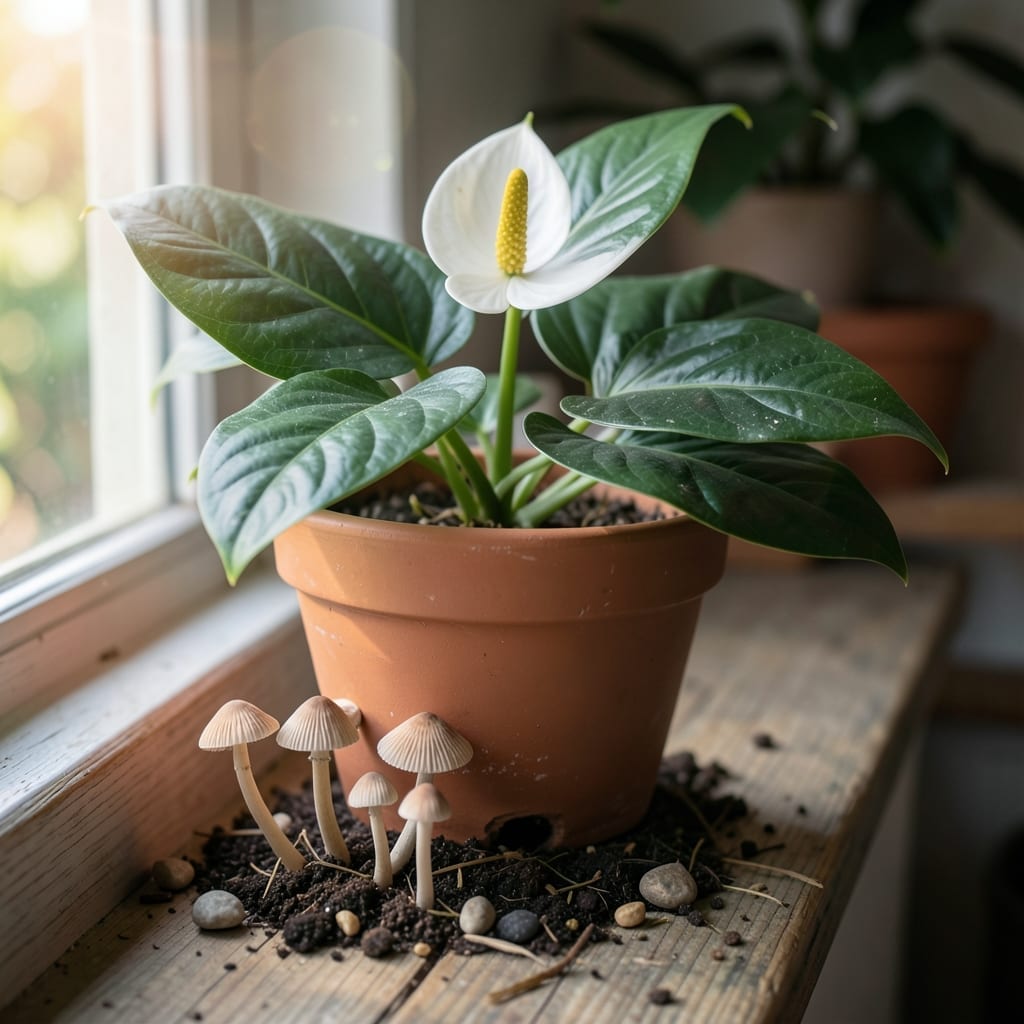
Spotted mushrooms in your potted plant? I’ve been there—first time it happened, I panicked. Turns out, it’s more common than you think and usually harmless.
They appear when soil stays too damp or lacks airflow. Overwatering is the usual culprit, a lesson I learned the hard way. These fungi feed on decaying organic matter, not your plant’s roots.
Removal is simple: pluck them out, adjust watering, and improve drainage. A finger-test for soil moisture before watering works wonders—we swear by it.
Prevent future growth by letting the top inch of soil dry out between waterings. Your plant will thank you, and the mushrooms will stay gone.
Mushrooms sprouting in your potted plant are usually a sign of fungal activity, triggered by specific environmental conditions. Below are the most common causes, explained scientifically for clarity and actionability.
Overwatering or poor drainage creates a damp, oxygen-poor environment—ideal for fungal spores to germinate. Potting soil that stays soggy for days encourages Saprophytic fungi (like Mycena or Leucocoprinus) to break down organic matter, producing visible mushrooms.
Uncomposted organic material (e.g., wood chips, dead leaves, or old roots) provides a nutrient-rich food source for fungi. As these materials decompose, they release spores that develop into mushrooms when moisture and warmth are present.
Fungi thrive in temperatures between 70–90°F (21–32°C) with high humidity. Indoor potted plants near kitchens, bathrooms, or poorly ventilated areas often meet these conditions, accelerating fungal growth.
Commercial or homemade potting soil may contain dormant fungal spores. If the mix wasn’t sterilized (heated to kill spores) or stored improperly, spores can activate once introduced to a moist, warm potted environment.
Mushrooms in your potted plants are unsightly, but they’re usually harmless. Here’s how to tackle the most common causes and keep them from coming back.
If overwatering is the culprit, let the soil dry out between waterings. Repot the plant in fresh, well-draining soil and ensure the pot has drainage holes. Add perlite or coarse sand to improve aeration. Prevention tip: 💡 Use a moisture meter to avoid overwatering—most houseplants prefer slightly dry soil over soggy conditions.
Old leaves, wood chips, or uncomposted material can fuel mushroom growth. Gently remove any visible mushrooms and decaying debris from the soil surface. Replace the top layer of soil with fresh, sterile potting mix. Prevention tip: ✨ Avoid using garden soil or homemade compost that may contain spores.
Stagnant air traps moisture and encourages fungi. Move your plant to a spot with better airflow, like near an open window or a fan (on low). Space out potted plants to allow air to circulate freely. Prevention tip: 🌡️ Grouping plants too closely can create a humid microclimate—keep them spread out.
If mushrooms keep returning, the soil may be teeming with spores. Sterilize the soil by baking it in the oven at 200°F (93°C) for 30 minutes, or use a commercial sterilizing product. For a quick fix, replace the top 1-2 inches of soil with a fresh, sterile mix. Prevention tip: 🎯 Always use high-quality, sterile potting soil for new plants.
No, they’re usually harmless. They feed on decaying matter, not living roots. However, they signal overly moist conditions that could harm your plant long-term.
Let the top 1-2 inches of soil dry between waterings. Use well-draining soil and ensure pots have drainage holes.
Only if the soil stays soggy or mushrooms persist. Otherwise, just remove visible fungi and adjust watering habits.
Not necessary for small outbreaks. Focus on improving drainage and reducing moisture first. Fungicides are overkill here.