
Beautiful Plants For Your Interior
Beautiful Plants For Your Interior
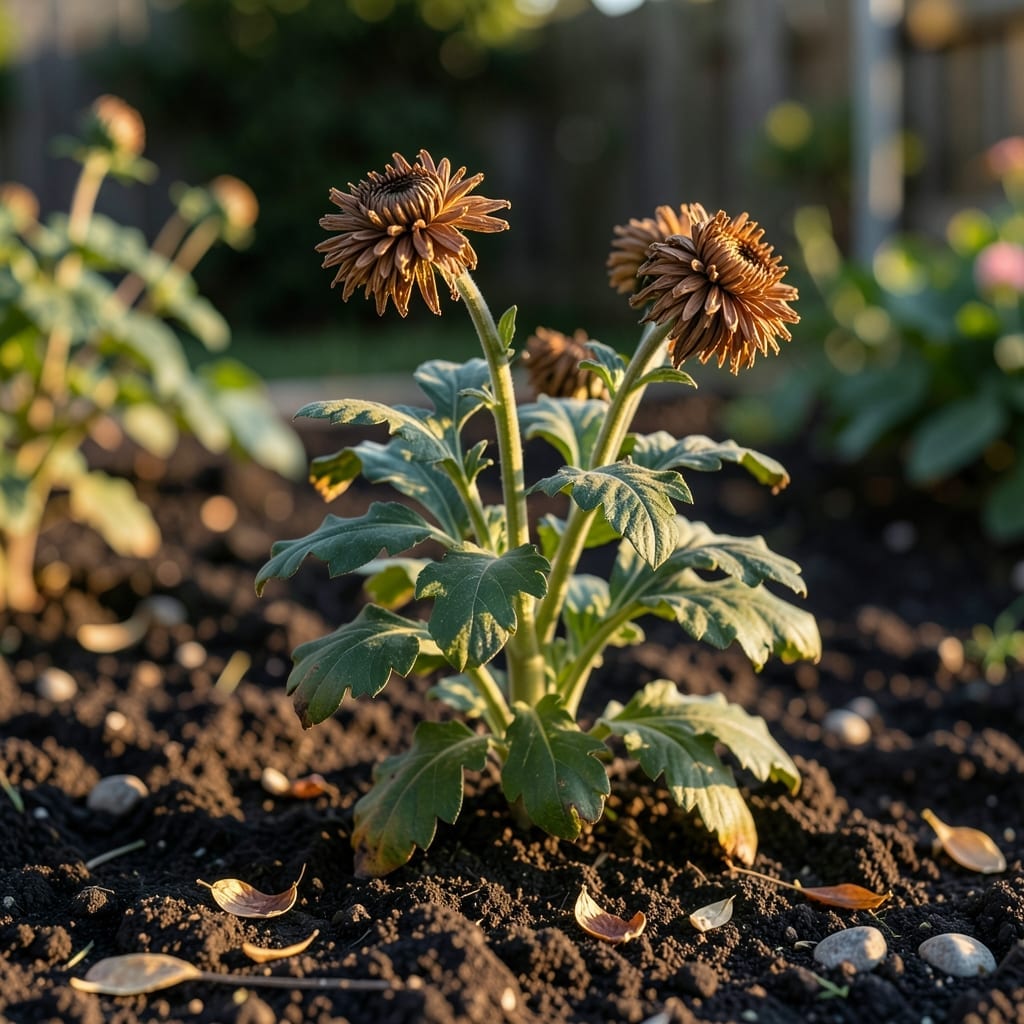
Brown mums flowers aren’t dead—they’re crying for help. I’ve nursed dozens back from the brink with just a few adjustments to water, light, and airflow.
The usual suspects are overwatering roots, dry soil stress, or a fungal party crashing your garden. Each leaves its own clues: yellowing leaves, crispy edges, or black spots on the stems.
You’ll see color return within 7-10 days once you correct the issue. The blooms bounce back shockingly fast when you give them what they actually need.
Works for potted mums on patios or garden beds alike. Here’s how to play plant detective and fix what’s wrong.
When your mums start sporting unsightly brown flowers, it’s usually a sign of stress or improper care. Here’s a breakdown of the most common causes and the science behind them:
Mums thrive in cooler temperatures (60–70°F). Exposure to intense heat or direct afternoon sun can scorch petals, turning them brown. The plant’s cells dehydrate faster than roots can replenish moisture, leading to necrosis (tissue death). Move pots to partial shade or water deeply in the morning to combat this.
Inconsistent watering disrupts the plant’s vascular system. Too little water causes wilting and browning as cells collapse from lack of turgor pressure. Too much water suffocates roots, preventing oxygen uptake and leading to rot, which manifests as brown, mushy blooms. Aim for 1 inch of water per week, allowing the topsoil to dry slightly between waterings.
High humidity or poor air circulation invites fungal pathogens like Botrytis blight or powdery mildew. These fungi infect petals, causing brown spots or fuzzy growth. Spores thrive in damp conditions, so water at the base (not overhead) and space plants for airflow. Remove infected blooms immediately to halt spread.
A lack of phosphorus (critical for blooming) or excess nitrogen (promotes foliage over flowers) can cause brown, stunted blooms. Test soil pH (mums prefer 6.0–7.0); acidic or alkaline imbalances lock out nutrients. Use a balanced fertilizer (10-10-10) and amend soil with compost for steady nutrient supply.
If your mums are sporting unsightly brown flowers, don’t despair—most issues are fixable with a little care. Below are targeted solutions for common causes, along with prevention tips to keep your blooms vibrant.
Fix: Check the soil moisture by sticking your finger an inch deep. If it’s bone-dry, water thoroughly until it drains from the bottom. If soggy, let the soil dry out and improve drainage by adding perlite or moving to a well-draining pot. Trim any mushy, brown stems to prevent rot.
Prevent: Water when the top inch of soil feels dry. Use pots with drainage holes, and avoid letting mums sit in saucers of water. 💡 Pro tip: Morning watering reduces evaporation and fungal risks.
Fix: Relocate potted mums to a spot with bright, indirect light or partial shade. For garden mums, provide temporary shade during peak afternoon hours using a shade cloth or strategically placed garden umbrella.
Prevent: Aim for 4–6 hours of morning sun and afternoon shade, especially in hot climates. Mulch around the base to retain moisture and cool the roots.
Fix: Thin out crowded stems to improve airflow, and space potted mums at least 12–18 inches apart. Remove any dead or brown foliage immediately to stop the spread of fungal issues.
Prevent: Prune mums regularly to encourage open growth. Avoid overcrowding in garden beds, and ensure good ventilation if growing indoors.
Fix: Apply a balanced, water-soluble fertilizer (10-10-10) every 2–3 weeks during the growing season. If leaves are yellowing with brown edges, switch to a low-nitrogen, high-phosphorus formula to boost blooming.
Prevent: Feed mums lightly but consistently. Over-fertilizing can burn roots, so always follow package instructions. ✨ Pro tip: A soil test can pinpoint exact deficiencies.
Fix: Spray aphids or spider mites off with water or treat with insecticidal soap. For fungal issues like powdery mildew, use a fungicide and remove affected parts. Sterilize pruning tools with rubbing alcohol between cuts.
Prevent: Inspect plants regularly for early signs of trouble. Keep the area clean of debris, and avoid overhead watering to reduce fungal spores.
No, once flowers turn brown, they won’t recover. Focus on fixing the underlying issue to protect healthy blooms. New growth will appear if you correct watering, light, or soil conditions.
Water when the top 1 inch of soil feels dry, usually 2-3 times per week. Ensure pots have drainage holes to avoid soggy roots. Morning watering is best.
Yes! Over-fertilizing, especially with high-nitrogen formulas, can burn roots and stress the plant. Use a balanced 10-10-10 fertilizer every 2-3 weeks during growing season.
Removing brown blooms encourages new growth and prevents disease spread. Use clean shears and cut just above a leaf node.