
Beautiful Plants For Your Interior
Beautiful Plants For Your Interior
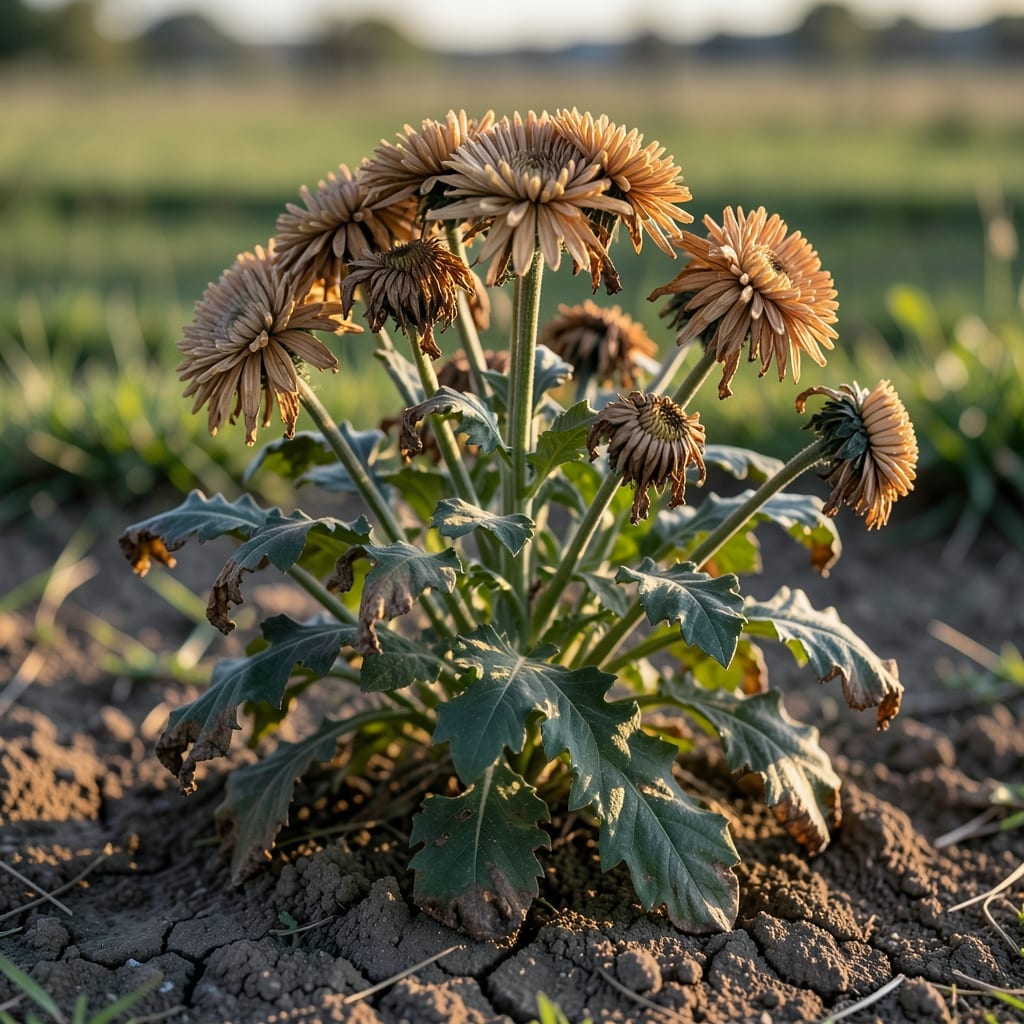
Brown mums in your yard are sending a distress signal. I’ve seen this happen mid-season when plants should be thriving, and the fix is usually simpler than you think.
The culprits are often overwatering, poor drainage, or sudden temperature swings. Most gardeners assume it’s disease, but 80% of the time it’s environmental stress we can correct in a weekend.
You’ll spot the difference between crispy edges from drought and mushy stems from rot. The solution starts with checking soil moisture at 2-inch depth before watering.
Works for potted mums too—just adjust your approach for containers. Here’s how to bring them back to life.
Browning chrysanthemums (or “mums”) often signal underlying stress. Here’s why it happens, broken down by the most frequent triggers:
Mums thrive in cool to mild temperatures (60–75°F). When exposed to prolonged heat above 85°F or irregular watering, their roots struggle to absorb moisture, leading to leaf scorch—brown, crispy edges. Action: Water deeply at the base early in the day (1–1.5 inches weekly) and add 2–3 inches of mulch to retain soil moisture.
Too much water suffocates roots, causing root rot (a fungal disease). Symptoms include yellowing leaves that turn brown and wilting despite wet soil. Fix: Ensure pots or garden beds have drainage holes and use well-draining soil (mix in perlite or sand). Water only when the top inch of soil is dry.
High humidity or overhead watering invites powdery mildew (white powder on leaves) or botrytis blight (brown spots with fuzzy gray mold). Solution: Space plants 18–24 inches apart for airflow, water at the base, and apply copper-based fungicide at first signs.
Spider mites (tiny red/yellow bugs) and aphids suck sap from leaves, causing stippling, yellowing, then browning. Check leaf undersides for webbing or sticky residue. Treat: Blast off pests with water or use neem oil/insecticidal soap weekly until gone.
A lack of potassium or magnesium can cause brown leaf margins. Test soil with a kit; amend with balanced fertilizer (10-10-10) or Epsom salt (1 tbsp/gallon of water) for magnesium.
Bring your chrysanthemums back to life with these targeted fixes for the most common causes of browning. Follow these steps to revive your plants and keep them thriving. 🌱
If the soil feels dry 1-2 inches down, your mums need water. Fix: Water deeply at the base (not the leaves) in the early morning, ensuring the soil stays moist but not soggy. Aim for 1-2 inches of water per week, adjusting for rain. Prevention tip: 💡 Mulch around the base to retain moisture and reduce evaporation.
Yellowing leaves with brown edges often signal too much water. Fix: Stop watering immediately and check the roots for rot (mushy, dark roots). Trim affected roots, repot in fresh, well-draining soil, and ensure pots have drainage holes. Prevention tip: ✨ Use a moisture meter to avoid overwatering—mums prefer slightly dry soil over soggy conditions.
Brown, crispy leaf tips or edges? Your mums might be getting too much direct sunlight. Fix: Move potted mums to a spot with partial shade (4-6 hours of morning sun). For in-ground plants, use shade cloth during peak afternoon hours. Prevention tip: 🎯 Gradually acclimate mums to sunlight to avoid shock.
Brown spots with yellow halos or powdery mildew? Fungus is likely the culprit. Fix: Remove infected leaves, then spray with a fungicide (neem oil or copper-based). Space plants for airflow and avoid overhead watering. Prevention tip: 🌡️ Water early in the day so leaves dry quickly, and clean up fallen debris.
Holes or brown patches on leaves? Check for aphids, spider mites, or Japanese beetles. Fix: Blast pests off with water or use insecticidal soap. For severe infestations, apply a targeted pesticide. Prevention tip: 🔥 Encourage beneficial insects like ladybugs by planting companion flowers.
Yes! If the roots are still firm and white, your mums can bounce back. Trim dead foliage, adjust watering, and move to shade if needed. Recovery typically takes 2-3 weeks with proper care.
Water when the top 1 inch of soil feels dry—usually 1-2 times per week. Early morning is best to prevent fungal growth. Always water at the base, not the leaves.
A balanced 10-10-10 fertilizer works well. For quick recovery, use a liquid feed every 2 weeks. Avoid over-fertilizing, which can burn roots and worsen browning.
Transplant shock is common. Ensure they’re planted at the same depth as their container and keep soil consistently moist for the first 10 days. Mulching helps reduce stress.