
Beautiful Plants For Your Interior
Beautiful Plants For Your Interior
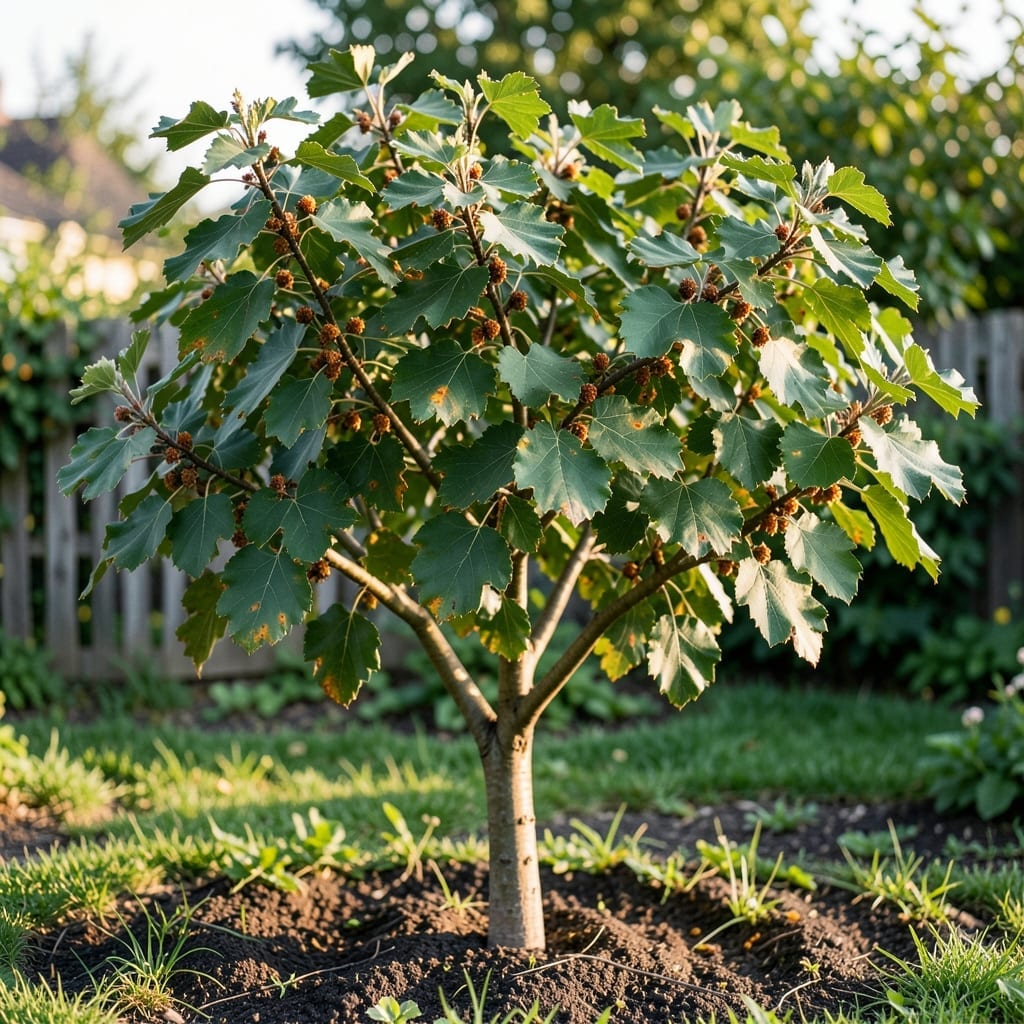
Spotted orange splotches on your mulberry leaves mean trouble. I first noticed this on my trees after a wet spring, and it spread fast if ignored.
Leaf rust thrives in damp conditions, turning healthy green foliage into a sickly yellow-orange mess. The good news is early detection makes treatment straightforward and organic options actually work.
You’ll save your harvest and tree health with simple sprays and better air circulation. The difference between catching it early and letting it run wild is night and day.
Works for both young and established mulberry trees. Here’s how to spot it and stop it.
Mulberry leaf rust is primarily caused by the fungal pathogen Phakopsora mori, but several environmental and cultural factors contribute to its development. Understanding these triggers can help you prevent outbreaks in your garden or orchard.
The fungus thrives in damp conditions. Prolonged leaf wetness—from rain, dew, or overhead irrigation—creates the perfect environment for spores to germinate and infect mulberry leaves. Poor air circulation exacerbates the issue, trapping moisture around the foliage.
Warm weather, typically between 68–86°F (20–30°C), accelerates the growth and spread of P. mori. These temperatures are ideal for spore production and infection, especially when combined with high humidity.
Dense canopies with limited airflow restrict drying and increase humidity within the tree. Without proper pruning, sunlight and wind can’t penetrate, leaving leaves vulnerable to fungal spores.
The fungus overwinters in fallen leaves and twigs. If infected debris isn’t removed, spores can reinfect new growth in the spring, perpetuating the cycle of disease.
Over-fertilizing with nitrogen promotes lush, tender leaf growth—exactly the kind of tissue rust fungi love to attack. Balanced nutrition strengthens plant defenses, while excessive nitrogen weakens them.
Combatting mulberry leaf rust starts with targeted solutions for its most common causes. Below are practical fixes paired with prevention tips to keep your mulberry trees thriving.
If you spot rust-colored spots, prune and destroy infected leaves immediately to prevent spores from spreading. Use sterilized pruning shears and dispose of the debris in sealed bags—never compost it. This stops the fungus from overwintering in garden waste.
Prevention tip: Inspect leaves weekly during wet seasons, as moisture fuels rust growth.
Dense foliage traps humidity, creating a breeding ground for rust. Thin out branches to allow airflow and sunlight penetration. Space mulberry trees at least 10 feet apart if planting new ones.
Prevention tip: Water at the base of the tree in the morning so leaves dry quickly.
For active infections, spray neem oil or copper-based fungicides every 7–10 days until symptoms fade. Mix 1 tablespoon of neem oil per gallon of water and add a drop of dish soap for better adhesion.
Prevention tip: Apply a preventive spray of baking soda (1 tsp per quart of water) monthly during the growing season.
A stressed tree is more vulnerable. Fertilize with compost in early spring and mulch around the base to retain moisture. Avoid high-nitrogen fertilizers, which promote leafy growth that’s prone to rust.
Prevention tip: Keep the soil pH between 6.0–7.0—rust thrives in overly acidic conditions.
Consistency is key: combine these steps for the best results, and your mulberry trees will bounce back stronger. 🌿
Early symptoms appear as small yellow-orange spots on the upper leaf surface. These gradually enlarge into powdery, rust-colored pustules. Check undersides too—spores often develop there first.
Rarely, but severe infections can defoliate trees and weaken them over time. Young trees are more vulnerable. With proper treatment, most recover fully within a season.
Yes, but organic options like neem oil or copper sprays work well for most cases. If using chemicals, apply in early morning and follow label rates carefully.
You should see improvement within 2-3 weeks of consistent treatment. Full recovery may take a growing season, especially for heavily infected trees.