
Beautiful Plants For Your Interior
Beautiful Plants For Your Interior
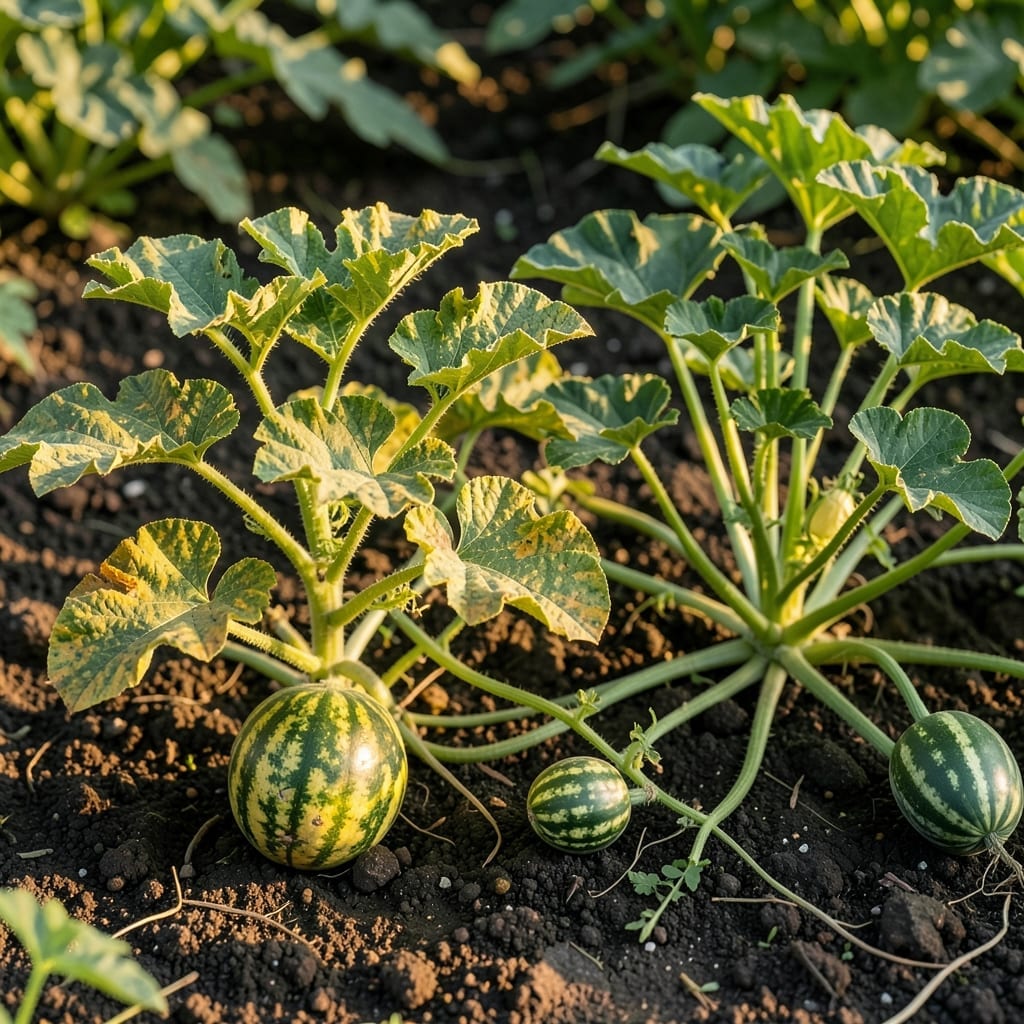
Spotted yellow mottling on your watermelon leaves last week? That’s how my mosaic disease nightmare began. The patches spread fast, turning healthy green foliage into a distorted, stunted mess overnight.
Here’s the thing—this virus spreads through aphids and contaminated tools. I learned the hard way that early action saves the season. Once symptoms appear, removal is often the only foolproof fix.
Prevention is your best defense: resistant varieties, row covers, and strict garden hygiene. These steps kept my next crop clean for the entire season.
No chemical cure exists, but organic methods slow the spread. I’ll show you what works and what doesn’t.
Mosaic disease in watermelons is primarily triggered by viral infections, environmental stressors, and poor cultural practices. Below are the key causes, explained with actionable insights to help you prevent or address them.
The most common culprit is the Cucumber Mosaic Virus (CMV) or Watermelon Mosaic Virus (WMV), both transmitted by aphids. These viruses disrupt cellular functions, leading to the characteristic mottled, yellow-green patterns on leaves. Aphids spread the virus as they feed, so early pest control is critical.
Extreme temperatures, drought, or excessive moisture can weaken watermelon plants, making them more susceptible to viral infections. Stressors like poor soil drainage or nutrient deficiencies (e.g., low potassium) can also mimic mosaic symptoms, so testing soil health is essential.
Using infected seeds, contaminated tools, or planting in non-rotated fields can introduce or spread the virus. Sanitize equipment, source certified disease-free seeds, and practice crop rotation (3+ years between cucurbit plantings) to break the virus cycle.
Pro tip: Remove and destroy infected plants immediately to prevent further spread. 💡
Tackling mosaic disease in watermelons starts with quick action and consistent care. Below are targeted solutions for each cause, paired with prevention tips to keep your crop healthy.
Use neem oil or insecticidal soap to deter aphids, the primary carriers of the virus. Apply every 5–7 days, especially during early growth stages. For severe infestations, introduce beneficial insects like ladybugs or lacewings. Prevention tip: 💡 Plant trap crops (e.g., nasturtiums) near watermelons to lure aphids away.
Uproot and burn or bag infected plants immediately to prevent the virus from spreading. Disinfect tools and gloves with a 10% bleach solution after handling sick plants. Prevention tip: ✨ Rotate crops yearly and avoid planting watermelons or cucurbits in the same spot for at least 2 seasons.
Only purchase certified disease-free seeds or seedlings from reputable suppliers. If saving seeds, ensure they come from healthy plants. Prevention tip: 🎯 Soak seeds in a 1% hydrogen peroxide solution for 10 minutes before planting to reduce surface pathogens.
Remove weeds and volunteer cucurbit plants, as they can harbor the virus. Keep the garden free of plant debris, and solarize soil by covering it with clear plastic for 4–6 weeks before planting. Prevention tip: 🌡️ Use mulch to suppress weeds and reduce aphid attraction.
Strengthen plants with balanced organic fertilizers and compost tea to improve vigor. Avoid over-fertilizing with nitrogen, which attracts aphids. Prevention tip: 🔥 Choose disease-resistant watermelon varieties like ‘Crimson Sweet’ or ‘Sugar Baby’ when possible.
No, there is no cure for the virus once it takes hold. Infected plants should be removed and destroyed immediately to prevent further spread.
Use neem oil or introduce beneficial insects like ladybugs. Plant trap crops such as nasturtiums to divert aphids away from watermelons.
Early symptoms include yellow mottling on leaves, stunted growth, and distorted new growth. Check the youngest leaves first, as they show signs before older foliage.
Avoid planting cucurbits in the same area for at least 2-3 years. Rotate with non-host crops and solarize soil to reduce virus persistence.