
Beautiful Plants For Your Interior
Beautiful Plants For Your Interior
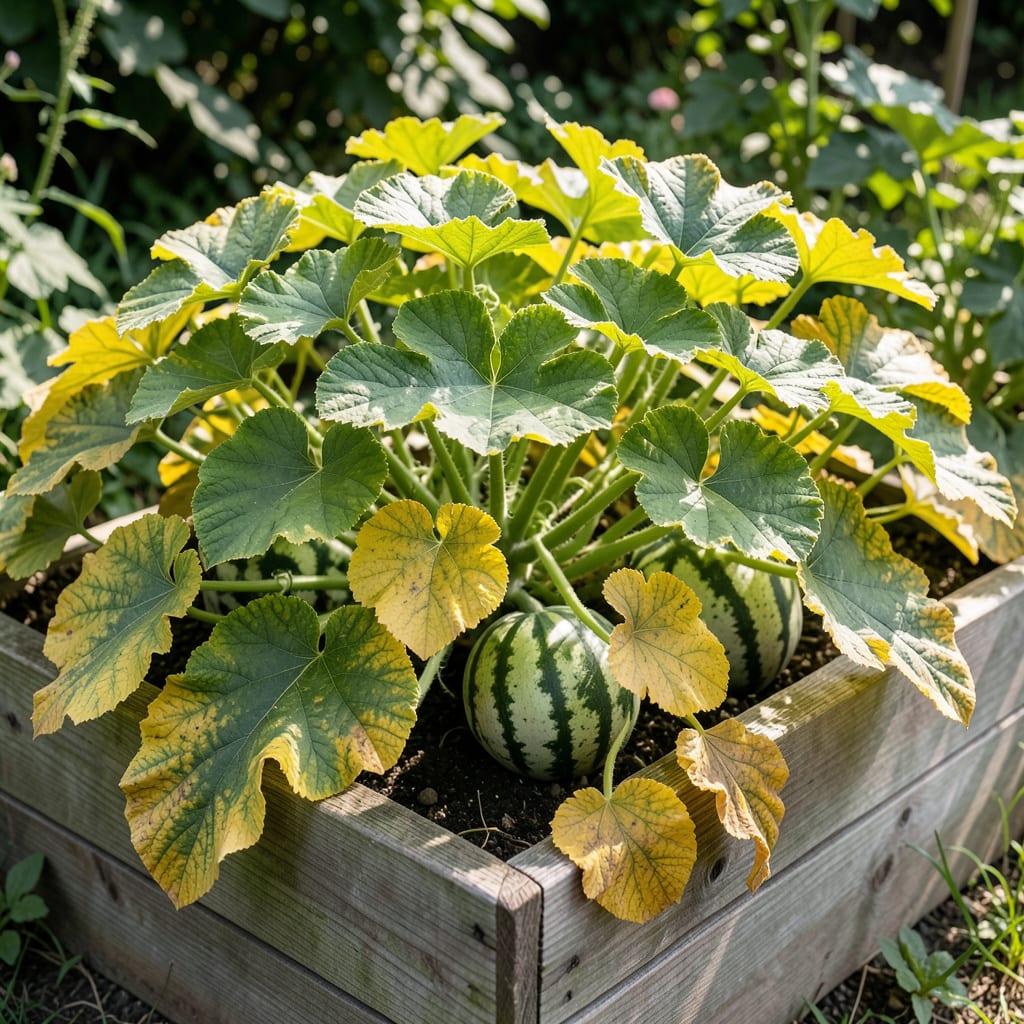
Yellow leaves on your watermelon plants signal something’s off. I’ve seen this happen mid-summer when plants seem fine one day and struggling the next. Don’t panic—it’s usually fixable with a few adjustments.
Most often, it’s a nutrient issue, usually nitrogen or magnesium. But overwatering, pests, or even too much sun can cause the same symptom. The key is diagnosing which problem you’re dealing with before taking action.
With the right fix, you’ll see new growth return to that deep green within 7-10 days. The plants bounce back faster than you’d expect, and you’ll still get a solid harvest if you act quickly.
Works for backyard patches, raised beds, or container watermelons. Here’s how to pinpoint the cause and turn things around.
Yellowing leaves on watermelon plants often signal underlying issues that disrupt chlorophyll production or nutrient uptake. Below are the most common causes, each with clear, actionable explanations.
Watermelons are heavy feeders, and deficiencies in key nutrients can lead to yellowing leaves. Nitrogen deficiency typically causes uniform yellowing of older leaves first, as the plant redirects nitrogen to newer growth. Magnesium deficiency appears as yellowing between leaf veins (interveinal chlorosis), often starting on older leaves. Potassium deficiency may cause yellowing at leaf edges, progressing inward. A soil test can confirm deficiencies—apply a balanced fertilizer or targeted amendments like Epsom salt (for magnesium) to correct the issue.
Excess water or poorly draining soil suffocates roots, reducing oxygen uptake and nutrient absorption. This stress triggers yellowing, often accompanied by wilting. Watermelon roots need consistent moisture but cannot tolerate soggy conditions. Ensure your soil has good drainage, and water only when the top inch of soil feels dry. Raised beds or containers can help prevent waterlogging in heavy clay soils.
Fungi like Fusarium and Verticillium wilt disrupt the plant’s vascular system, leading to yellowing and wilting. These pathogens often enter through roots or wounds. Yellowing may start on one side of the plant or in patches. To manage, remove and destroy infected plants, rotate crops, and use fungicides or resistant varieties. Avoid overhead watering to reduce fungal spread.
Pests like aphids, whiteflies, and spider mites suck sap from leaves, causing stunted growth and yellowing. Check the undersides of leaves for tiny insects or webbing. Introduce beneficial insects like ladybugs, or apply insecticidal soap to control infestations. Neem oil can also deter pests while being gentle on plants.
Extreme temperatures, sudden cold snaps, or excessive heat can stress watermelon plants, leading to yellow leaves. Watermelons thrive in warm conditions (70–90°F). Use row covers to protect young plants from cold, and provide afternoon shade in scorching climates. Consistency in temperature and care helps prevent stress-induced yellowing.
If your watermelon leaves are turning yellow, don’t panic—most causes are fixable with a few simple adjustments. Below are targeted solutions for each common issue, along with prevention tips to keep your plants thriving.
💡 Pro Tip: Always start with the simplest fix—adjust watering or check for pests—before assuming a nutrient issue. Yellow leaves often recover once the root cause is addressed!
New growth typically returns to deep green within 7-10 days after addressing the root cause. Older yellow leaves may not recover, but fresh growth will show improvement quickly.
Yes, too much fertilizer can burn roots, leading to yellowing. Always follow package instructions and avoid applying more than recommended every 4-6 weeks.
The fruit itself is usually fine if the issue is environmental or nutritional. However, if pests or diseases are the cause, inspect the fruit carefully before eating.
Yes, trim severely yellowed leaves to redirect energy to healthy growth. Use clean shears and remove leaves at the base to prevent disease spread.
