
Beautiful Plants For Your Interior
Beautiful Plants For Your Interior
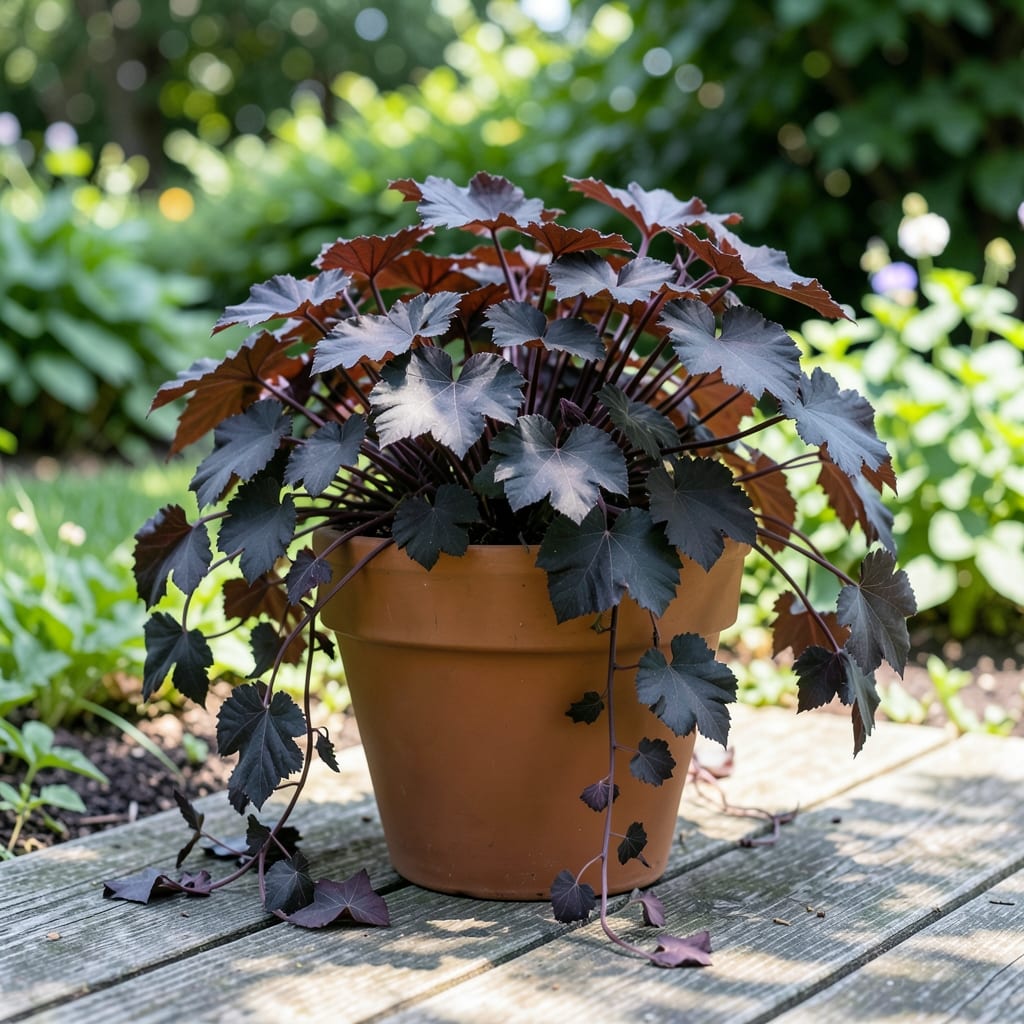
I fell for these deep purple blooms the first time I saw them climbing a neighbor’s fence. Morning glory black turns any ordinary trellis into a living work of art with its velvety, near-black flowers.
This variety thrives with minimal fuss—just give it full sun, well-draining soil, and something to climb. You’ll get vibrant blooms from summer until frost, and the best part? It attracts pollinators all season long.
📚 In This Guide
Here’s the method I rely on for vibrant, healthy vines and those deep, velvety blooms.
Wait until all danger of frost has passed and soil temperatures reach at least 60°F. Morning glories are warm-season plants that won’t tolerate cold. I always check my local last frost date and count forward 2-3 weeks for safety.
Select a spot with full sun—these plants need 6-8 hours of direct sunlight daily to produce their signature deep purple-black flowers. A south-facing location works best, but east or west exposure can work if it gets enough light.
Morning glories thrive in well-draining soil with a pH between 6.0-7.5. Work the soil to a depth of 12-15 inches, breaking up any clumps and removing debris. I add a 2-inch layer of compost to improve fertility without over-fertilizing, which can lead to excessive foliage and fewer blooms.
If your soil is heavy clay, mix in some coarse sand or perlite to improve drainage. The key is loose, crumbly soil that roots can penetrate easily while still holding enough moisture to sustain growth.
For direct sowing, plant seeds ½ inch deep and 6-12 inches apart. Morning glory seeds have a hard outer coat, so I soak them in lukewarm water for 12-24 hours before planting to speed up germination. You should see sprouts in 7-14 days.
If using transplants, dig holes slightly larger than the root ball and space them 12-18 inches apart. Plant at the same depth they were in their container, then water thoroughly to settle the soil. Provide a trellis or support structure at planting time—morning glories are vigorous climbers and will start twining upward immediately.
Water deeply after planting, then maintain consistent moisture by watering when the top inch of soil feels dry. Morning glories are somewhat drought-tolerant once established, but regular watering produces the best blooms. I water at the base of the plant to keep foliage dry and prevent disease.
Avoid over-fertilizing, which can result in lush foliage but fewer flowers. If growth seems sluggish, a light application of balanced fertilizer once a month is sufficient. Begin deadheading spent blooms to encourage continuous flowering throughout the growing season.
Gently guide vines toward their support structure as they grow. Morning glories twine naturally, but I occasionally weave stray tendrils through trellis openings to keep the plant neat. Regularly check for pests like aphids or spider mites, which can be controlled with a strong spray of water or insecticidal soap if caught early.
Watch for powdery mildew, which appears as a white coating on leaves. To prevent this, ensure good air circulation around plants and avoid overhead watering. If mildew appears, remove affected leaves and treat with a fungicide if necessary.
Small adjustments in your approach can make a big difference in achieving those stunning dark blooms.
Timing Secret: Those 2-3 weeks after your last frost date are critical for soil warmth. I learned the hard way that planting even a few days early can stunt growth. Use a soil thermometer to confirm 60°F at planting depth before proceeding.
Sunlight Strategy: The 6-8 hours of direct sunlight requirement isn’t just a suggestion. I’ve seen plants in partial shade produce sparse, pale blooms. If your garden doesn’t get full sun, consider containers you can move to track the sunlight throughout the day.
Soil Prep Insight: Working the soil to 12-15 inches deep might seem excessive, but morning glory roots grow surprisingly long. The first year I skimped on depth, my plants struggled to establish. That 2-inch layer of compost also makes a noticeable difference in bloom quantity.
Germination Hack: Don’t skip soaking seeds in lukewarm water for 12-24 hours. This simple step cuts germination time nearly in half. I use a seedling heat mat to maintain consistent warmth during this period, which further speeds up the process.
Ensure good air circulation and avoid overhead watering. Remove infected leaves promptly, and apply a fungicide if needed. Black spots often signal fungal issues like leaf spot disease.
Morning glories thrive in full sun (6+ hours daily). While they tolerate partial shade, blooms may be sparse. For darker areas, consider shade-tolerant alternatives like sweet potatoes or ivy.
Blackening vines usually indicate root rot from overwatering or poor drainage. Check soil moisture—let it dry slightly between waterings. Ensure pots have drainage holes.
Plant seeds after the last frost when soil temps reach 60°F (15°C). In cooler climates, start indoors 4-6 weeks earlier. They grow quickly and bloom in about 60-90 days!