
Beautiful Plants For Your Interior
Beautiful Plants For Your Interior
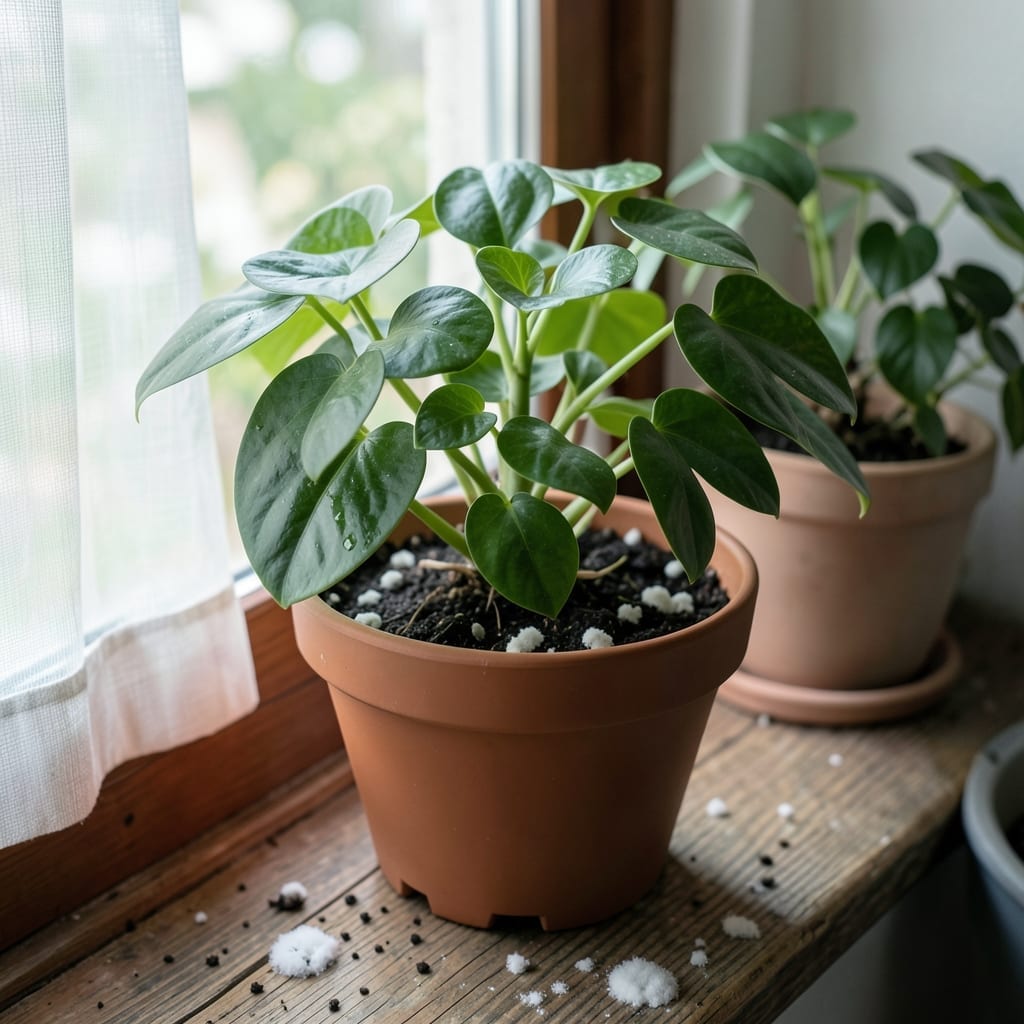
White fuzz on your potting mix isn’t a death sentence. I’ve saved dozens of plants from this exact problem with a few simple changes.
Overwatering and poor drainage are usually to blame—two issues I’ve struggled with myself. The solution starts with letting the soil dry out completely between waterings.
Once you adjust your routine, you’ll notice the mold disappearing within days. Your plants will perk up, and that musty smell will fade.
Prevention is easier than treatment, and I’ll show you how to keep it from coming back. No fancy tools required, just consistent habits.
Mold growth in potted plant soil is a common issue, often triggered by environmental and care-related factors. Understanding the root causes helps prevent its recurrence and keeps your plants healthy.
Excess moisture is the primary culprit behind mold. When soil remains soggy due to frequent watering or lack of drainage holes, it creates an ideal breeding ground for fungal spores. Saturated soil restricts oxygen flow, encouraging anaerobic conditions where mold thrives. Use well-draining pots and water only when the top inch of soil feels dry.
Decaying leaves, dead roots, or uneaten fertilizer in the soil introduce organic matter that mold feeds on. As these materials break down, they release nutrients that accelerate fungal growth. Regularly remove plant debris and avoid over-fertilizing to reduce this risk.
Dark, stagnant environments promote mold spores to settle and multiply. Potted plants in dimly lit corners or crowded spaces with limited air circulation are more susceptible. Move plants to brighter areas and ensure gentle airflow (e.g., a fan on low) to discourage mold.
Humid conditions (above 60%) provide the perfect moisture mold needs to spread. This is especially common in terrariums or bathrooms. Use a dehumidifier or group plants with similar moisture needs to balance humidity naturally.
Mold in your potted plant soil can be unsightly and harmful, but it’s often easy to treat. Below are practical solutions tailored to the most common causes.
If excess moisture is the culprit, let the soil dry out completely before watering again. Stick your finger an inch into the soil—if it feels damp, wait another day or two. Switch to a pot with drainage holes if yours lacks them, and always empty the saucer after watering to prevent standing water.
Stagnant air encourages mold growth. Move your plant to a spot with better airflow, like near an open window or a gentle fan. For dense plants, thin out some foliage to allow air to reach the soil. A small oscillating fan on low can work wonders for indoor setups.
Remove fallen leaves, dead plant matter, or uneaten mulch from the soil surface. These decompose and create a breeding ground for mold. Gently rake the top layer of soil to disrupt existing mold, then discard any heavily affected bits.
If the mold persists, repot your plant with fresh, sterile potting mix. For mild cases, sprinkle cinnamon or a thin layer of sand over the soil—both have natural antifungal properties. A diluted hydrogen peroxide solution (1 part 3% peroxide to 4 parts water) can also kill mold spores when lightly misted on the soil.
Prevention Tips:
White mold is typically harmless to established plants but can compete for nutrients. Remove it promptly to prevent spreading, especially for seedlings which are more vulnerable. The mold itself won’t kill plants, but poor conditions that caused it might.
Yes, if you treat it first. Bake the soil at 200°F for 30 minutes to kill spores or mix in 1 part hydrogen peroxide to 4 parts water. Let it dry completely before reuse.
Recurring mold usually means persistent moisture or poor airflow. Check your watering schedule, pot drainage, and plant location. A small fan can improve air circulation significantly.