
Beautiful Plants For Your Interior
Beautiful Plants For Your Interior
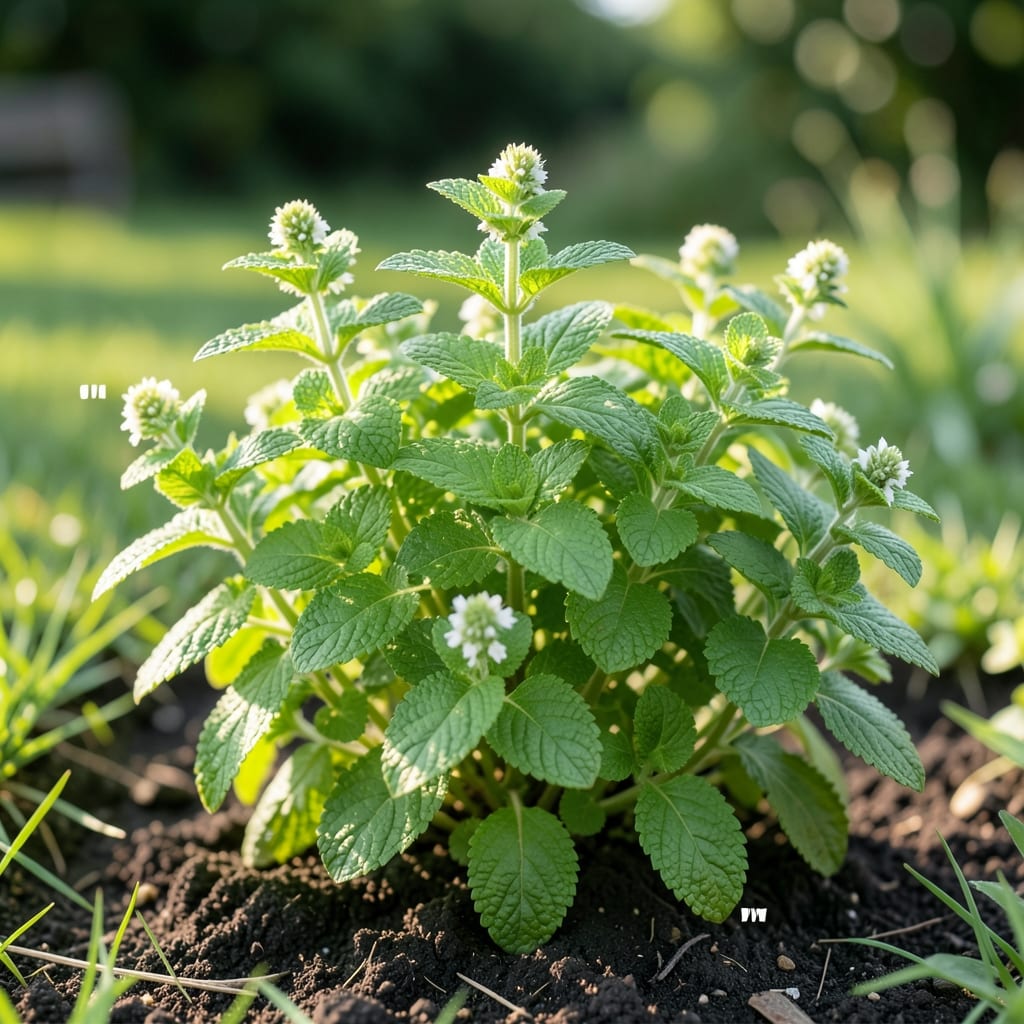
Peppermint took over my herb bed in the best way. 🌱 I started with one plant three years ago—now I have more fresh leaves than I can use, and every neighbor wants cuttings.
It thrives on neglect, spreads like wildfire, and rewards you with bold flavor all season. The key is giving it room to roam (or a container with drainage holes) and harvesting before it flowers for peak freshness.
📚 In This Guide
Here’s how I get lush, aromatic peppermint plants every time—no green thumb required.
Peppermint thrives in partial to full sun with at least 4-6 hours of direct light daily. I’ve found it grows best in containers because it spreads aggressively in garden beds. Use pots that are 12-16 inches wide with drainage holes—plastic, clay, or ceramic all work.
If you’re planting multiple starts, space them 18-24 inches apart to prevent overcrowding. This gives roots room to expand while allowing air circulation between plants. Avoid dark-colored containers in hot climates—they can overheat the soil and stress your mint.
Fill your containers with a well-draining potting mix that retains moisture without becoming soggy. I mix in 1-2 inches of compost for extra fertility. Plant your peppermint starts at the same depth they were growing in their nursery pots.
Press the soil gently around the base to eliminate air pockets, but don’t pack it too tightly. Water thoroughly after planting until you see it draining from the bottom. The soil should feel evenly damp to the touch—like a wrung-out sponge.
Peppermint prefers consistently moist soil, so check daily by sticking your finger 1 inch into the soil. When it feels dry at that depth, water until it drains from the bottom. In hot weather, this might mean watering twice daily—morning and evening.
I use a watering can with a narrow spout to deliver water directly to the soil, keeping the leaves dry to prevent fungal diseases. A layer of mulch helps retain moisture, but don’t let it touch the stems. You’ll know it’s happy when the leaves look vibrant green and perky.
Once established, peppermint is low-maintenance. Feed with a balanced liquid fertilizer every 4-6 weeks during the growing season. I dilute mine to half strength to avoid burning the foliage.
Pinch back the tips when plants reach 6-8 inches tall to encourage bushier growth. This also prevents early flowering, which can make the leaves taste bitter. Remove any yellow or damaged leaves immediately to keep the plant healthy and productive.
Start harvesting once the plant has at least 3-4 sets of leaves. Snip stems just above a leaf node—the point where leaves emerge—to encourage new growth. The best time to harvest is in the morning after the dew has dried but before the heat of the day.
For the strongest flavor, harvest before the plant flowers. I cut back the entire plant by one-third every 3-4 weeks during the growing season. This keeps it productive and prevents it from becoming woody. Fresh leaves are best, but you can dry them for later use too.
Small adjustments make a big difference with this aromatic plant.
Light Requirements: That 4-6 hours of direct light daily isn’t just a suggestion—peppermint will get leggy and weak without it. In hot climates, afternoon shade protects the leaves from scorching. I learned this the hard way after my first batch turned stringy and pale.
Container Choice: The 12-16 inch wide pots are ideal because peppermint roots spread fast. If you use smaller containers, you’ll be repotting constantly. Dark pots in sunny spots can cook the roots, so stick with light colors or add shade cloth.
Watering Technique: That 1 inch soil check is your best guide. Peppermint wilts dramatically when thirsty but bounces back quickly once watered. In summer, watering twice daily often becomes necessary—just water at soil level to keep leaves dry and prevent mildew.
Harvest Timing: Cutting back one-third every 3-4 weeks keeps plants from flowering and turning bitter. Morning harvests after dew dries yield the most fragrant leaves. Confession: I skipped this pruning once and ended up with woody stems and weak flavor.
Peppermint has dark green, pointed leaves with a strong, sharp aroma. Its stems are slightly purple, and it grows taller than spearmint. Crush a leaf—if the scent is intensely cool and medicinal, it’s likely peppermint!
Yes! Peppermint thrives indoors with bright, indirect light (6+ hours daily) and consistent moisture. Use a well-draining pot and rotate it weekly for even growth. Avoid drafts or dry air.
Yellow leaves often signal overwatering or poor drainage. Check if the soil is soggy—let it dry slightly between waterings. Alternatively, it could be nutrient deficiency; add a balanced fertilizer every 4–6 weeks.
Harvest leaves in the morning for peak flavor. Bundle stems and hang them upside down in a dark, dry place for 1–2 weeks. Alternatively, spread leaves on a tray and dry in a low oven (170°F) for 2–3 hours.
Spearmint is the closest alternative, with a milder, sweeter taste. For a similar coolness, try chocolate mint or a blend of spearmint and a drop of peppermint extract. Avoid using basil or oregano—they lack the signature minty freshness!