
Beautiful Plants For Your Interior
Beautiful Plants For Your Interior
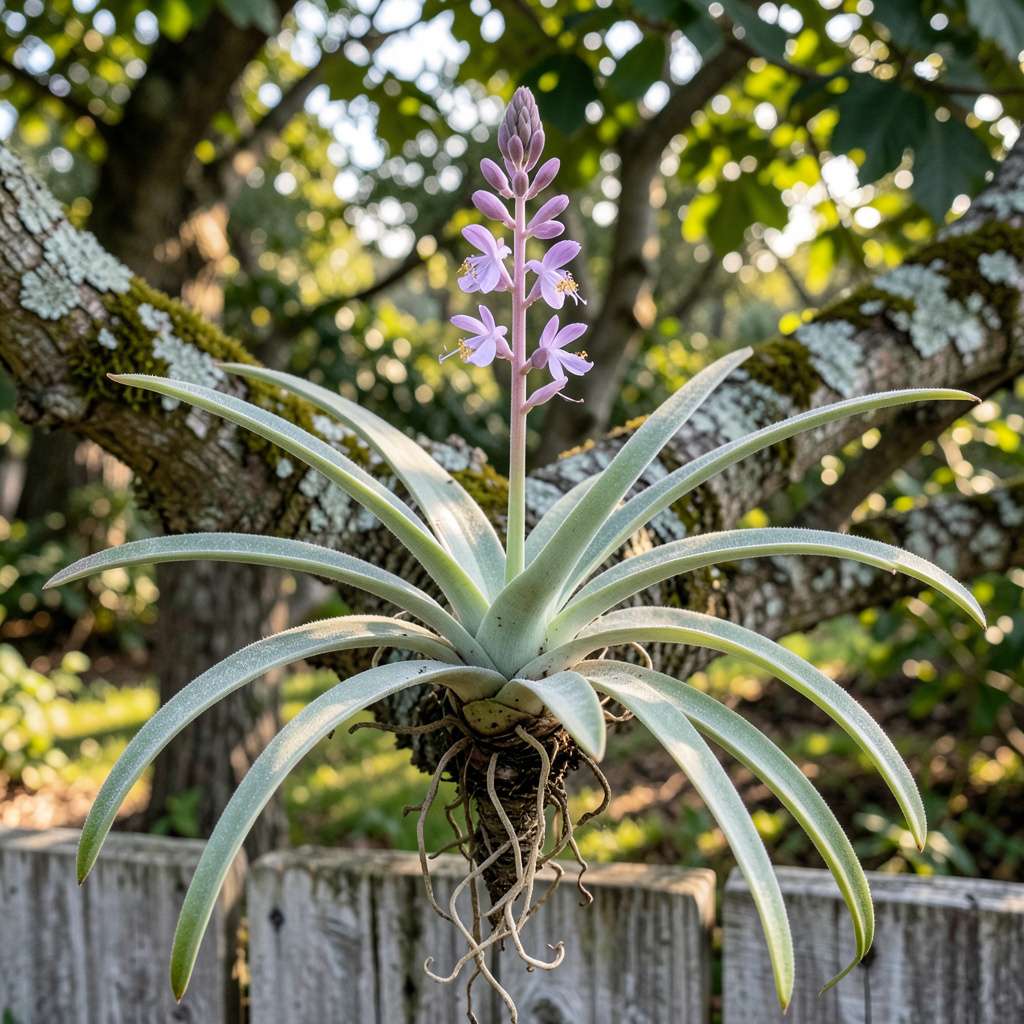
Air plants grow slowly, typically producing 1-2 new leaves per year under ideal conditions. Pups (offsets) may take 6-12 months to reach half the parent’s size, with full maturity in 2-4 years depending on species and care.
I’ve learned through years of growing these fascinating epiphytes that their slow pace is actually part of their survival strategy. 🌱 In their native habitats, air plants cling to trees and rocks where resources are scarce, so they’ve evolved to conserve energy. This means you won’t see dramatic weekly changes like with houseplants, but the gradual growth makes each new leaf feel like a rewarding milestone.
What’s particularly interesting is how different species express this slow growth. My Tillandsia xerographica might take 3 years to reach its stunning silver rosette form, while a Tillandsia ionantha could produce vibrant red blooms in just 18 months under perfect conditions. The key is understanding that patience pays off with these unique plants.
💡 In This Article
The growth rate of these epiphytes depends heavily on their unique biology as air plants. Unlike soil-based plants that draw nutrients from roots, Tillandsias absorb everything through their leaves via specialized trichomes—tiny hair-like structures that act like microscopic sponges.
These trichomes are most efficient in 60-80% humidity and 65-85°F temperatures, which is why indoor environments often slow their growth compared to tropical habitats.
Light exposure plays the biggest role in growth acceleration. In my experience, plants under bright indirect light (like east-facing windows) grow 30-50% faster than those in low-light conditions. Direct sunlight can be beneficial for some species like Tillandsia xerographica, but too much intense light causes leaf burn.
The ideal is 12-14 hours of filtered light daily—mimicking their natural canopy environment where they receive dappled sunlight through tree branches. 🌿
Watering frequency and method dramatically impact development. Soaking for 20-30 minutes weekly provides better hydration than misting, which often only wets the surface. I’ve noticed plants watered this way produce new leaves 2-3 weeks faster than misted plants.
The key is allowing complete drying within 4 hours to prevent rot—this is where good airflow becomes crucial. Stagnant air creates microclimates that encourage bacterial growth on the leaves.
Species differences create striking variations in growth timelines. My Tillandsia ionantha typically blooms in 18-24 months under optimal care, while Tillandsia cyanea may take 3-4 years to reach maturity.
The larger species like Tillandsia xerographica grow more slowly but live significantly longer—some specimens in my collection are over 10 years old and still producing pups annually. This longevity is part of their survival strategy in harsh environments.
The epiphytic nature of air plants means they’ve evolved to grow slowly as an energy conservation measure. In their native habitats, they often face periods of drought and limited nutrients, so rapid growth would be unsustainable. This adaptation explains why even under perfect home conditions, you’ll never see the explosive growth of soil-based plants.
The trade-off is remarkable resilience—many air plants can survive months without water by entering a dormant state. ✨
Seasonal changes also play a role that many growers overlook. During winter months with shorter daylight hours, growth naturally slows by 40-60% as the plants conserve energy. I’ve found that supplementing with grow lights for 2-3 hours in the evening maintains more consistent growth year-round.
The light spectrum matters too—red/blue LED combinations work best for encouraging both foliage development and eventual blooming.
Nutrient availability is the final piece of the puzzle. While air plants can survive without fertilizer, monthly applications of bromeliad fertilizer (17-8-22 ratio) diluted to ¼ strength can increase growth rates by 25-35%. The low nitrogen content prevents leaf burn while providing essential micronutrients.
I recommend fertilizing only during active growth periods (spring through early fall) and flushing the plants with plain water monthly to prevent salt buildup in the trichomes.
Under ideal conditions, most air plants grow 1-2 new leaves per year. Some faster-growing varieties like Tillandsia ionantha might produce leaves more frequently, while larger species like Tillandsia xerographica grow more slowly.
Pups (offsets) typically appear after the parent plant blooms, which can take 1-3 years depending on the species. Once pups form, they usually take 6-12 months to reach half the parent’s size. Proper care can encourage earlier pup production.
Growth pauses often occur due to insufficient light, low humidity, or inconsistent watering. Check your care routine—most air plants need bright, indirect light and proper airflow to maintain steady growth. Seasonal changes can also slow growth temporarily.
Yes! Using a bromeliad fertilizer (17-8-22 ratio) diluted to ¼ strength monthly during growing season can boost growth by 25-35%. Always rinse plants with plain water after fertilizing to prevent salt buildup in their trichomes.
Most air plants take 2-4 years to reach maturity. Smaller species may mature faster, while larger varieties can take up to 5 years. Remember that their slow growth is natural—it’s part of what makes their development so rewarding to observe!
