
Beautiful Plants For Your Interior
Beautiful Plants For Your Interior
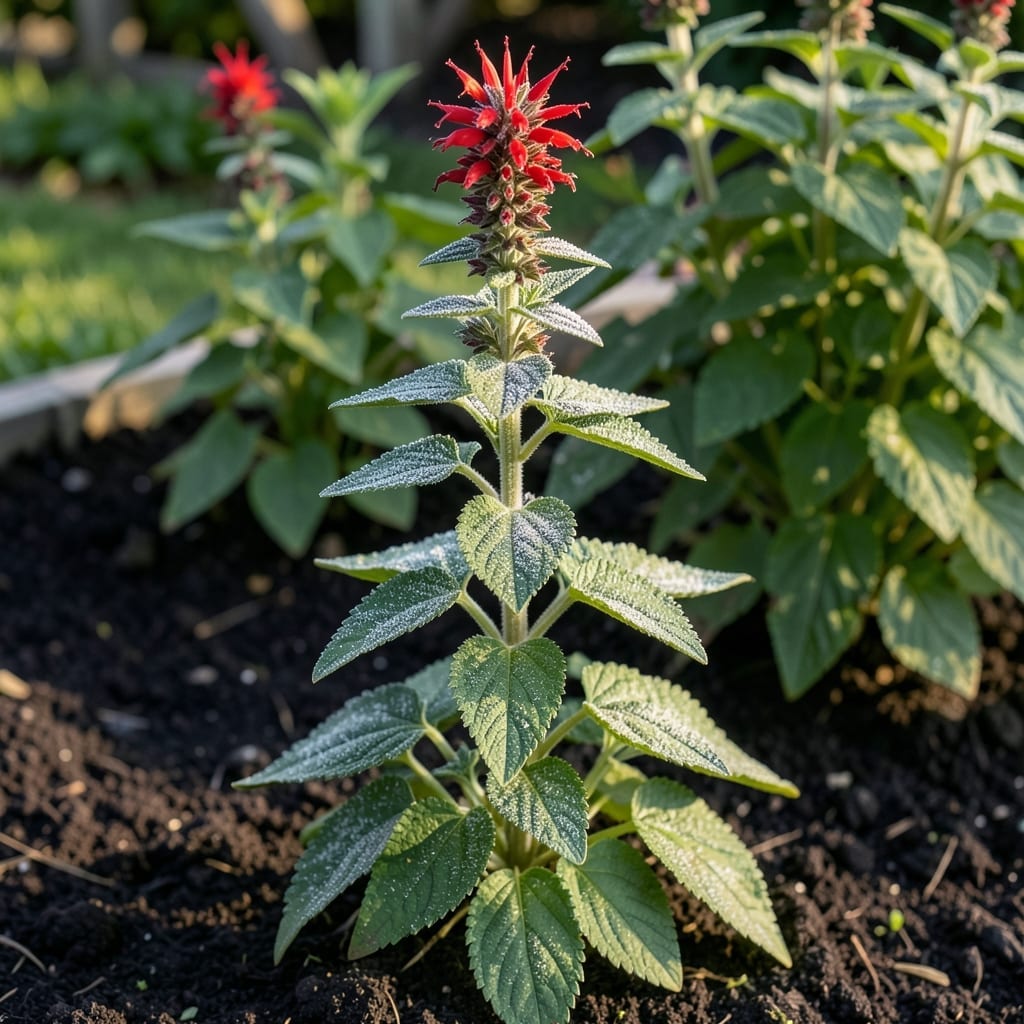
My monarda looked sad last summer with white powder coating its leaves. 🌿 It’s frustrating to see such a vibrant plant struggle with mildew, but there’s a simple fix.
Turns out, mildew thrives in crowded, damp conditions. I started spacing plants farther apart and watering at the base instead of overhead. The difference was noticeable within a week.
Natural solutions like baking soda spray or neem oil work wonders without harsh chemicals. These keep blooms healthy and the bees happy too.
Prevention is easier than cure. Prune for airflow and clean up fallen leaves to stop mildew before it starts. Your monarda will thank you.
Mildew on Monarda (bee balm) often stems from environmental and cultural factors that create ideal conditions for fungal growth. Below are the primary causes, explained with actionable insights.
Prolonged leaf wetness is a major trigger. Monarda thrives in well-drained soil, but overhead watering or high humidity can leave foliage damp for extended periods. The fungal spores of powdery mildew (Erysiphe spp.) germinate rapidly in these conditions, especially when temperatures range between 60–80°F (15–27°C). Action: Water at the base of the plant early in the day to allow foliage to dry quickly.
Dense plantings or crowded garden beds restrict airflow, trapping moisture around leaves. Monarda clumps that aren’t thinned annually are particularly vulnerable. Stagnant air not only prolongs wetness but also reduces evaporation, creating a microclimate perfect for mildew. Action: Space plants 18–24 inches apart and prune nearby vegetation to improve ventilation.
Splashing water from sprinklers or rain can spread spores from infected leaves to healthy ones. Unlike soil-borne pathogens, powdery mildew spores are airborne and readily cling to wet surfaces. Action: Use drip irrigation or soaker hoses to deliver water directly to the roots, minimizing leaf contact.
Some Monarda varieties, particularly older hybrids like ‘Jacob Cline’ or ‘Marshall’s Delight,’ are genetically more prone to mildew. Their dense foliage and vigorous growth habits retain moisture longer. Action: Opt for mildew-resistant cultivars such as ‘Balmy Pink’ or ‘Vintage Wine,’ which have been bred for improved disease resistance.
Excess nitrogen promotes lush, soft growth that’s more susceptible to fungal infections. Conversely, potassium and phosphorus strengthen cell walls, improving plant resilience. Action: Use a balanced fertilizer (e.g., 10-10-10) and avoid over-fertilizing with nitrogen-heavy products.
Mildew on your Monarda can be frustrating, but these practical fixes will help restore your plant’s health and vibrancy. Address the issue early to prevent it from spreading and keep your garden thriving.
Mildew thrives in stagnant, humid conditions. Thin out crowded stems to allow better airflow between plants. Space Monarda at least 18–24 inches apart. If your garden layout is tight, consider relocating some plants to a breezier spot. Pro tip 💡: Water early in the day so foliage dries quickly, reducing moisture buildup.
Wet leaves are a mildew magnet. Replace overhead sprinklers with a soaker hose or drip irrigation system to deliver water directly to the soil. If you must use a hose, aim it at the base of the plant. Bonus prevention: Avoid watering in the evening when cooler temperatures slow evaporation.
At the first sign of mildew (white, powdery spots), remove affected leaves and stems immediately. Dispose of them in the trash—not the compost—to prevent spores from spreading. For mild cases, spray leaves with a DIY solution of 1 tablespoon baking soda, 1 quart water, and a few drops of dish soap. For stubborn infections, use a copper-based fungicide or neem oil, following label instructions.
Healthy plants fend off diseases better. Strengthen your Monarda with balanced fertilizer (10-10-10) and ensure it gets 6–8 hours of sunlight daily. Mulch around the base with organic matter to improve soil health, but keep mulch away from stems to avoid trapping moisture. Pro tip ✨: Choose mildew-resistant Monarda varieties like ‘Marshall’s Delight’ or ‘Jacob Cline’ for future plantings.
Fallen leaves and plant debris harbor fungal spores. Rake up and remove old foliage at the end of the growing season, and keep the garden bed tidy year-round. In autumn, cut back Monarda stems to 2–3 inches above the soil to reduce overwintering spores.
It appears as a white, powdery coating on leaves, stems, and sometimes flowers. Early signs include small, circular spots that spread quickly. Left untreated, leaves may yellow and drop prematurely.
No, avoid using mildewed foliage for tea or culinary purposes. While not toxic, the fungal spores can affect flavor and quality. Always harvest healthy leaves only.
For baking soda or neem oil sprays, reapply every 7-10 days or after rain. Preventative treatments work best before mildew appears. Consistency is key for long-term control.
Yes, powdery mildew spores travel easily by wind. Keep infected plants isolated and avoid working with them when wet. Prune affected areas immediately to limit spread.