
Beautiful Plants For Your Interior
Beautiful Plants For Your Interior
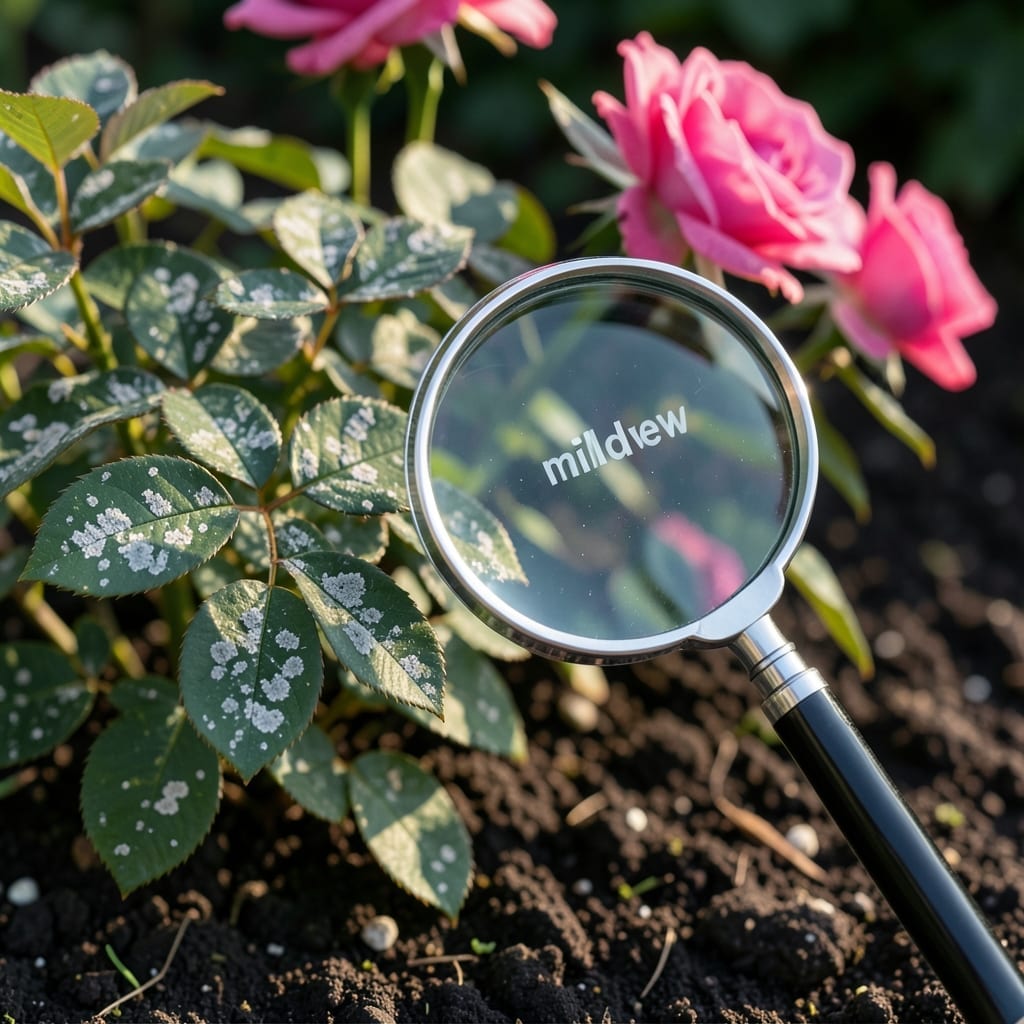
White powdery spots on your petals mean trouble. I’ve seen mildew spread overnight, turning healthy blooms into sad, spotted messes in days.
This fungus thrives in damp, still air—overwatering, crowded plants, or evening moisture are its favorite invitations. The good news? You can stop it before it ruins your garden.
Simple fixes work: prune affected areas, improve airflow, and apply natural sprays. I use a baking soda solution that clears it in 2-3 applications.
Catch it early and your flowers bounce back fast. Left alone, it’ll weaken plants and spread to neighbors.
Mildew on flowers thrives under specific conditions, often tied to environmental factors and plant care habits. Understanding the root causes helps prevent and manage outbreaks effectively.
Fungal spores, including powdery and downy mildew, require moisture to germinate and spread. Overwatering, poor drainage, or high humidity (above 60%) creates the perfect breeding ground. Flowers in poorly ventilated areas or those with dense foliage trap moisture, accelerating growth. Water plants at the base and avoid wetting leaves to reduce risk.
Mildew flourishes in moderate temperatures (60–80°F) with cool nights and warm days. Sudden temperature swings, especially in greenhouses or indoor settings, stress plants and weaken their defenses. Consistent temperatures and airflow disrupt this cycle.
Stagnant air allows spores to settle and multiply. Crowded plantings, thick canopies, or indoor setups without fans limit airflow, enabling mildew to take hold. Prune overgrown stems and space plants properly to improve ventilation.
Over-fertilizing with nitrogen promotes lush, soft growth that’s more susceptible to mildew. Conversely, potassium and phosphorus deficiencies weaken plant resistance. Use a balanced, slow-release fertilizer to maintain healthy, resilient blooms.
Some flowers, like roses, zinnias, and phlox, are genetically prone to mildew. If your garden features these, choose disease-resistant cultivars and monitor them closely for early signs of infection.
Tackling mildew on your flowers starts with identifying the type—powdery or downy—and then applying the right fix. Here’s how to restore your blooms to their vibrant best:
Crowded plants trap moisture, creating a mildew playground. Thin out dense foliage by pruning overlapping leaves or stems, especially in the center of the plant. Space potted flowers at least 6 inches apart. For indoor arrangements, use a small fan on low to keep air moving gently. Open windows in greenhouses or sunrooms for a few hours daily to reduce humidity.
Mildew thrives in damp conditions. Water at the base of the plant early in the day so leaves dry quickly in the sun. Avoid overhead sprinkling, and if you must, do it before 10 AM. For potted flowers, ensure containers have drainage holes and use a well-draining soil mix. If humidity is unavoidable (like in terrariums), opt for mildew-resistant varieties like marigolds or zinnias.
Cool nights and warm days encourage downy mildew. Move potted plants indoors or to a sheltered spot if nighttime temps drop below 60°F (15°C). For garden beds, use mulch to regulate soil temperature and reduce moisture evaporation, which can spike humidity. Shade cloth can also buffer extreme temperature shifts during heatwaves.
Prevention Tips:
Yes, mildew spores travel easily through air and water. Keep infected plants isolated and avoid touching healthy blooms after handling affected ones. Prune and dispose of mildewed leaves immediately to prevent further spread.
Apply treatments in the early morning so leaves dry quickly in sunlight. Evening applications can trap moisture overnight, worsening the problem. Always use treatments when rain isn’t forecast for at least 24 hours.
Varieties like snapdragons, marigolds, and asters are less prone to infection. Plant these in areas with poor airflow or high humidity for a low-maintenance, mildew-resistant garden.