
Beautiful Plants For Your Interior
Beautiful Plants For Your Interior
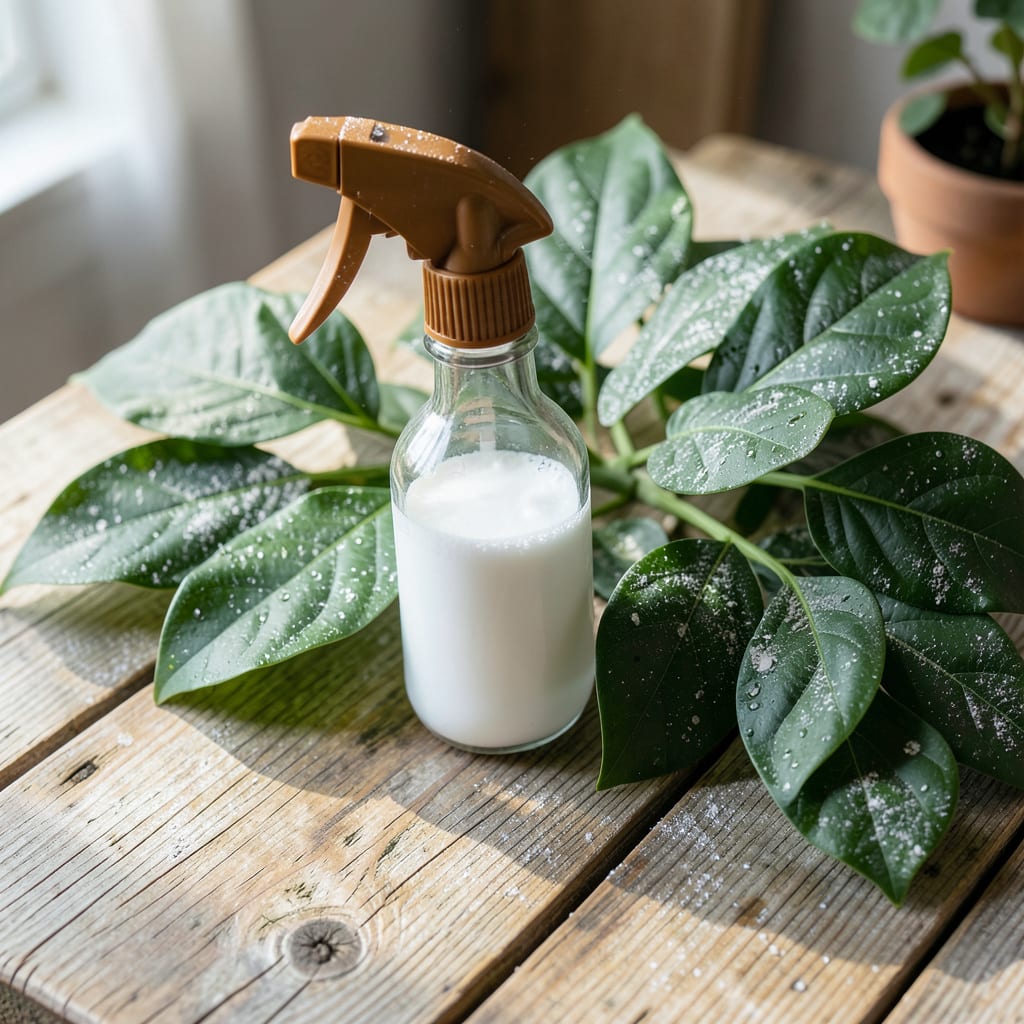
Downy mildew hit my cucumbers hard last season. I was ready to give up until I tried this simple spray.
Baking soda disrupts the fungal growth without harsh chemicals. It’s cheap, effective, and you probably already have it in your pantry. The key is mixing the right ratio and applying it consistently.
You’ll see results within a week—leaves stay green and healthy. No more yellowing or fuzzy patches spreading across your plants.
Works best as prevention, but it can stop early outbreaks too. Just don’t skip the soap—it helps the solution stick.
Downy mildew thrives under specific environmental and biological conditions. Understanding these triggers helps you prevent outbreaks before they start.
Downy mildew spores require free water to germinate. Prolonged leaf wetness—from rain, dew, or overhead irrigation—creates the perfect breeding ground. Humidity levels above 85% for 6+ hours accelerate spore production. Poor air circulation in dense plantings traps moisture, worsening the issue.
Unlike powdery mildew, downy mildew favors cooler temperatures (59–72°F / 15–22°C). Shaded areas with limited sunlight slow leaf drying, extending the wetness period spores need. Morning shade or greenhouses with poor ventilation are high-risk zones.
Some plants are genetically prone to downy mildew, including cucumbers, lettuce, grapes, and basil. Even resistant varieties can succumb if stressed by overcrowding, poor soil, or nutrient deficiencies. Young, rapidly growing tissues are especially vulnerable.
Downy mildew spreads through windborne spores or splashing water (e.g., rain or irrigation). Contaminated tools, soil, or infected plant debris can also introduce spores. Once established, the pathogen produces sporangia that release zoospores—mobile spores that swim in water films to infect new hosts.
Downy mildew can be stubborn, but a simple baking soda spray is an effective, natural solution. Below are targeted fixes for common scenarios, along with prevention tips to keep your plants healthy.
Fix: Mix 1 tablespoon baking soda, 1 teaspoon mild liquid soap (as a surfactant), and 1 gallon of water. Spray the mixture thoroughly on both sides of affected leaves, focusing on the undersides where downy mildew often hides. Reapply every 5–7 days or after rain.
Prevention: Improve air circulation by spacing plants properly and pruning dense foliage. Water at the base of plants to keep leaves dry.
Fix: Heavy rain can spread spores. After a storm, spray plants with the baking soda solution immediately to halt new growth. For severe cases, add 1 tablespoon of neem oil to the mix for extra fungal protection.
Prevention: Cover vulnerable plants with row covers during wet seasons, or grow resistant varieties like cucumbers with downy mildew resistance (e.g., ‘DMR 401’).
Fix: For large areas, use a backpack sprayer to apply the baking soda solution evenly. Remove and destroy (not compost) heavily infected plants to prevent further spread. Rotate crops next season to break the disease cycle.
Prevention: Clean up garden debris in fall, as downy mildew overwinters in dead plant matter. Solarize soil in affected beds by covering with clear plastic for 4–6 weeks in summer.
💡 Pro Tip: Always test the baking soda spray on a small area of the plant first to check for sensitivity. Apply in the early morning or late afternoon to avoid leaf burn from the sun.
Reapply every 5–7 days or after rain. Consistency is key to preventing new spore growth. Skip applications and the fungus may return.
Stick to mild liquid soap like castile or dish soap. Avoid harsh detergents that can damage leaves. The soap helps the solution stick to foliage.
Baking soda is generally safe for bees and ladybugs. Still, spray in the early morning when pollinators are less active to minimize risk.
Soap acts as a surfactant, helping the solution spread evenly and cling to leaves. Without it, the mixture may bead up and roll off.
