
Beautiful Plants For Your Interior
Beautiful Plants For Your Interior
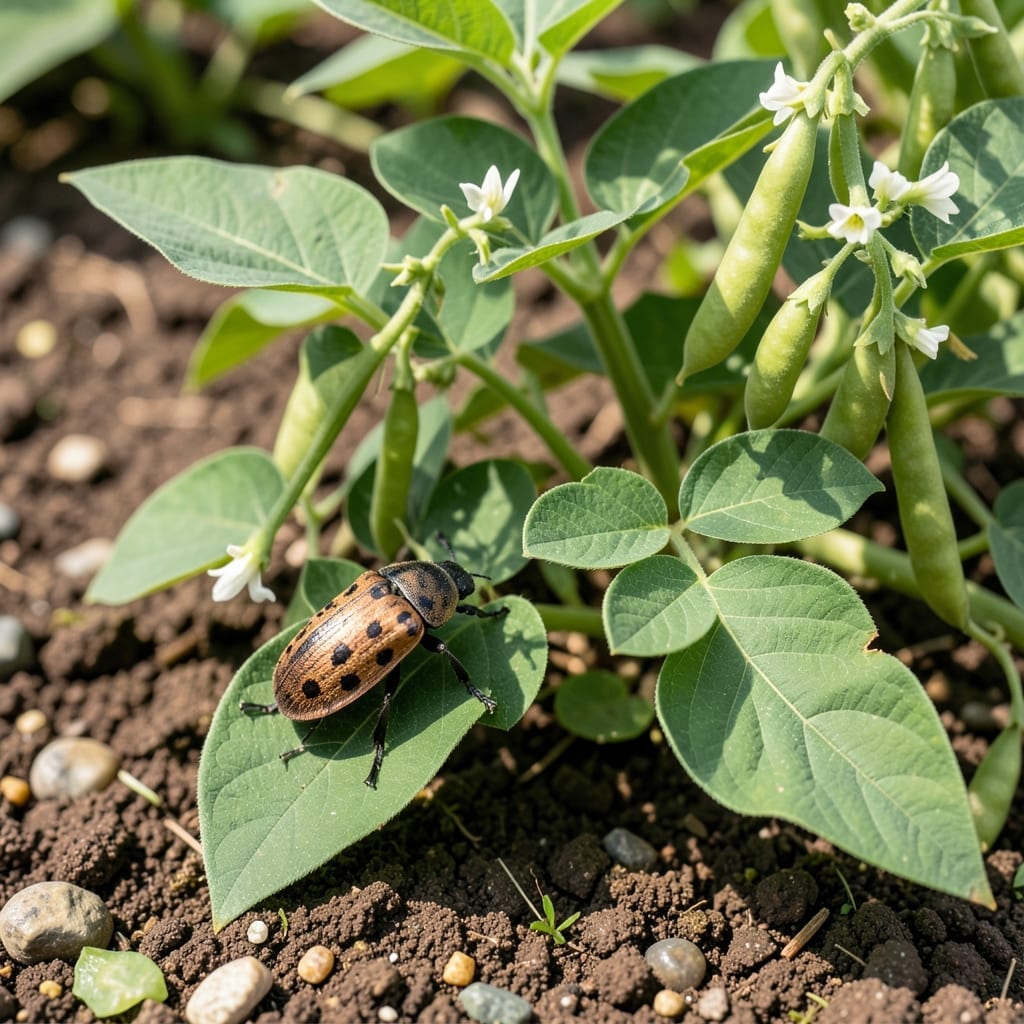
Tiny copper-colored beetles can destroy your bean crop in days. I first spotted them on my pole beans last July—leaves looked like lace by afternoon.
These pests start as yellow eggs on leaf undersides, then hatch into fuzzy orange larvae that do the real damage. Adults are easy to spot with their 1/4-inch oval bodies and 16 black spots.
Organic control works best if you catch them early. Hand-pick adults and larvae, drop them in soapy water. Row covers prevent new infestations.
Healthy plants recover faster. Rotate crops yearly and clean garden debris in fall to break their life cycle.
The arrival of Mexican bean beetles in your garden isn’t random—it’s driven by specific environmental and agricultural factors. Understanding these causes helps you disrupt their lifecycle before they wreak havoc on your crops.
These beetles thrive on legumes like beans, soybeans, and cowpeas. Monoculture gardens (growing large patches of a single crop) create an all-you-can-eat buffet for them. Diversifying plant types breaks their food chain, reducing their ability to multiply rapidly. Rotate crops yearly to starve out overwintering populations.
Mexican bean beetles prefer warm climates (75–85°F) with low humidity. Prolonged dry spells weaken plants, making them more vulnerable to beetle feeding. Consistent irrigation and mulching can mitigate stress on plants, while shade cloths in peak summer can deter beetles from laying eggs.
In undisturbed ecosystems, predators like spined soldier bugs and parasitic wasps keep beetle numbers in check. Overuse of broad-spectrum pesticides eliminates these allies, leaving beetles unchecked. Switch to targeted organic controls (e.g., neem oil) to preserve beneficial insects.
Adult beetles hibernate in leaf litter, weeds, and crop residue. Failing to clean up garden debris after harvest gives them a free winter hotel. Remove and compost plant debris in fall, and till soil to expose hidden pupae to predators and cold.
Dealing with Mexican bean beetle infestations requires a mix of immediate action and long-term prevention. Below are targeted solutions for common issues, paired with tips to keep your garden thriving.
Inspect your plants daily, especially the undersides of leaves, for orange-yellow adults and fuzzy yellow larvae. Drop them into a bucket of soapy water to eliminate them. Pro tip: 💡 Check in the early morning or late evening when beetles are less active.
Spray neem oil directly on beetles and larvae to disrupt their lifecycle. Mix 2 tbsp of neem oil with 1 gallon of water and a few drops of dish soap for better adhesion. Reapply every 5–7 days or after rain. Prevention: 🌱 Treat soil with neem cake to deter eggs from hatching.
Protect vulnerable plants with floating row covers to block adult beetles from laying eggs. Secure edges with soil or weights. Remove covers during flowering to allow pollination. Prevention: 🎯 Rotate crops yearly to break the beetle’s lifecycle.
Encourage beneficial insects like ladybugs, lacewings, and parasitic wasps, which prey on beetle eggs and larvae. Plant dill, fennel, or yarrow to attract them. Avoid broad-spectrum pesticides that harm these helpers.
Clear garden debris, especially after harvest, to eliminate overwintering sites. Prevention: ✨ Till soil in fall to expose pupae to freezing temperatures. Keep the garden clean to reduce hiding spots.
Combine these methods for the best results—consistency is key to keeping your garden beetle-free!
Look for skeletonized leaves with only veins remaining. Check undersides for yellow eggs or fuzzy orange larvae. Act fast—damage spreads quickly in warm weather.
Avoid broad-spectrum pesticides—they kill beneficial insects too. If needed, use pyrethrin-based sprays at dusk when bees are less active. Always follow label instructions carefully.
Interplant with garlic, onions, or marigolds to deter adults. Their strong scents confuse pests. Also try nasturtiums as a trap crop to lure beetles away.
They overwinter in garden debris. Remove all plant residue in fall and till soil to expose pupae. Rotate crops to disrupt their lifecycle.