
Beautiful Plants For Your Interior
Beautiful Plants For Your Interior
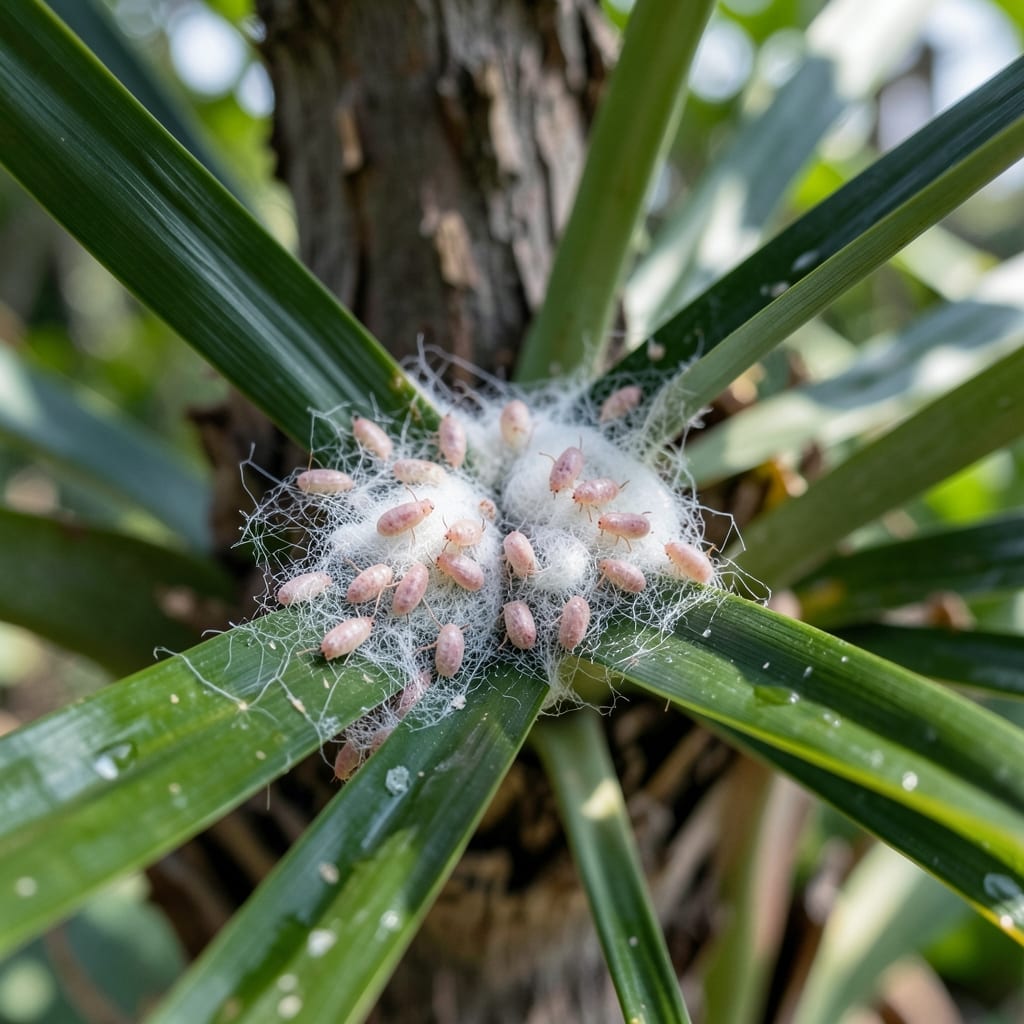
Those white cottony clusters on your sago palm aren’t just unsightly—they’re mealybugs sucking the life out of your plant. I’ve battled these pests enough to know they spread fast if ignored.
Left unchecked, they’ll weaken your palm, stunt its growth, and even kill it. The good news? You can spot them early and stop them in their tracks with the right approach. No fancy tools required.
I’ll walk you through exactly how to identify, treat, and prevent these invaders. Your sago palm will look healthy and vibrant again in no time.
Works for indoor and outdoor palms, and the solutions scale from one plant to a whole collection. Let’s get to it.
Mealybugs thrive on sago palms due to a combination of environmental, biological, and cultural factors. Understanding these triggers helps prevent and manage outbreaks effectively.
Dense plantings or cluttered garden spaces restrict airflow, creating a humid, stagnant environment where mealybugs flourish. Sago palms in shaded, congested areas are especially vulnerable. Improve spacing and prune nearby foliage to enhance ventilation.
Mealybugs are drawn to soggy soil and high humidity, which soften plant tissues and promote fungal growth—ideal conditions for these pests. Overwatered sago palms or those with poor drainage are prime targets. Adjust watering schedules to keep soil moist but not waterlogged.
In balanced ecosystems, ladybugs, lacewings, and parasitic wasps keep mealybug populations in check. However, pesticide overuse or isolated garden setups can eliminate these predators, allowing infestations to spiral. Introduce beneficial insects or reduce chemical treatments to restore equilibrium.
Mealybugs are sap-sucking pests that target tender, nutrient-dense areas like new fronds and leaf axils. Over-fertilizing sago palms, particularly with high-nitrogen feeds, produces succulent growth that attracts them. Use slow-release, balanced fertilizers to avoid creating a mealybug buffet.
Mealybugs often hitchhike on newly purchased or relocated plants. Sago palms placed near infested specimens (e.g., hiccups, scheffleras) are at high risk. Quarantine new plants for 2–3 weeks and inspect them thoroughly before introducing them to your garden.
Dealing with mealybugs on your sago palm is frustrating, but these practical solutions will help you regain control. Here’s how to tackle each cause and prevent future infestations:
If you spot mealybugs early, pick them off by hand or use a cotton swab dipped in rubbing alcohol (70% isopropyl) to wipe them away. Focus on the undersides of fronds and the crown where they love to hide.
Mix 1 tablespoon of mild liquid soap (like insecticidal soap) with 1 quart of water. Spray the solution directly onto the bugs, ensuring full coverage. Repeat every 4-7 days until the infestation clears. Pro tip: Test a small area first to avoid leaf burn! 💡
For heavy mealybug populations, use a systemic insecticide containing imidacloprid. Apply as a soil drench so the plant absorbs it, killing bugs as they feed. Follow label instructions carefully for safety and effectiveness.
Introduce beneficial insects like ladybugs or lacewings to your garden. They’ll naturally prey on mealybugs, keeping populations in check without chemicals.
With consistency, your sago palm will thrive pest-free! ✨
Look for white, cottony clusters in leaf axils and undersides. Unlike scale insects, mealybugs move slowly and leave behind a sticky residue called honeydew.
Yes, neem oil works well as a natural solution. Mix 2 tablespoons with 1 gallon of water and spray every 7-10 days. It disrupts their life cycle effectively.
If left untreated, severe infestations can weaken and eventually kill the plant. Early intervention with the methods above can save your palm.
Manual removal shows results immediately. Sprays like soap or neem oil may take 1-2 weeks to fully eliminate the pests. Persistence is key!