
Beautiful Plants For Your Interior
Beautiful Plants For Your Interior
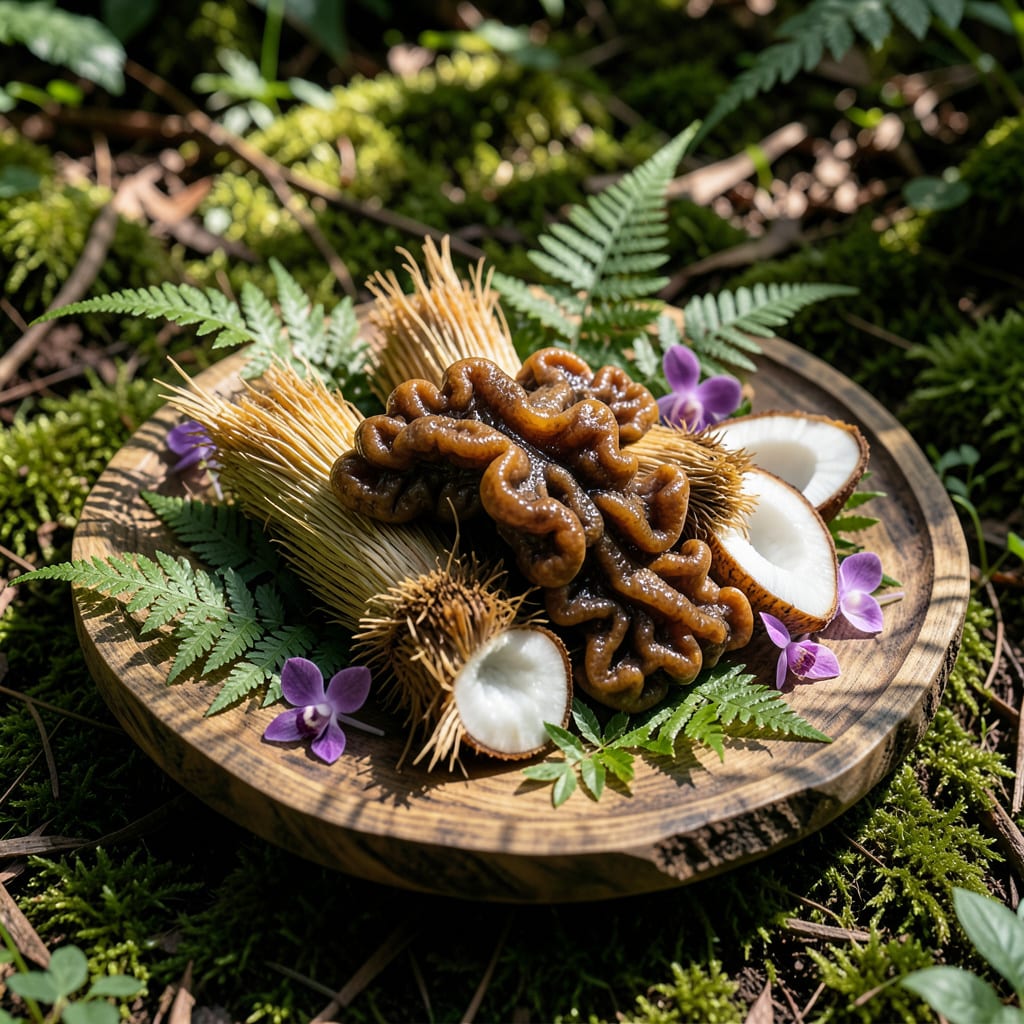
Spotted fronds on your sago palm mean trouble. I’ve dealt with this fungal menace more times than I care to admit, and early action saves the plant every time.
Overwatering and poor air circulation create the perfect breeding ground. Yellowing or brown lesions appear first, often spreading quickly if left unchecked. The good news? Organic solutions work better than harsh chemicals for these ancient plants.
With the right approach, you’ll see new healthy growth within weeks. Proper watering habits and simple fungicides stop the spread and prevent future outbreaks.
Works for indoor and outdoor sagos alike. Here’s how to diagnose and treat it effectively.
Fungal infections on sago palms (Cycas revoluta) often arise from specific environmental and cultural conditions. Here’s why it happens:
Sago palms thrive in well-draining soil, but overwatering or poor drainage creates a damp environment ideal for fungal spores. Standing water or consistently wet foliage (e.g., from overhead irrigation) allows pathogens like Phytophthora or Fusarium to take hold. Ensure soil dries slightly between waterings.
These palms prefer moderate humidity, but prolonged high humidity (especially in shaded, poorly ventilated areas) traps moisture on leaves and stems. Fungi such as Botrytis spread rapidly in such conditions. Improve air circulation by spacing plants and pruning dense foliage.
Fungal spores linger in decaying leaf litter or infected plant debris around the base of the palm. Failing to remove fallen fronds or contaminated soil invites reinfection. Regularly clear debris and sterilize tools to prevent spore spread.
Over-fertilization, particularly with high-nitrogen formulas, can weaken a sago palm’s natural defenses. Soft, rapid growth is more susceptible to fungal attacks. Use a balanced, slow-release fertilizer and avoid excess nitrogen.
Tackling fungus on your sago palm starts with identifying the issue and applying the right fixes. Below are targeted solutions for common fungal problems, paired with prevention tips to keep your plant thriving. 🌿
If you spot a white, powdery coating on the fronds, prune overcrowded foliage to boost air circulation. Then, spray the plant with a mix of 1 teaspoon baking soda, 1 quart of water, and a few drops of dish soap. Reapply every 7–10 days until the fungus clears. Prevention tip: Space sago palms at least 3–4 feet apart and water at the base to avoid wetting the leaves. 💡
Brown or black spots with yellow halos signal leaf spot fungus. Snip off infected fronds with sterilized pruners and discard them (don’t compost!). Treat the plant with neem oil or copper-based fungicide, following label instructions. Prevention tip: Avoid overhead watering and clean up fallen debris around the plant to reduce spores. ✨
Yellowing fronds and mushy roots? You’re likely overwatering. Stop watering immediately and let the soil dry out. If the pot lacks drainage, repot the palm in fresh, well-draining mix (add perlite or sand). Trim black, rotting roots with sterilized shears. Prevention tip: Water only when the top 1–2 inches of soil are dry, and ensure pots have drainage holes. 🎯
For all fungal issues, sterilize tools between uses with rubbing alcohol to avoid spreading spores. Consistent care and quick action will restore your sago palm’s health!
Look for yellowing fronds or brown lesions on the leaves. These often appear first and spread quickly if untreated. Early detection is key to saving the plant.
Improve air circulation by spacing plants 3-4 feet apart and avoid overhead watering. Always sterilize pruning tools and remove fallen debris promptly.
Neem oil works well for many fungal issues like leaf spot, but severe root rot may require repotting. For powdery mildew, a baking soda spray is often more effective.
If the roots are mushy and black, recovery is unlikely. For less severe cases, remove infected parts, treat with fungicide, and adjust care. Act fast for the best chance.
