
Beautiful Plants For Your Interior
Beautiful Plants For Your Interior
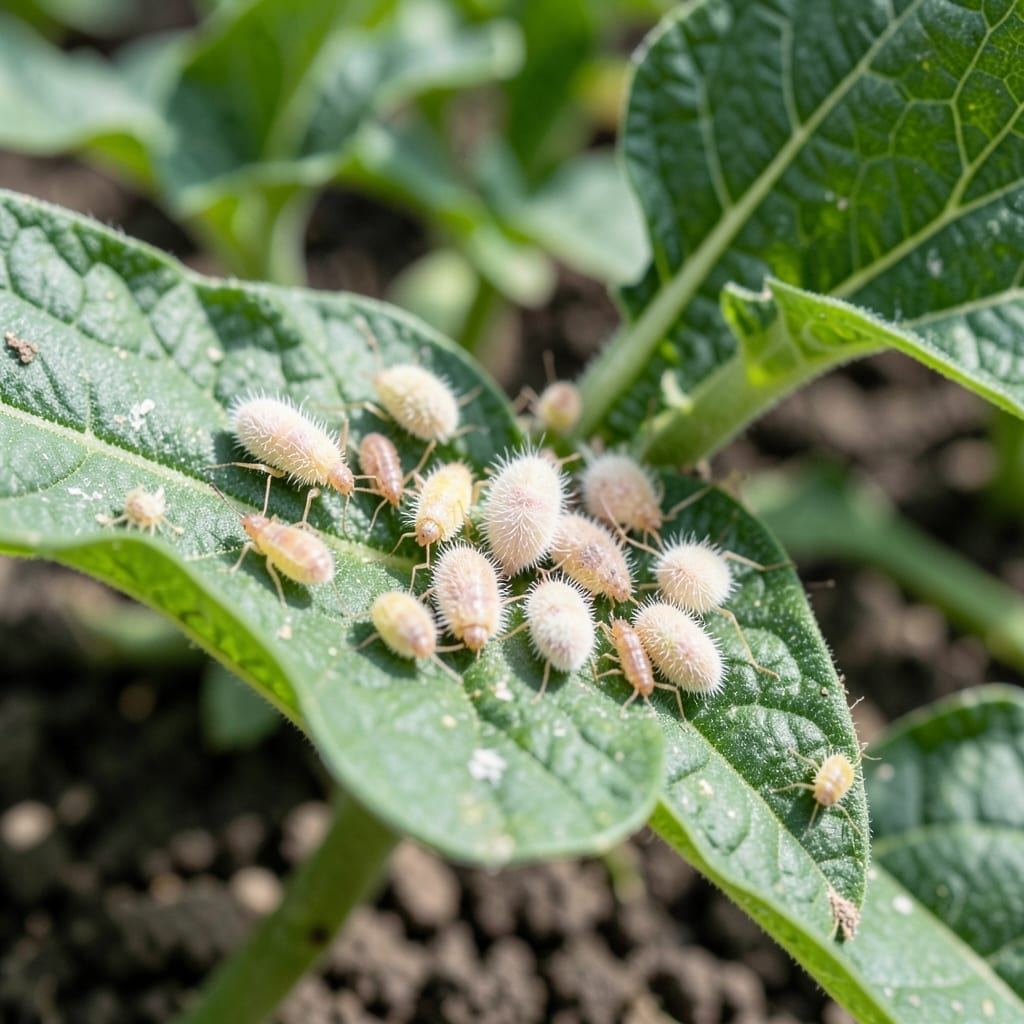
White cottony clusters on your potato leaves aren’t lint—they’re mealybugs. I first spotted them on my Yukon Golds last summer, and they spread faster than I expected.
These pests weaken plants by sucking sap, leading to stunted growth and yellowing leaves. Left unchecked, they’ll move from foliage to tubers, ruining your harvest before it even begins.
Here’s the thing—organic solutions work if you catch them early. A strong blast of water dislodges them, while neem oil or insecticidal soap breaks their life cycle without harsh chemicals.
Regular inspections, especially under leaves, keep infestations from taking hold. Healthy soil and proper spacing help your plants resist in the first place.
Mealybugs thrive on potatoes due to a combination of environmental and agricultural factors. Understanding these triggers helps prevent outbreaks and protect your crop. Below are the primary causes, explained in scientific terms.
Mealybugs proliferate in temperatures between 75–85°F (24–29°C) and low humidity. These conditions accelerate their reproductive cycle, allowing populations to explode. Potatoes grown in greenhouses or arid regions are especially vulnerable.
Weak or nutrient-deficient soil stresses potato plants, making them more susceptible to pests. Overuse of synthetic fertilizers can disrupt soil microbiota, reducing natural pest resistance. Organic matter and balanced pH levels (6.0–6.5) create an inhospitable environment for mealybugs.
Dense potato foliage limits airflow and sunlight penetration, creating a microclimate that mealybugs love. Proper spacing (12–15 inches between plants) improves ventilation and reduces hiding spots for pests.
Mealybugs flourish when their natural enemies—like ladybugs, lacewings, or parasitic wasps—are absent. Overusing broad-spectrum pesticides kills these beneficial insects, tipping the ecological balance in favor of pests.
Addressing these root causes through crop rotation, organic soil amendments, and integrated pest management (IPM) can significantly reduce mealybug infestations.
Mealybugs can be a nuisance, but with the right approach, you can restore your potato plants to health. Here’s how to tackle each issue effectively:
For small outbreaks, a soapy water solution works wonders. Mix 1 tablespoon of mild liquid soap with 1 quart of water and spray directly on the bugs. Repeat every 3-4 days until they’re gone. Neem oil is another great option—dilute it with water and apply weekly for prevention.
If the bugs have spread, start by pruning heavily infested leaves and disposing of them in sealed bags. Introduce yellow sticky traps to catch adult mealybugs, and consider releasing ladybugs or lacewings, natural predators that feed on them.
Prevent future outbreaks with these simple steps:
Pro tip 💡: Regularly check the undersides of leaves—early detection makes treatment much easier!
Look for white cottony clusters on stems and leaf undersides. Yellowing leaves or stunted growth also signal their presence. Check new growth weekly for best results.
Avoid broad-spectrum pesticides—they kill beneficial insects too. If needed, use targeted insecticidal soap or horticultural oil, following label instructions carefully for potato plants.
Yes, mealybugs move easily between plants. Isolate infested potatoes immediately and treat nearby vegetation. Companion planting with repellent herbs can help deter them.