
Beautiful Plants For Your Interior
Beautiful Plants For Your Interior
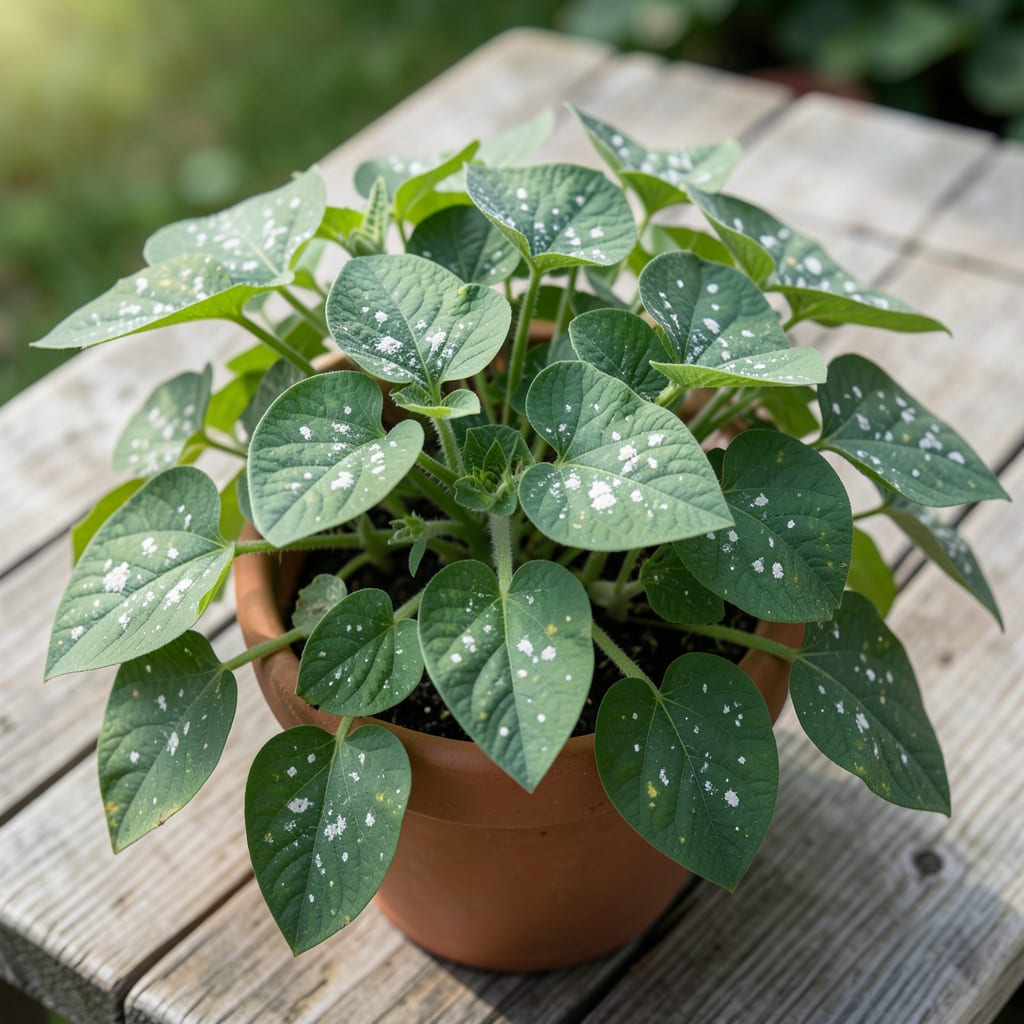
White spots on your potato leaves aren’t just unsightly—they’re a warning sign. I’ve seen these spots spread overnight, turning healthy plants into struggling ones if ignored.
Most cases boil down to powdery mildew, pests like aphids, or fungal infections. The fix starts with proper identification, so grab a magnifying glass and check for webbing, powder, or tiny bugs.
Organic solutions work surprisingly well here. Neem oil, baking soda sprays, or even removing affected leaves can stop the spread. Prevention is simpler: better airflow and consistent watering.
Catch it early, and your crop can still thrive. Wait too long, and you’re pulling plants before harvest. Let’s get ahead of this.
White spots on potato leaves often signal underlying issues that disrupt the plant’s health. Below are the most common causes, explained with actionable insights.
Early blight (Alternaria solani) and powdery mildew (Erysiphe cichoracearum) are frequent fungal culprits. These pathogens thrive in humid, warm conditions (70–80°F) and spread via spores. Early blight causes concentric white or tan spots with dark borders, while powdery mildew leaves a flour-like coating. Overhead watering and poor air circulation exacerbate these infections.
Spider mites and whiteflies feed on potato foliage, leaving behind stippled white patches or sticky residue (honeydew) that attracts sooty mold. Spider mites thrive in hot, dry weather, piercing cells to suck out sap, while whiteflies cluster on leaf undersides. Both pests weaken the plant, making it more susceptible to secondary infections.
Sun scald or heat stress can cause white, papery spots on leaves exposed to intense sunlight, especially after sudden temperature swings. Similarly, herbicide drift (e.g., glyphosate) may lead to bleached, irregular patches. These are non-infectious but indicate the need to adjust care practices, like providing shade or avoiding chemical overspray.
Calcium or magnesium deficiencies can manifest as interveinal white or yellow spots, often on older leaves first. Calcium is immobile in the plant, so new growth suffers first, while magnesium deficiency starts in lower leaves. A soil test can confirm imbalances, guiding targeted fertilization (e.g., calcium nitrate or Epsom salt).
Tackling white spots on potato leaves starts with identifying the cause and applying the right fix. Here’s a practical, cause-by-cause guide to restore your plants’ health.
Use a magnifying glass to check for tiny bugs or webbing, which indicate pests. Fungal spots often have powdery textures or dark borders. Pests move while fungal issues stay fixed on leaves.
Yes, if the tubers show no signs of rot or damage. Wash them thoroughly before use. However, remove and destroy severely affected foliage to prevent further spread.
Fungal infections can spread through airborne spores, so keep affected plants isolated. Pests can also move between plants, so treat the entire garden if infestations are confirmed.
Apply neem oil every 5–7 days or after rain. Spray in the evening to avoid harming beneficial insects like bees. Consistency is key for full pest control.
