
Beautiful Plants For Your Interior
Beautiful Plants For Your Interior
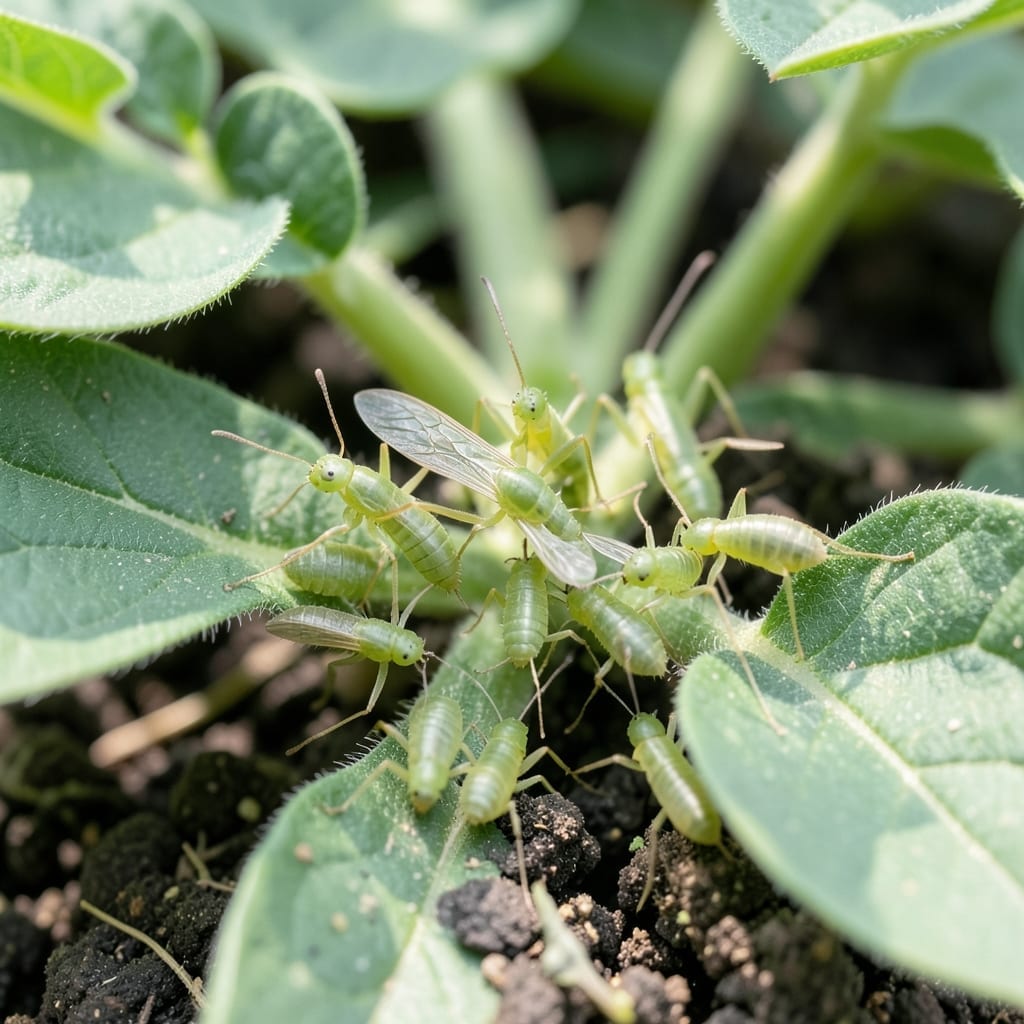
My potato plants looked healthy yesterday. Today, tiny green bugs cover the new growth. I’ve been there—aphids multiply fast, but they’re not invincible.
An organic spray can knock them down in 24 hours without harming the plant. The key is catching them early before they curl leaves and spread disease. I use a simple mix that’s safe for potatoes and the pollinators visiting my garden.
Prevention works even better. Companion plants like marigolds or catnip keep aphids away naturally. A little maintenance goes a long way in stopping them before they start.
This approach saves your harvest without chemicals. Works for any potato variety, any garden size.
Aphid infestations on potato plants don’t happen by chance—they’re driven by specific environmental and biological factors. Understanding these triggers helps you prevent outbreaks before they start. Here’s what’s really going on:
Potato plants growing too close together or under stress (from drought, poor soil, or nutrient deficiencies) emit chemical signals that attract aphids. Weak plants lack the vigor to fend off pests, making them easy targets. Action: Space plants 12–18 inches apart and ensure consistent watering to reduce stress.
Aphids thrive in temperatures between 60–80°F (15–27°C) with low humidity. Dry, still air accelerates their reproduction, leading to rapid colony growth. Action: Use overhead sprinklers to disrupt aphid clusters and increase humidity slightly during dry spells.
Ladybugs, lacewings, and parasitic wasps keep aphid populations in check. If these beneficial insects are absent—due to pesticide overuse or monoculture farming—aphids multiply unchecked. Action: Plant companion flowers like marigolds or dill to attract predator insects.
Aphids can overwinter in soil or hitchhike on contaminated seed potatoes. Even a few survivors can launch a new infestation. Action: Inspect and treat seed potatoes with a neem oil soak before planting, and rotate crops yearly to break the pest cycle.
Dealing with aphids on your potato plants doesn’t have to be a losing battle. Here’s how to tackle each cause with simple, effective fixes—and keep those pests from coming back.
If aphids are already clustering on leaves and stems, act fast. Mix 1 tablespoon of neem oil and 1 teaspoon of mild dish soap in a quart of water. Spray directly on aphids—early morning or late evening works best to avoid harming beneficial insects. For a quicker fix, insecticidal soap (ready-made or homemade) disrupts their cell membranes, killing them on contact.
Aphids target stressed plants. Boost your potatoes’ resilience by watering consistently at the base (avoid wetting leaves) and applying compost tea or balanced organic fertilizer every 2–3 weeks. Healthy plants resist pests better and recover faster.
💡 Pro Tip: Interplant with garlic, chives, or marigolds—their strong scents repel aphids naturally.
Encourage aphid predators like ladybugs, lacewings, and hoverflies. Plant dill, fennel, or yarrow nearby to attract them. Avoid broad-spectrum pesticides, which kill beneficial insects too. If needed, purchase live ladybugs from garden centers and release them at dusk.
Look for tiny green, black, or yellow insects clustering on new growth, leaf undersides, or stems. They leave behind a sticky residue called honeydew and cause leaves to curl or yellow.
Yes, a forceful blast from a hose can knock aphids off plants, especially in early infestations. Do this in the morning so leaves dry quickly. Repeat every 2-3 days until they’re gone.
A mix of 1 part white vinegar to 3 parts water with a drop of dish soap can kill aphids on contact. Test on a small area first, as vinegar may harm some potato varieties.
They can if their eggs overwinter in soil or on plant debris. Rotate crops, remove old plant material, and use companion plants like marigolds to break the cycle.