
Beautiful Plants For Your Interior
Beautiful Plants For Your Interior
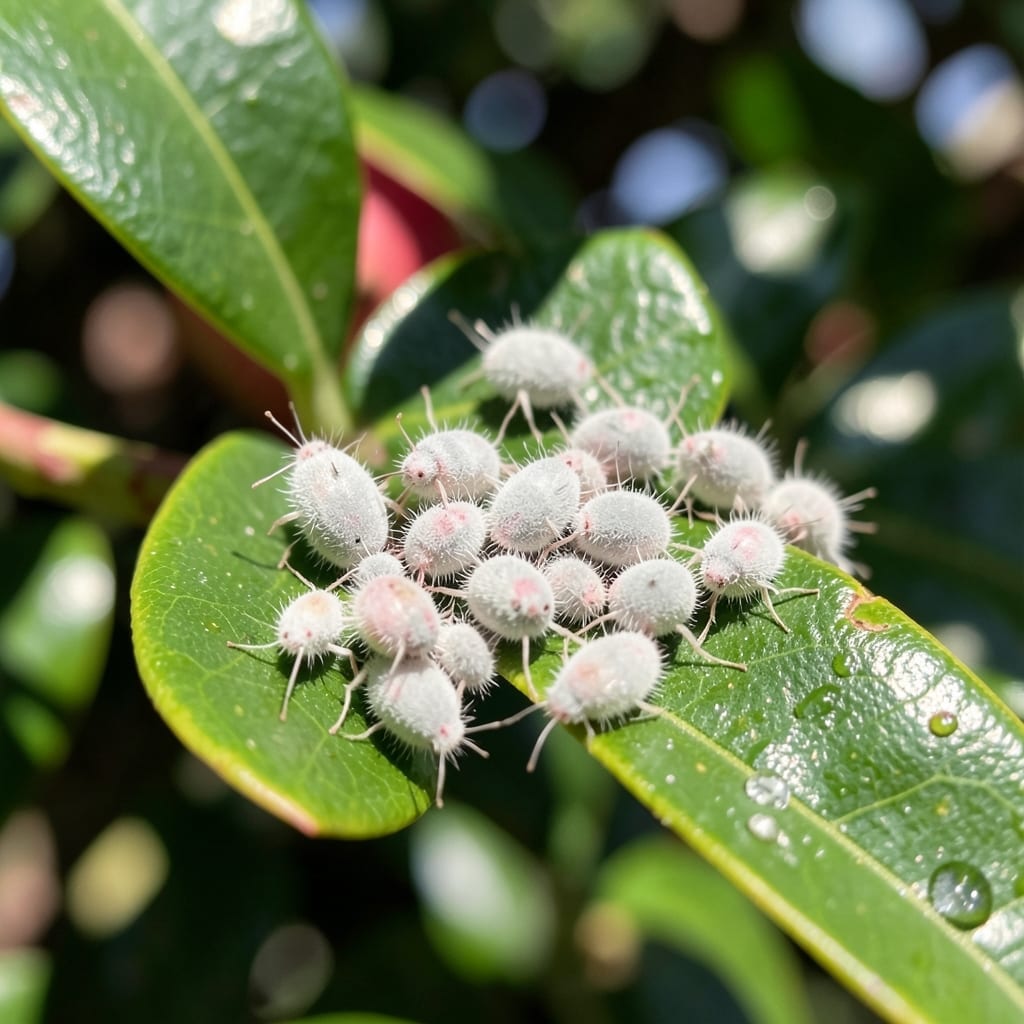
White cottony clusters on your pomegranate leaves mean trouble. These pests suck sap, weaken growth, and spread fast if ignored.
I lost two seasons of fruit before learning the organic tricks that work. A simple soap spray and vigilant inspection can stop them cold.
Within 48 hours of treatment, you’ll see the bugs disappearing. The plants bounce back stronger, with clean leaves and healthy new growth.
Prevention is easier than cure—keep an eye out and act at the first sign. Your pomegranates will thank you.
Mealybugs thrive on pomegranate trees due to specific environmental and cultural conditions. Understanding these triggers helps prevent infestations before they start.
Mealybugs proliferate in hot, arid environments (70–90°F), which are common in pomegranate-growing regions. Low humidity and high temperatures accelerate their reproductive cycle, allowing populations to explode rapidly. Drought-stressed trees are especially vulnerable, as weakened plants emit chemical signals that attract pests.
Dense foliage creates shaded, humid microclimates—ideal for mealybugs to hide and breed. Pomegranate trees with excessive suckers or unpruned branches lack airflow, trapping moisture and heat. This stagnation also hinders natural predators (like ladybugs) from reaching infested areas.
Over-fertilizing with high-nitrogen blends promotes lush, soft growth—a mealybug’s favorite food. These pests target tender new shoots and leaves, which are easier to pierce and sap-drain. Balancing fertilization with phosphorus and potassium strengthens plant cell walls, making them less appealing to pests.
Mealybug outbreaks often occur when beneficial insects (e.g., lacewings, parasitic wasps) are absent. Pesticide overuse or monoculture planting can wipe out these allies, leaving pomegranates defenseless. Introducing or preserving predator habitats (like native plants) restores ecological balance.
Tackling mealybugs on your pomegranate plants requires a mix of direct action and preventive care. Below are targeted solutions for common causes, along with tips to keep these pests from returning.
For small outbreaks, a soapy water solution works wonders. Mix 1 teaspoon of mild liquid soap (like Castile) with 1 liter of water and spray directly on the bugs. The soap breaks down their protective waxy coating, causing them to dehydrate. Reapply every 3–4 days until the infestation clears. For a stronger organic approach, use neem oil (2 tablespoons per gallon of water) and spray in the early morning or late evening to avoid leaf burn.
If mealybugs have spread widely, prune heavily infested branches and dispose of them in sealed bags to prevent re-infestation. Focus on areas with visible white cottony clusters. After pruning, treat the remaining plant with a 70% isopropyl alcohol solution on a cotton swab to dab and kill lingering bugs. Wear gloves and test the alcohol on a small leaf area first to check for sensitivity.
Prevent future attacks with these habits:
With consistent care, your pomegranate can stay mealybug-free and productive! ✨
Look for white cottony clusters in leaf axils, under leaves, or on fruit. Early signs include sticky honeydew or black sooty mold on leaves. Check weekly during warm months.
Yes! Dab 70% isopropyl alcohol on a cotton swab directly on bugs. Test on a small area first to check for leaf sensitivity. Works best for small, visible clusters.
They can if eggs survive. Reapply treatments every 3-4 days for 2 weeks to break their life cycle. Combine with pruning and debris removal for best results.
Neem oil mixed at 2 tablespoons per gallon works well. Spray in early morning or late evening to avoid harming bees. Always rinse fruit thoroughly before eating.