
Beautiful Plants For Your Interior
Beautiful Plants For Your Interior
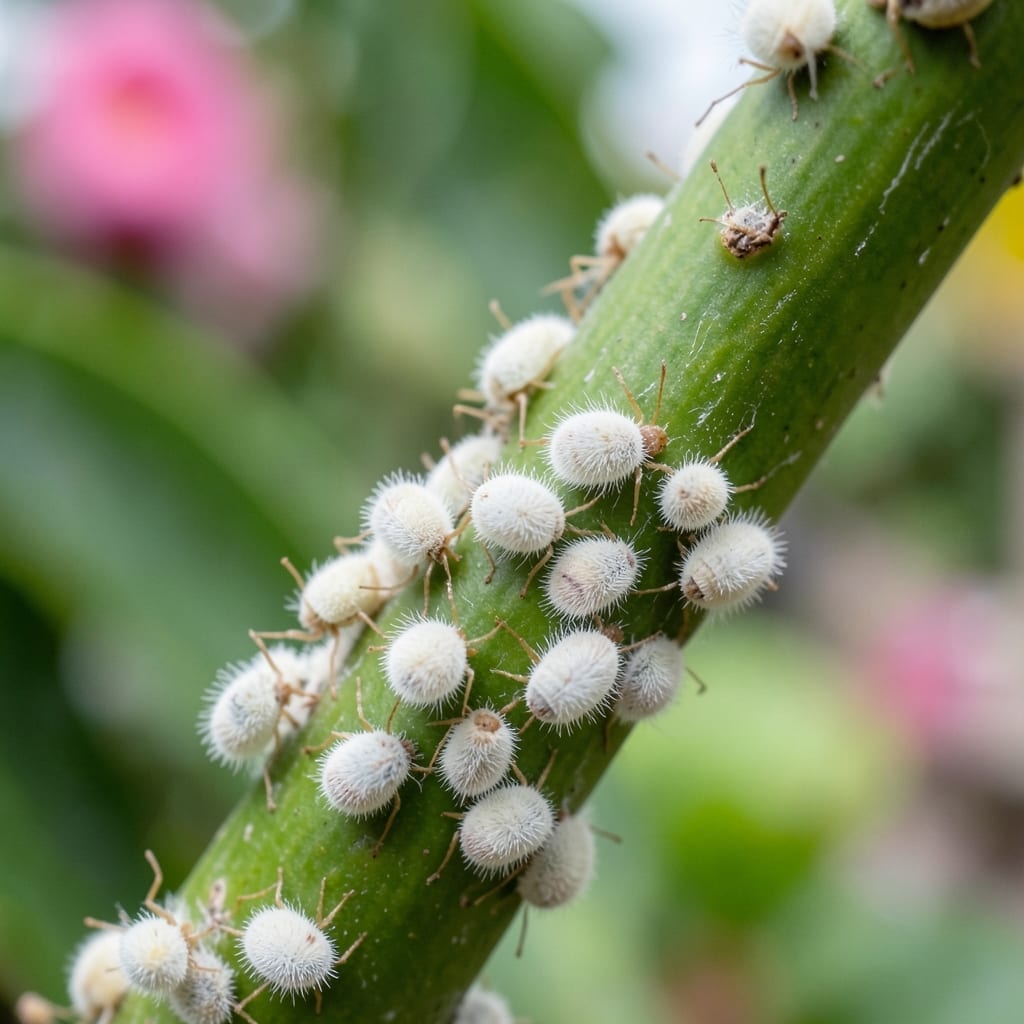
White fluff on your plumeria leaves means trouble. 🌿 Mealybugs spread fast, but I’ve stopped infestations in their tracks with simple, natural methods that protect your plant’s health and future blooms.
The key is catching them early—check leaf joints and stems where they hide. A cotton swab dipped in rubbing alcohol removes clusters instantly, and follow-up sprays keep them from returning.
Within a week, you’ll see new growth replacing damaged areas. The plant bounces back stronger when you address the root cause: overwatering or poor air circulation.
Works for potted or in-ground plumeria. Here’s how to keep them thriving without harsh chemicals.
Mealybugs thrive on plumeria due to a combination of environmental, biological, and cultural factors. Understanding these root causes helps you prevent infestations before they start.
Plumeria’s native tropical and subtropical habitats create the perfect breeding ground for mealybugs. These pests reproduce rapidly in temperatures between 70–90°F (21–32°C) and low humidity, which dries out the plant’s natural defenses. Drought-stressed plumeria emits volatile organic compounds that attract mealybugs, signaling a vulnerable host.
Plumeria grown in dense groupings or with poor air circulation suffer from reduced transpiration, creating humid microclimates under leaves—ideal for mealybug colonization. Additionally, over-fertilization (especially with nitrogen-heavy feeds) promotes soft, succulent growth that mealybugs prefer to pierce for sap.
In balanced ecosystems, predators like ladybugs, lacewings, and parasitic wasps keep mealybug populations in check. However, plumeria in potted environments, greenhouses, or urban gardens often lack these allies. Pesticide overuse can also kill off beneficial insects, leaving mealybugs unopposed.
Both underwatering and overwatering stress plumeria, making them susceptible. Dry soil weakens the plant, while soggy roots reduce oxygen uptake, limiting the plant’s ability to produce defensive chemicals. Mealybugs target stressed plants, as their sap flow is slower, making it easier for pests to feed undetected.
Tackle mealybugs on your plumeria with these targeted solutions. Early action prevents damage and keeps your plants thriving. 💡
For a few visible pests, use a cotton swab dipped in rubbing alcohol (70% isopropyl). Gently dab each mealybug to dissolve its protective waxy coating. Repeat every few days to catch new hatchlings. Prevention tip: Inspect leaves and stems weekly to catch infestations early.
Mix 1 tablespoon of dish soap + 1 quart of water + 1 tablespoon of vegetable oil. Spray the solution directly onto mealybugs, focusing on leaf axils and undersides. Reapply every 3-4 days until gone. Prevention tip: Avoid overwatering—mealybugs thrive in damp conditions.
Introduce ladybugs, lacewings, or parasitic wasps to your garden. These beneficial insects feed on mealybugs naturally. Purchase them from garden centers and release at dusk for best results. Prevention tip: Plant companion flowers like marigolds to attract predator insects.
Use neem oil or insecticidal soap for stubborn cases. Apply in the early morning or late evening to avoid harming pollinators. Follow product instructions for dilution and frequency. Prevention tip: Prune heavily infested branches and dispose of them in sealed bags to prevent spread.
Pro Tip: Always isolate new plumeria plants for 2-3 weeks to prevent introducing pests to your garden. ✨
Inspect your plumeria weekly during warm months. Focus on leaf joints and stem crevices where they hide. Early detection prevents major infestations.
Yes! A cotton swab dipped in rubbing alcohol removes visible bugs instantly. For larger areas, mix 1 tablespoon dish soap + 1 quart water as a spray.
Mealybugs return due to hidden eggs or untreated areas. Always reapply treatments every 3-4 days to break their life cycle. Improve air circulation to discourage them.
Natural methods like neem oil or soap sprays are safe when used as directed. Avoid harsh chemicals that may damage leaves or blooms. Test on a small area first.