
Beautiful Plants For Your Interior
Beautiful Plants For Your Interior
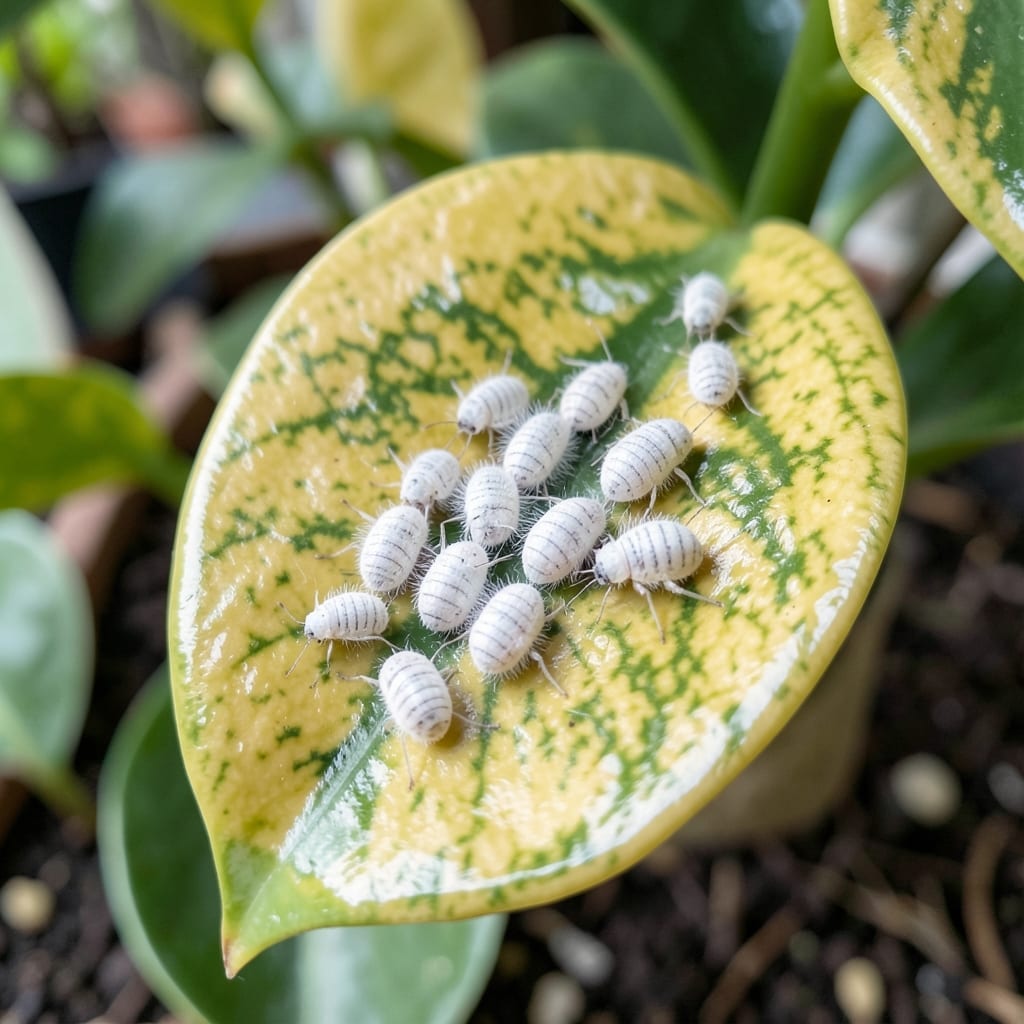
White fluff in the leaf joints and sticky residue on your jade plant means mealybugs have moved in. I spotted the same cottony clusters on my money plant last spring and knew I had to act fast.
These pests spread quickly, sucking sap and weakening plants. The good news? They’re easy to spot early and even easier to treat with the right approach. You’ll need just a few household items to start.
Within a week of treatment, new growth looks cleaner and healthier. The key is consistency—check leaves and stems regularly to catch any stragglers before they multiply.
Works for all succulents, not just jade. Here’s how to reclaim your plant without harsh chemicals.
Mealybugs thrive on money plants (often called jade plants) due to a mix of environmental and plant-health factors. Below are the primary causes, explained scientifically to help you prevent infestations.
Money plants are succulents and prefer dry soil. Overwatering leads to excessive moisture in the soil and foliage, which attracts mealybugs. These pests favor humid environments, and soggy roots weaken the plant, making it more susceptible to infestation. Action: Water only when the top 1-2 inches of soil are dry.
Stagnant air traps humidity around the plant, creating a haven for mealybugs. Dense foliage or crowded placements (e.g., near other plants) limit airflow, encouraging pest settlement. Action: Space plants apart and ensure gentle air movement with a fan or open window.
Stressed or nutrient-deficient money plants emit chemical signals that attract pests like mealybugs. Lack of sunlight, improper soil pH, or insufficient fertilizing can weaken the plant’s natural defenses. Action: Provide 4-6 hours of bright, indirect light daily and use a balanced succulent fertilizer.
Mealybugs can hitchhike into your home via infected soil or unsterilized gardening tools. Reusing potting mix or containers without cleaning may introduce eggs or nymphs. Action: Use fresh, sterile soil and disinfect tools with rubbing alcohol.
Money plants exposed to temperature fluctuations (below 50°F or above 90°F) become stressed, making them vulnerable. Mealybugs exploit this weakness to colonize. Action: Maintain consistent temperatures between 65-75°F.
Dealing with mealybugs on your money plant doesn’t have to be a losing battle. Here’s how to tackle the most common causes and restore your plant’s health with practical, easy-to-follow solutions.
Mealybugs thrive in damp conditions. If overwatering is the culprit, stop watering immediately and let the top 1-2 inches of soil dry out completely. Repot the plant in fresh, well-draining soil if the roots are waterlogged or rotting. Prevention tip: 💡 Water only when the soil feels dry to the touch.
Stagnant air encourages mealybug growth. Move your money plant to a spot with better airflow, like near an open window or a gentle fan. If it’s part of a dense plant grouping, separate it to reduce humidity buildup. Prevention tip: 🌡️ Keep a small fan running nearby for consistent airflow.
For visible mealybugs, dab them with a cotton swab soaked in rubbing alcohol (70% isopropyl) to kill them on contact. For larger infestations, spray the plant with a mixture of 1 tsp neem oil + 1 tsp dish soap + 1 liter of water every 3-5 days until they’re gone. Prevention tip: ✨ Inspect new plants before bringing them near your money plant to avoid spreading pests.
A stressed plant is more vulnerable. Fertilize lightly with a balanced, water-soluble fertilizer to boost its defenses, but avoid over-fertilizing, which can attract pests. Ensure it gets bright, indirect light for at least 6 hours a day. Prevention tip: 🎯 Wipe leaves regularly with a damp cloth to remove dust and deter pests.
Look for cottony white clusters in leaf joints or under leaves. Unlike powdery mildew, they’ll feel slightly sticky and may leave a residue on surfaces below the plant.
Avoid vinegar—it’s too harsh for money plants and can damage leaves. Stick with rubbing alcohol or neem oil for safe, effective treatment without harming your plant.
They hide in soil or nearby plants. Check all nearby greenery and repot your money plant in fresh soil. Isolate it for 2-3 weeks to break the cycle.
Rarely, but they weaken it over time. Act fast with treatment, and your plant should recover within 2-4 weeks. Keep it isolated until fully pest-free.