
Beautiful Plants For Your Interior
Beautiful Plants For Your Interior
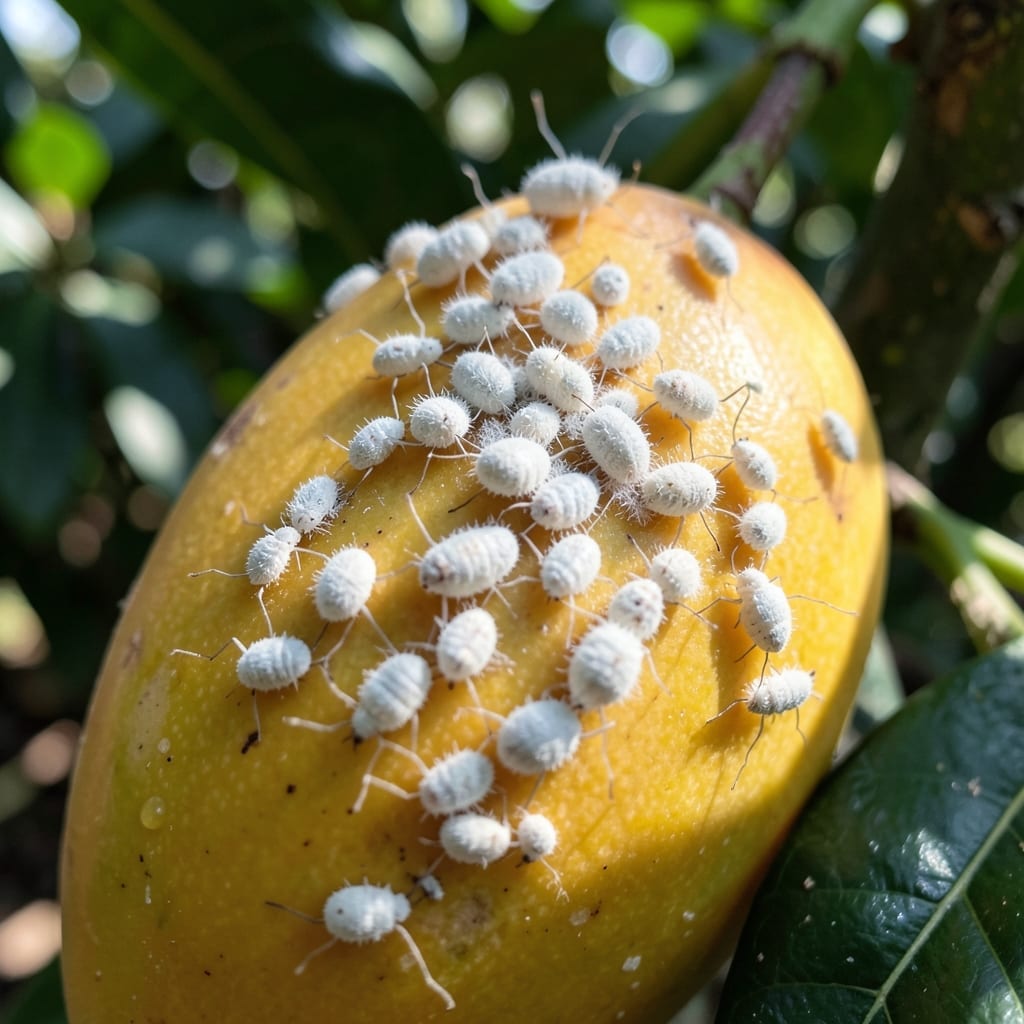
White cottony clusters on your mango leaves mean mealybugs have moved in. I first spotted them on my prized tree last summer, and ignoring them cost me half my fruit that season.
These pests suck plant sap, weakening growth and spreading sooty mold. They love dry conditions and crowded branches where they can hide undetected. Left unchecked, they’ll stunt your tree and ruin your harvest.
Natural treatments work best—neem oil, insecticidal soap, and ladybugs are my go-to defenses. A daily spray for a week breaks their life cycle without harsh chemicals.
Prevention is simpler than cure: keep your tree pruned for airflow, water at the base, and inspect new growth weekly. Early action saves your mango crop.
Mealybugs thrive on mango trees due to a combination of environmental, biological, and cultural factors. Understanding these triggers helps in preventing and managing outbreaks effectively.
Mealybugs love tropical and subtropical conditions—exactly where mangoes grow best. Temperatures between 70–90°F (21–32°C) and high humidity (above 60%) create the perfect breeding ground. These conditions accelerate their life cycle, allowing populations to explode rapidly.
Dense foliage and poor air circulation trap moisture, which mealybugs adore. Unpruned mango trees with overlapping branches provide shelter and shade, shielding these pests from predators and sunlight. Regular pruning disrupts their habitat and reduces infestation risks.
Excess nitrogen fertilization promotes soft, succulent growth—a mealybug favorite. Meanwhile, deficiencies in potassium or phosphorus weaken the tree’s natural defenses. A balanced fertilizer (e.g., 10-10-10 NPK) strengthens the tree’s resilience.
In healthy ecosystems, ladybugs, lacewings, and parasitic wasps keep mealybug populations in check. However, overuse of broad-spectrum pesticides kills these beneficial insects, leaving mango trees vulnerable. Opt for targeted treatments (e.g., neem oil) to preserve predator populations.
Mealybugs often hitchhike on newly purchased plants, tools, or even workers’ clothing. Quarantine new mango saplings for 2–3 weeks and inspect them thoroughly before introducing them to your orchard. Sterilize pruning tools with 70% isopropyl alcohol between uses.
Mealybugs can be stubborn, but these targeted solutions will help you reclaim your mango tree. Address each issue with simple, natural fixes and keep your plants thriving.
If mealybugs have taken over large areas, start by pruning heavily infested branches with sterilized shears. Remove leaves, fruits, or stems covered in white cottony clusters and dispose of them in sealed bags—not compost—to prevent spread. Isolate the affected plant to protect others nearby.
For smaller outbreaks, mix 1 tablespoon of mild liquid soap (like Castile) with 1 quart of water. Spray directly onto mealybugs, focusing on undersides of leaves and stem joints. The soap breaks down their protective waxy coating, causing them to dehydrate. Reapply every 3–4 days until gone.
Encourage or introduce natural enemies like ladybugs, lacewings, or parasitic wasps. These predators feed on mealybugs and provide long-term control. Plant companion flowers like marigolds or alyssum to attract them to your garden.
Prevention is easier than cure. Regularly inspect your mango tree, especially new growth and leaf axils. Avoid over-fertilizing with nitrogen, which attracts mealybugs. Instead, use balanced organic fertilizers and ensure good air circulation around the plant.
💡 Pro Tip: Wipe down leaves with a damp cloth every few weeks to remove dust and early pests before they settle in.
Look for white cottony clusters on leaves, stems, or fruit. Leaves may turn yellow or drop prematurely. A sticky residue called honeydew often appears, leading to sooty mold growth.
Yes, they spread easily via wind, animals, or gardening tools. Isolate infested plants immediately. Regularly clean tools with 70% isopropyl alcohol to prevent cross-contamination.
They can work but often kill beneficial insects too. Natural solutions like neem oil or insecticidal soap are safer. Always test on a small area first to avoid plant damage.
Check weekly during warm months, focusing on new growth and leaf axils. Early detection makes treatment easier. Catching them early prevents major outbreaks.