
Beautiful Plants For Your Interior
Beautiful Plants For Your Interior
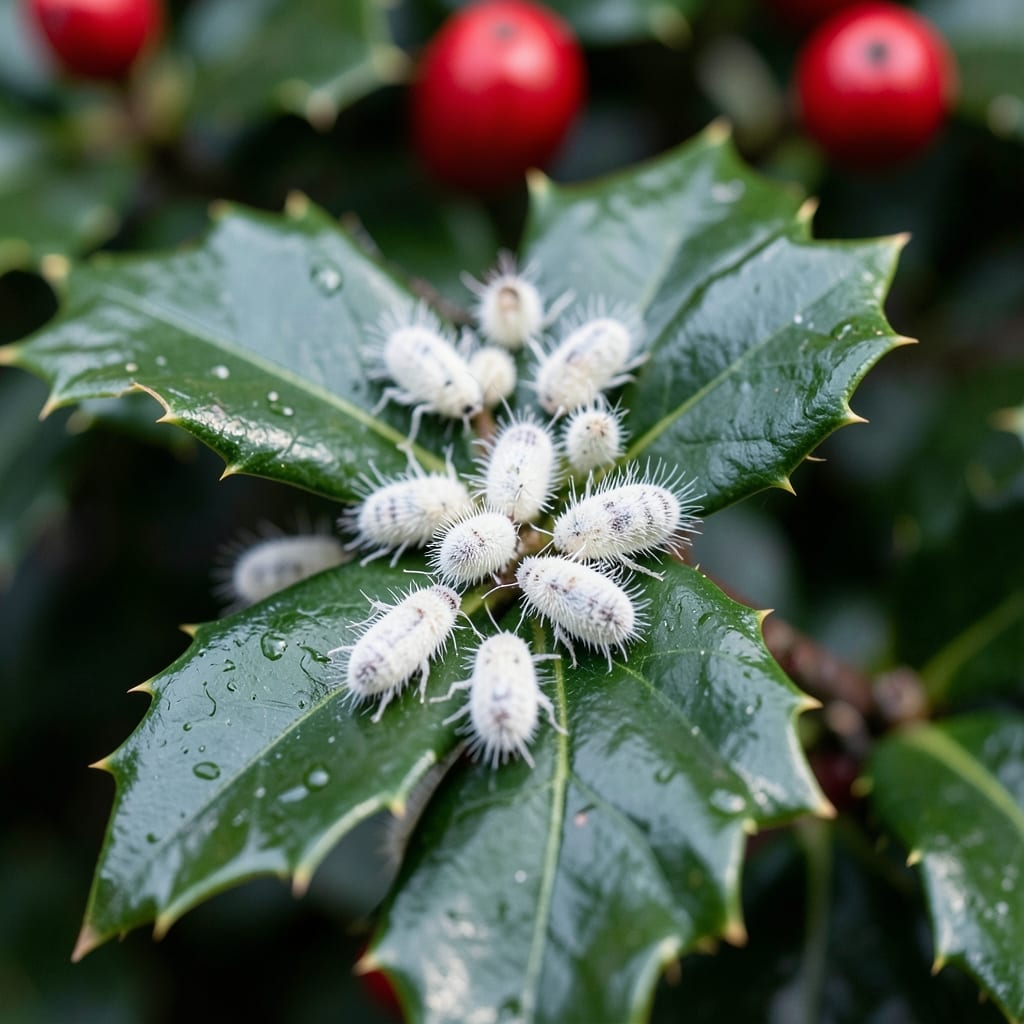
White fluff on your holly leaves means trouble. 🌿 Mealybugs turn glossy green into sticky messes overnight, but I’ve stopped their spread with targeted organic methods that restore health without harsh chemicals.
These pests love holly’s dense foliage, hiding where sprays can’t reach. My approach combines direct treatment with systemic support—boosting the plant’s natural defenses while wiping out the infestation at its source.
Within 2-3 weeks, you’ll see new growth returning, leaves regain their deep green, and the white cottony clusters disappear. The holly not only survives but comes back stronger and more resistant.
Works for established bushes and new plantings alike. Here’s how to reclaim your holly’s lush, vibrant look.
Mealybugs thrive on holly bushes due to a mix of environmental, biological, and cultural factors. Understanding these causes helps you prevent and address infestations effectively. Below are the primary reasons why these pests appear on your holly plants.
Excess moisture creates an ideal breeding ground for mealybugs. Holly bushes planted in soggy or waterlogged soil are more susceptible because the pests favor humid, damp conditions. Overwatering also stresses the plant, reducing its natural defenses against insects.
Dense foliage or crowded planting limits airflow, which traps humidity around the holly bush. Mealybugs love stagnant, humid microclimates. Pruning to improve ventilation and spacing plants properly can significantly reduce infestation risks.
In a balanced ecosystem, beneficial insects like ladybugs, lacewings, and parasitic wasps keep mealybug populations in check. If these predators are missing—due to pesticide use or an unbalanced garden—mealybugs multiply unchecked.
Holly bushes under stress from nutrient deficiencies, drought, or disease are more vulnerable to mealybug attacks. Healthy plants produce natural chemicals that deter pests, so maintaining soil fertility and proper care strengthens their resistance.
Mealybugs can hitch a ride on infected soil, gardening tools, or newly purchased plants. Always sterilize tools and inspect new additions to your garden to prevent accidental introductions.
Mealybugs can be stubborn, but these targeted solutions will help you reclaim your holly bushes. Address the issue early for the best results.
For small outbreaks, prune heavily infested areas with clean shears and dispose of the debris in sealed bags. Then, dab individual bugs with a cotton swab soaked in 70% isopropyl alcohol to dissolve their protective waxy coating. Repeat every few days until gone.
Mix 1 tablespoon of mild liquid soap and 1 tablespoon of vegetable oil in a quart of water. Spray thoroughly on both sides of leaves, focusing on hidden crevices where mealybugs cluster. Reapply every 5–7 days for 2–3 weeks. Neem oil (mixed per label instructions) also disrupts their life cycle—apply in the early morning or late evening to avoid leaf burn.
Release ladybugs, lacewings, or parasitic wasps (like Cryptolaemus montrouzieri) into your garden. These natural predators feed on mealybugs and provide long-term control. Order them from reputable suppliers and follow release guidelines for best results.
Consistency is key! Combine methods for the best defense against these sap-sucking pests.
Look for white cottony clusters in leaf axils or under leaves. You may also notice sticky honeydew or black sooty mold on foliage before seeing the bugs themselves.
Yes, removing heavily infested branches reduces their numbers. Always dispose of pruned material in sealed bags, not compost, to prevent spread.
No, regular soap may harm plants. Use mild liquid soap like castile soap at 1 tablespoon per quart of water for safe application.
For natural sprays, reapply every 5–7 days for 2–3 weeks to break the mealybug life cycle. Consistency is crucial for full eradication.