
Beautiful Plants For Your Interior
Beautiful Plants For Your Interior
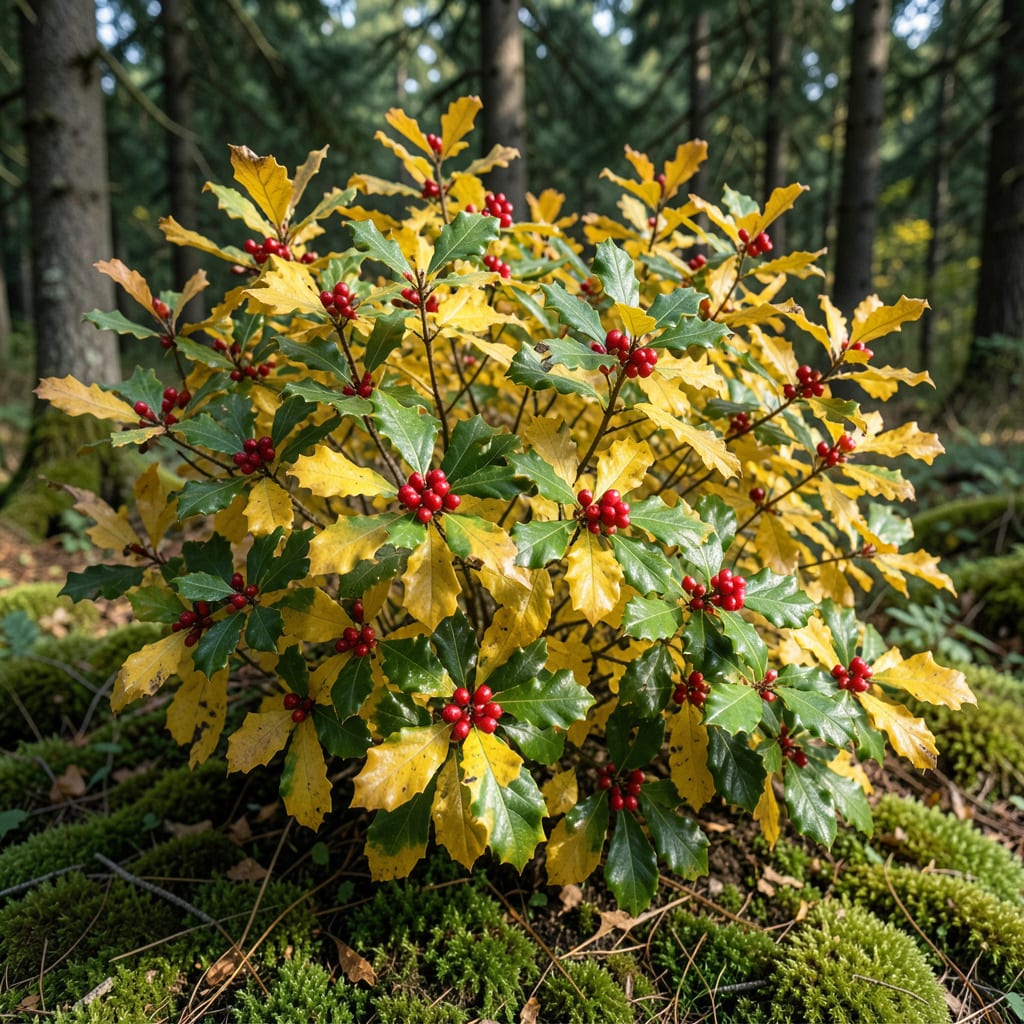
My holly bush looked like it was on its last legs last summer. The leaves turned a sickly yellow overnight, and I panicked. Turns out, it wasn’t doomed—just starving for the right nutrients.
Most yellowing comes from nitrogen deficiency or iron shortage, but overwatering or pests can mimic the same symptoms. I learned to check the soil first—if it’s soggy or bone-dry, that’s your clue. A simple soil test cleared up the mystery in 24 hours.
Once I adjusted the fertilizer and fixed the drainage, new growth came in deep green within weeks. The recovery was faster than I expected, and the bush looked better than ever by fall.
Don’t assume it’s a lost cause. With the right steps, even a sad-looking holly can bounce back stronger than before.
A holly bush turning yellow is often a sign of underlying stress. Below are the most common causes, each with clear, science-backed explanations to help you diagnose the issue.
Yellowing leaves, or chlorosis, frequently result from a lack of essential nutrients like iron, nitrogen, or magnesium. Iron deficiency, for example, interrupts chlorophyll production, leading to yellow leaves with green veins (interveinal chlorosis). Nitrogen deficiency causes uniform yellowing, starting with older leaves. A soil test can confirm which nutrient is lacking.
Holly bushes prefer well-draining soil. Excess water or compacted soil suffocates the roots, reducing their ability to absorb oxygen and nutrients. This stress manifests as yellowing leaves, often accompanied by wilting or root rot. Check soil moisture 2 inches deep—if it’s soggy, improve drainage or adjust your watering schedule.
Fungi like Phytophthora or Pythium thrive in wet conditions and attack the roots, causing yellowing foliage and stunted growth. Look for dark, water-soaked spots on the bark or roots. Fungicides and better air circulation can help, but prevention (proper spacing, avoiding overhead watering) is key.
Sap-sucking pests such as spider mites, scale insects, or aphids drain the plant’s resources, leading to yellowing leaves. Inspect the undersides of leaves for webbing, sticky residue (honeydew), or visible pests. Treat with horticultural oil or insecticidal soap for early infestations.
Tackling a yellowing holly bush starts with identifying the root cause and applying the right fix. Below are targeted solutions for common issues, paired with prevention tips to keep your holly vibrant. 🌿
Fix: Reduce watering frequency and ensure the soil drains well. If the holly sits in soggy soil, amending with compost or sand can improve drainage. For potted hollies, use containers with drainage holes.
Prevention: Water only when the top 1-2 inches of soil feel dry. Mulch around the base to retain moisture without waterlogging.
Fix: Apply a balanced, slow-release fertilizer (e.g., 10-10-10) in early spring. For iron deficiency (common in alkaline soils), use chelated iron or sulfur to lower pH. Yellowing between leaf veins often signals this issue.
Prevention: Test soil pH annually (aim for 5.0–6.0 for hollies). Top-dress with organic matter like pine bark to maintain acidity.
Fix: Inspect leaves for spider mites, scale, or aphids. Blast pests off with a strong water spray or apply horticultural oil/neem oil. For severe cases, use insecticidal soap.
Prevention: Encourage beneficial insects (e.g., ladybugs) and avoid over-fertilizing, which attracts pests.
Fix: If leaves scorch in extreme sun, provide afternoon shade with a shade cloth. For cold damage, prune dead branches and mulch heavily before winter.
Prevention: Plant hollies in locations with dappled sunlight or consistent moisture. Use windbreaks in exposed areas.
Fix: Remove infected leaves and improve air circulation. Apply a copper-based fungicide for issues like leaf spot. Avoid overhead watering to reduce humidity.
Prevention: Space plants 4–6 feet apart and water at the base. Clean up fallen debris to prevent spores from spreading.
💡 Pro Tip: Always sterilize pruning tools with rubbing alcohol between cuts to avoid spreading disease!
Water when the top 1-2 inches of soil feel dry. Overwatering is a common cause of yellowing, so always check soil moisture first.
Once leaves turn yellow, they won’t regain their green color. Focus on correcting the underlying issue to support new, healthy growth.
Use a balanced, slow-release fertilizer like 10-10-10 in early spring. If iron deficiency is suspected, apply chelated iron to restore vibrancy.
Inspect leaves regularly for pests like spider mites or aphids. Encourage beneficial insects and avoid over-fertilizing, which can attract pests.
