
Beautiful Plants For Your Interior
Beautiful Plants For Your Interior
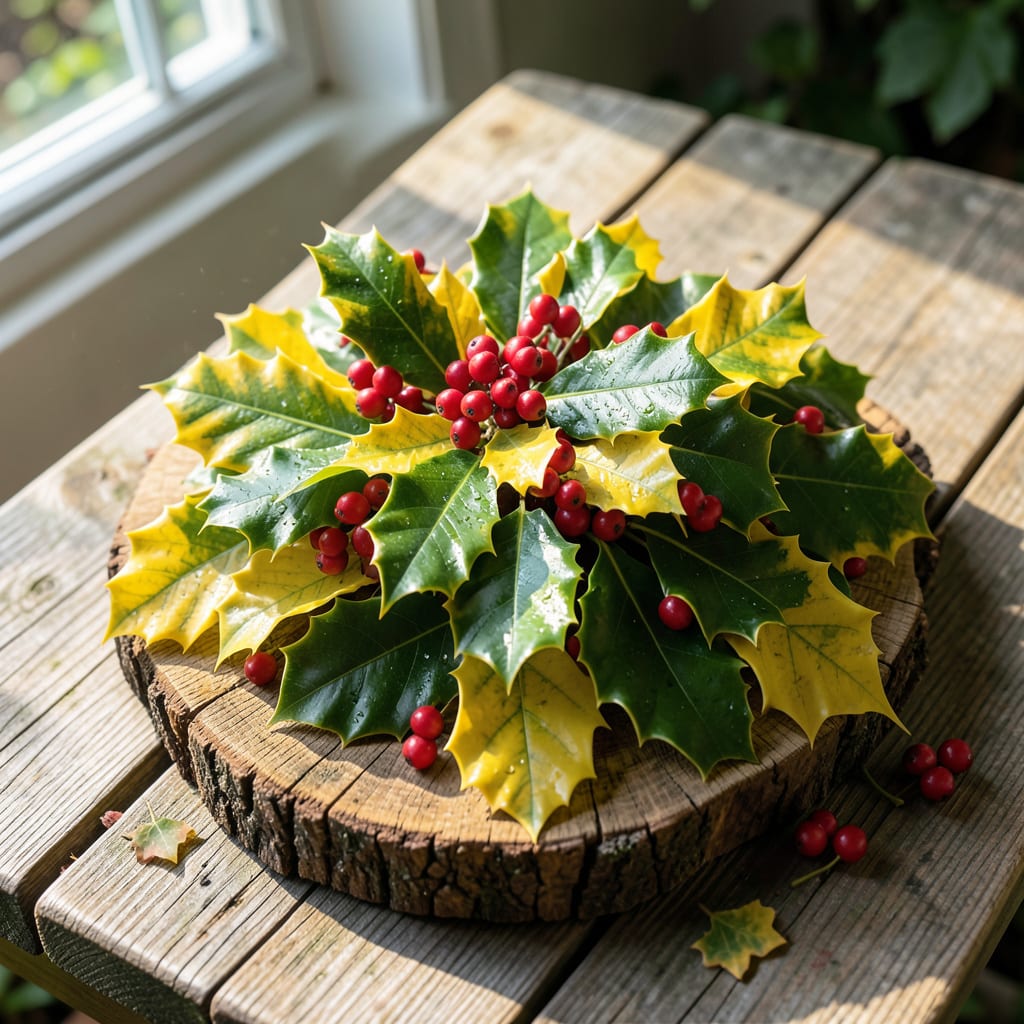
Yellow leaves on your holly tree aren’t just unsightly—they’re a distress signal. I’ve seen this exact pattern in my own garden, and the good news is it’s usually fixable.
Most often, it’s iron deficiency showing up as yellowing between the veins, but overwatering or compacted soil can mimic the same look. The key is checking the pattern and timing—new growth turning yellow points to one issue, while older leaves suggest another.
You’ll want to test your soil first. A simple pH check often reveals the root cause, since hollies need acidic conditions to absorb iron properly. The fix might be as straightforward as adjusting your watering routine or adding a soil amendment.
With the right approach, you’ll see fresh, vibrant green growth within 4-6 weeks. No advanced tools required—just observation and targeted action.
Holly trees develop yellow leaves due to several underlying issues, often tied to environmental stress or health problems. Below are the most common causes, explained with actionable insights.
Yellowing leaves, or chlorosis, often signal a lack of essential nutrients like iron, nitrogen, or magnesium. Iron deficiency is particularly common in holly trees growing in alkaline soils (pH above 7.0), where the roots struggle to absorb this vital micronutrient. Nitrogen deficiency typically starts in older leaves, turning them uniformly yellow, while magnesium deficiency causes yellowing between the veins, leaving them green.
Soggy soil suffocates holly roots, preventing them from absorbing oxygen and nutrients. This leads to root rot, where the roots turn brown and mushy, and the leaves yellow and wilt. Holly trees prefer well-draining, slightly acidic soil—consistently waterlogged conditions will stress the plant and trigger discoloration.
While holly trees are relatively drought-tolerant once established, prolonged dry spells can cause leaves to yellow and drop. Insufficient water disrupts the tree’s ability to transport nutrients, leading to uniform yellowing, often starting at the tips or edges of the leaves. Newly planted hollies are especially vulnerable to drought stress.
Sap-sucking pests like spider mites, aphids, or scale insects can drain a holly tree of its vital fluids, leading to yellowing leaves. These pests often leave behind sticky residue (honeydew) or fine webbing, which can further stress the plant. Regular inspection of the undersides of leaves can help catch infestations early.
Fungal pathogens such as Phytophthora root rot or leaf spot diseases can cause yellowing, often accompanied by dark spots or lesions. These diseases thrive in wet, poorly ventilated conditions and can spread rapidly if left untreated. Fungal issues typically present with irregular yellow patches rather than uniform discoloration.
If your holly tree’s leaves are turning yellow, act fast to restore its health. Below are targeted fixes for the most common causes, plus prevention tips to keep your holly vibrant.
Yellowing often signals a lack of iron, nitrogen, or magnesium. Test your soil with a kit (available at garden centers) to confirm deficiencies.
Prevention tip: 💡 Amend soil annually with organic matter to maintain nutrient levels.
Holly trees hate soggy roots. If the soil stays waterlogged, yellow leaves appear, often with wilting.
Prevention tip: 🌡️ Use a moisture meter to avoid guesswork—holly prefers slightly dry soil over damp.
Fungi like Phytophthora cause yellowing and leaf drop. Act at the first sign of trouble:
Prevention tip: ✨ Avoid overhead watering—keep leaves dry to discourage fungal growth.
Spider mites, scale, and aphids sap nutrients, causing yellow spots or mottling.
Prevention tip: 🎯 Inspect leaves weekly—catch pests early before they multiply.
Iron deficiency shows as yellowing between the veins on new growth, while veins stay green. Test soil pH—if it’s above 7.0, iron uptake is likely blocked.
No, affected leaves won’t recover, but new growth should emerge green within 4-6 weeks if the issue is resolved. Remove severely yellowed leaves to redirect energy.
Yes! Too much fertilizer burns roots, preventing nutrient absorption. Always follow package rates and water deeply after applying to distribute nutrients evenly.
Water deeply 1-2 times per week, letting the top 1-2 inches of soil dry between sessions. Hollies prefer slightly dry conditions over soggy soil.
