
Beautiful Plants For Your Interior
Beautiful Plants For Your Interior
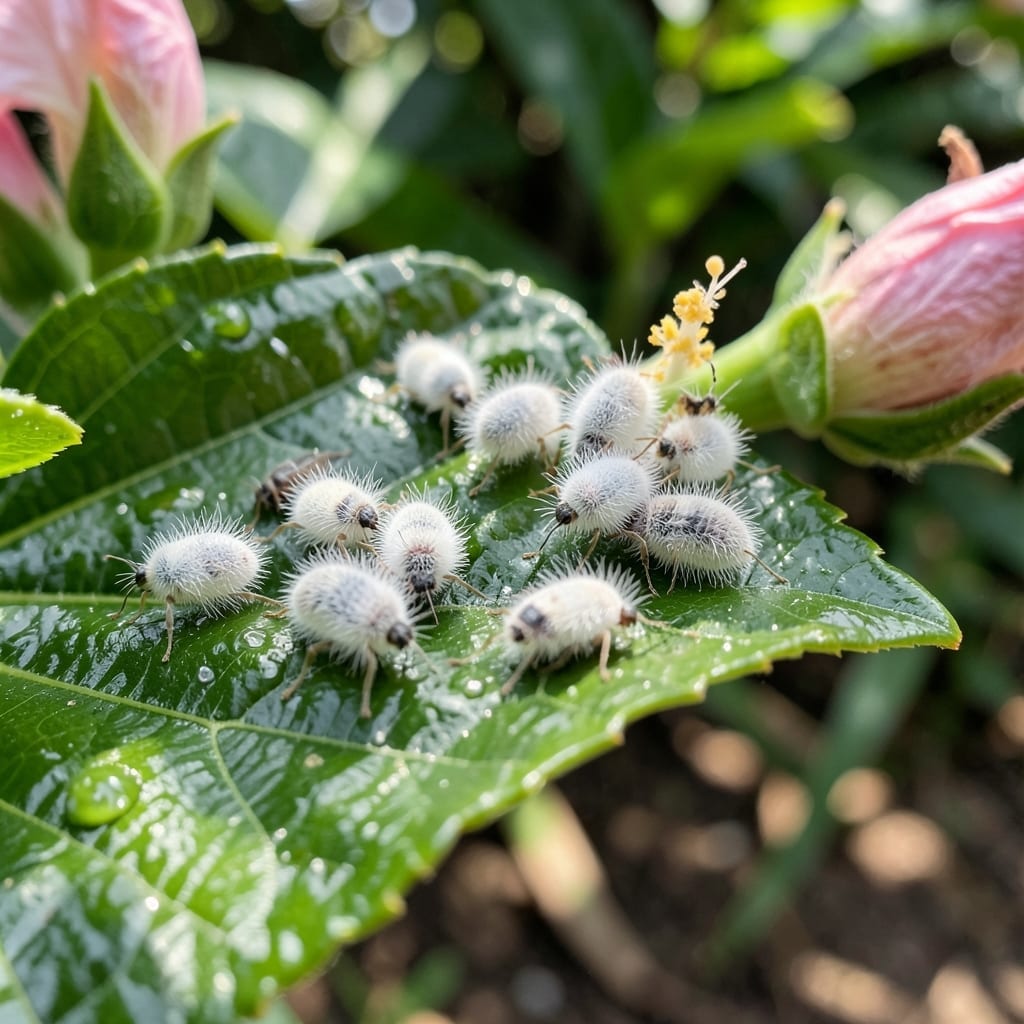
White cottony clusters on your hibiscus leaves mean trouble. 🌿 Mealybugs drain plant juices, weaken growth, and steal those vibrant blooms you worked hard to cultivate.
Left unchecked, these pests multiply fast and spread to other plants. I’ve lost entire hibiscus bushes to mealybugs before learning the right approach—now I catch them early and stop the damage.
Natural treatments like neem oil or insecticidal soap work wonders without harsh chemicals. A little consistency is all it takes to restore your plant’s health and beauty.
With the right steps, your hibiscus will bounce back stronger, ready to thrive and bloom all season long. Here’s how to take action today.
Mealybugs thrive on hibiscus plants due to a combination of environmental and plant health factors. Understanding these triggers helps you prevent and address infestations effectively. Below are the most common causes:
Mealybugs flourish in warm, arid climates (70–90°F or 21–32°C), which are ideal for their rapid reproduction. Hibiscus plants grown in low-humidity environments or indoors with dry air are particularly vulnerable. These pests seek out stressed plants, and drought-like conditions weaken the hibiscus’s natural defenses, making it an easy target.
Excessive use of nitrogen-rich fertilizers promotes lush, soft growth—exactly the type of foliage mealybugs love. This tender new growth lacks the toughness to resist piercing mouthparts. Stick to balanced, slow-release fertilizers and avoid overfeeding, especially during the growing season.
Hibiscus plants in crowded or stagnant spaces (e.g., dense garden beds or indoor corners) trap moisture and heat, creating a haven for mealybugs. These pests spread quickly in still air, as their crawlers (nymphs) can move freely between leaves and stems. Prune regularly to improve airflow and reduce hiding spots.
Both extremes stress hibiscus plants, making them more susceptible. Overwatering leads to root rot, weakening the plant, while underwatering causes wilting and nutrient deficiencies. Mealybugs are drawn to stressed plants with compromised sap flow, which they feed on. Maintain consistent moisture levels without waterlogging the soil.
In outdoor settings, mealybugs proliferate when beneficial insects (like ladybugs, lacewings, or parasitic wasps) are absent. Pesticides can kill these predators, disrupting the natural balance. Encourage biodiversity in your garden or introduce biological controls to keep mealybug populations in check.
Mealybugs can be stubborn, but these targeted solutions will help you reclaim your hibiscus’s health. Address each issue directly and follow up with prevention to keep them from returning.
If you spot mealybugs early, dab them with a cotton swab soaked in rubbing alcohol (70% isopropyl). This dissolves their protective waxy coating, killing them on contact. For clusters, use a soft toothbrush dipped in soapy water to gently scrub them off leaves and stems. Rinse the plant afterward to remove residue.
For larger infestations, mix 1 tablespoon of mild liquid soap (like Castile) with 1 quart of water and spray evenly over the plant, focusing on leaf undersides and stem joints. Reapply every 3–4 days until the bugs are gone. Neem oil (mixed per package instructions) is another effective option—it disrupts their life cycle. Always test sprays on a small area first to check for leaf sensitivity.
If mealybugs keep coming back, introduce beneficial insects like ladybugs or lacewings, which prey on them naturally. For severe cases, use systemic granules (e.g., imidacloprid) in the soil—these are absorbed by the plant, making it toxic to pests for weeks. Avoid systemic treatments if pollinators frequent your hibiscus.
Consistency is key—check your hibiscus weekly for early signs of reinfestation!
They appear as white, cottony clusters in leaf axils, stem joints, or undersides. These pests resemble tiny cotton balls and may leave a sticky residue called honeydew on the plant.
Severe infestations can weaken and eventually kill hibiscus by draining sap. Act quickly at the first sign to prevent extensive damage and restore plant health.
For natural sprays, reapply every 3–4 days until the pests are gone. Monitor weekly afterward to catch any new outbreaks early.