
Beautiful Plants For Your Interior
Beautiful Plants For Your Interior
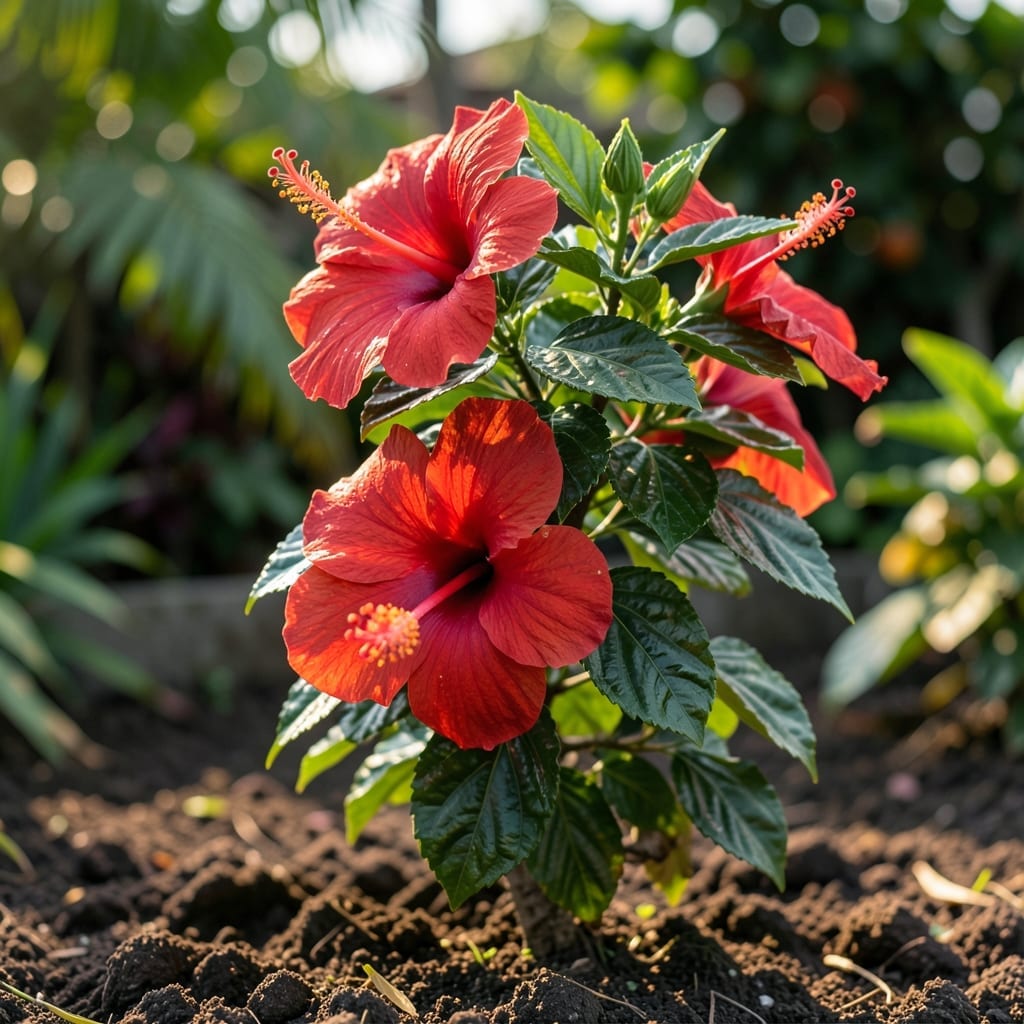
There’s nothing quite like watching your 🌺 Hibiscus burst into vibrant color—until you realize its blooms are lackluster or its leaves look sad. Getting the sunlight right can feel like a guessing game.
I’ve learned that even small adjustments in light exposure can make a huge difference in your plant’s health. Whether your garden gets intense afternoon rays or just gentle morning light, there’s a sweet spot for success.
Discover how to give your Hibiscus the perfect amount of sun for those show-stopping flowers you’ve been dreaming about. It’s simpler than you think.

If you want your hibiscus plants to thrive, getting the sunlight right is non-negotiable. Most varieties, especially tropical hibiscus, need 6 to 8 hours of direct sunlight daily. Without enough light, you’ll notice fewer blooms and weaker growth.
However, hardy hibiscus can tolerate slightly less sun, around 4 to 6 hours, especially in hotter climates. The key is morning sunlight, which is gentler and helps prevent heat stress during peak afternoon hours.
| Hibiscus Type | Daily Sun Needs | Best Light Type |
| Tropical Hibiscus | 6-8 hours | Direct sunlight |
| Hardy Hibiscus | 4-6 hours | Morning sun + afternoon shade |
| Dwarf Varieties | 4-6 hours | Partial sun |
I’ve found that eastern exposure works wonders for hibiscus in warmer zones. It provides bright, direct morning light while shielding plants from the harsh afternoon sun. This setup mimics their natural habitat and encourages abundant flowering.
In cooler climates, don’t hesitate to give your hibiscus full sun all day. The extra warmth helps compensate for shorter growing seasons. Just ensure the soil stays moist but well-drained to prevent stress.
For container-grown hibiscus, I recommend rotating the pots quarter-turn daily. This ensures even light distribution and prevents the plant from growing lopsided. It’s a simple trick that makes a big difference in plant symmetry.
If your garden lacks ideal sun exposure, consider using reflective surfaces like light-colored walls or mulch. These can bounce additional light onto your plants. I’ve seen this technique boost bloom production in shadier spots.
Remember that newly planted hibiscus may need temporary shade. I always use a shade cloth for the first week or two to help them acclimate. This prevents transplant shock and gives roots time to establish.
Watch for leaf scorch in intense heat. If you notice brown, crispy edges, it’s a sign your hibiscus is getting too much direct sun. Moving it to a spot with dappled afternoon shade usually solves the problem.
Finally, don’t overlook the quality of light. Hibiscus prefers bright, direct sunlight over filtered light. Even if your plant gets 8 hours of light, if it’s mostly shaded, it won’t perform as well as one getting 6 hours of full sun.
☀️Your hibiscus plant will tell you if it’s getting the wrong amount of light. Yellowing leaves often signal too little sun, while brown crispy edges indicate sunburn from excessive exposure.
If you notice fewer blooms or smaller flowers, this is a classic sign of insufficient sunlight. Hibiscus needs enough light to produce its stunning, vibrant blooms.
✅ Pale leaves
✅ Leggy growth
✅ Fewer flowers
❌ Leaf scorch
❌ Wilting
❌ Dry soil
I’ve seen wilting in afternoon heat, which often means your plant is overheating. Moving it to a spot with afternoon shade can help it recover quickly.
Stunted growth is another red flag. If your hibiscus isn’t growing as expected, check its light exposure. It might need more direct sunlight to reach its full potential.
For container plants, watch for uneven growth. If one side looks lush while the other is sparse, it’s likely not getting even light distribution. A simple rotation can fix this.
In my experience, morning sun is ideal for most hibiscus varieties. It provides the energy they need without the harshness of midday rays. If your plant struggles, try adjusting its position gradually.
☀️