
Beautiful Plants For Your Interior
Beautiful Plants For Your Interior
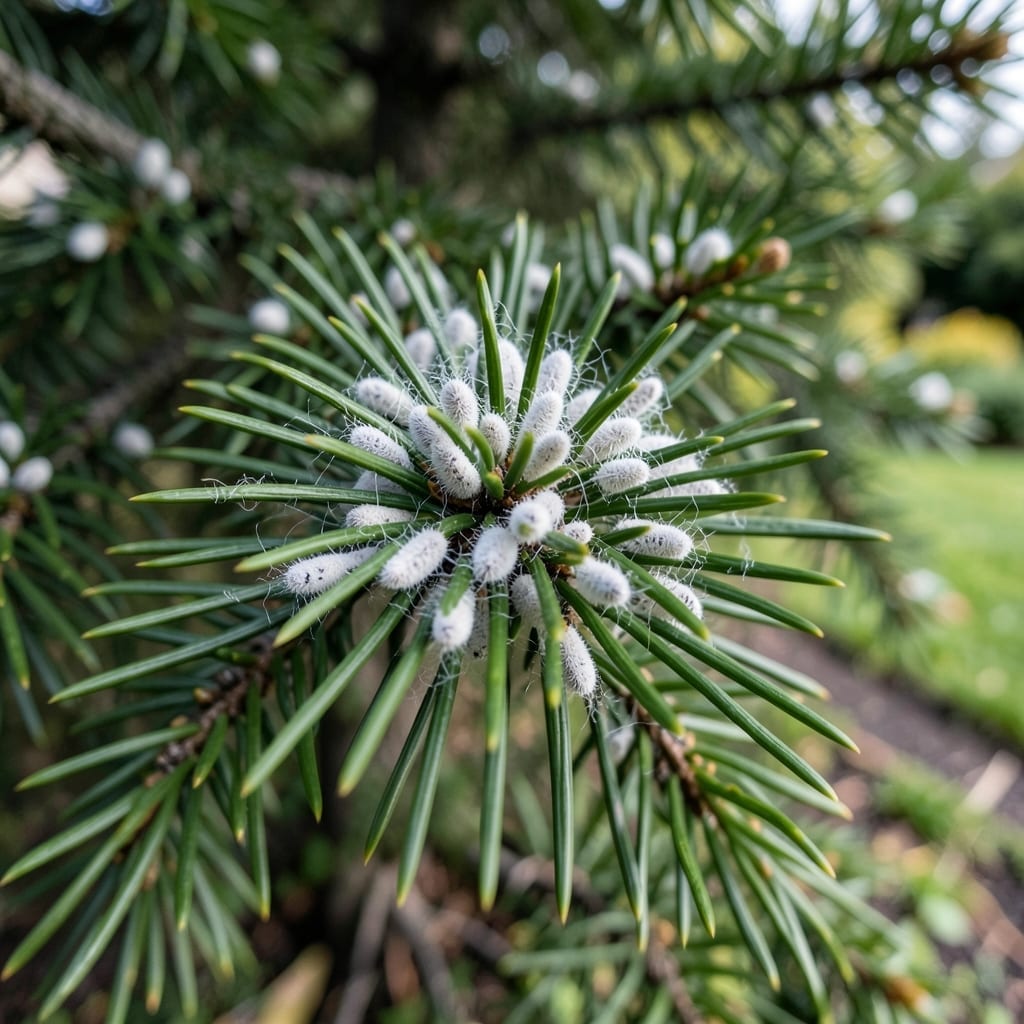
White fluffy spots on your fir tree aren’t snow—they’re trouble. Mealybugs sneak in quietly, turning needles yellow and stunting growth before you even notice the damage.
I first spotted them on my Douglas fir two seasons ago. Tiny cottony clusters hid in branch crooks, and the sap they excreted attracted ants like a buffet. Left unchecked, they’ll weaken your tree and invite secondary infections.
Targeted treatment starts with a sharp eye and the right approach. You’ll learn to identify these pests at every life stage and stop them before they spread to other plants.
Works for young saplings and mature trees alike. The solution is simpler than you think.
Mealybugs thrive on fir trees due to a combination of environmental, biological, and cultural factors. Understanding these causes helps prevent and control infestations effectively.
Stressed or weakened fir trees are more susceptible to mealybug attacks. Poor soil quality, drought conditions, or nutrient deficiencies compromise the tree’s natural defenses, making it an easy target. Ensure proper irrigation and balanced fertilization to maintain vigor.
Mealybugs proliferate when their natural enemies—like ladybugs, lacewings, or parasitic wasps—are absent. Overuse of broad-spectrum pesticides can wipe out these beneficial insects, disrupting the ecosystem. Opt for targeted treatments to preserve predator populations.
Warm, humid environments accelerate mealybug reproduction. Fir trees in regions with mild winters and high moisture are especially vulnerable. Improve airflow around the tree and avoid overhead watering to reduce humidity levels.
Mealybugs often spread through contaminated tools, nursery stock, or pruning equipment. Always sterilize gardening tools and inspect new plants before introducing them to your landscape to prevent accidental infestations.
Tackling mealybugs on your fir tree starts with identifying the severity of the infestation. Here’s how to address each scenario effectively:
If you notice small clusters of mealybugs, act fast with a targeted approach.
For heavy infestations, stronger measures are needed to save your fir tree.
Keep mealybugs from returning with these proactive steps:
Look for white, cottony clusters in branch joints and needle undersides. Yellowing needles and sticky residue (honeydew) are also telltale signs of an infestation.
Yes, act fast! Even small clusters can multiply quickly in warm, humid conditions. Spot-treat with alcohol or neem oil to prevent spreading to other plants.
Dish soap alone may not be strong enough. For best results, mix 1 tablespoon neem oil + 1 gallon water + a few drops of dish soap to break down their waxy coating.
They can if prevention steps aren’t taken. Boost tree health, encourage predators, and inspect weekly to stop new infestations early.