
Beautiful Plants For Your Interior
Beautiful Plants For Your Interior
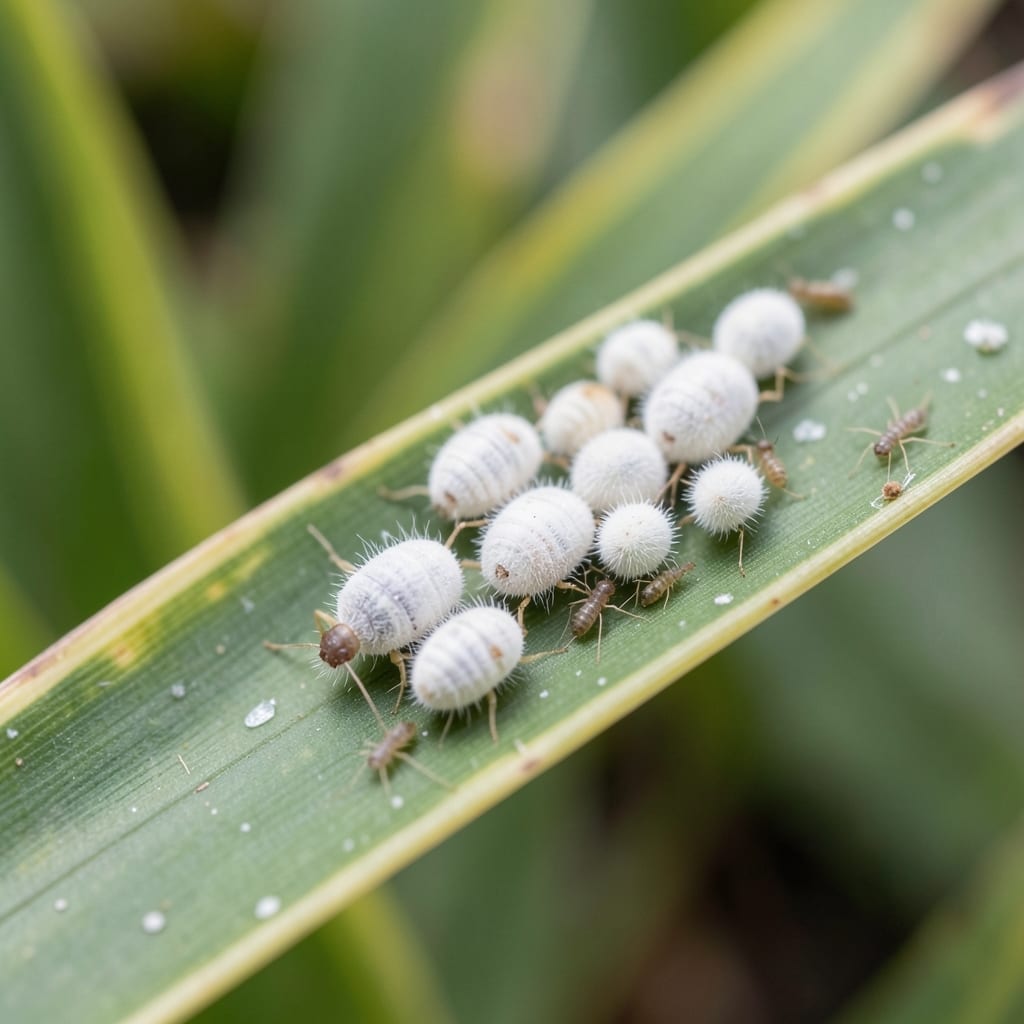
White fuzz on your dracena leaves means trouble. 🌿 I spotted my first mealybug infestation last spring—tiny cotton-like clusters hiding under leaves and along stems, sucking the life out of my favorite plant.
These pests spread fast and weaken your dracena by feeding on its sap. Left unchecked, they cause yellowing leaves, stunted growth, and eventually plant death. The good news? Early action stops them in their tracks.
You’ll need to isolate the plant, remove visible bugs with a cotton swab dipped in rubbing alcohol, and treat the rest with a foolproof solution. Natural options like neem oil or insecticidal soap work wonders.
With consistent care, your dracena will bounce back, looking lush and healthy again. Prevention is key—inspect new plants and keep your space clean.
Mealybugs thrive on Dracaena plants due to specific environmental and care-related triggers. Understanding these causes helps prevent infestations before they start.
Dracaenas stressed by low humidity or inconsistent temperatures (below 60°F or above 80°F) become vulnerable. Mealybugs exploit weakened plants, as dry air and temperature swings reduce the plant’s natural defenses. Stable humidity (40-50%) and steady warmth deter these pests.
Both extremes create stress. Overwatering leads to root rot, weakening the plant’s ability to resist pests, while underwatering causes dehydration, making leaves more susceptible to mealybug feeding. Water only when the top 1-2 inches of soil are dry to maintain balance.
Mealybugs spread rapidly in dense groupings of plants or when dead foliage accumulates. Poor airflow and debris provide hiding spots for eggs and nymphs. Space plants apart and remove fallen leaves to limit infestation risks.
Introducing a new, untreated plant can bring mealybugs into your collection. These pests hitchhike on stems, soil, or even tools. Isolate new plants for 2-3 weeks and inspect them thoroughly before placing them near your Dracaena.
Mealybugs can be stubborn, but with the right approach, you can restore your dracena’s health. Below are practical fixes for each cause, plus prevention tips to keep these pests from returning.
If you spot a few white cottony clusters, act fast! Use a cotton swab dipped in rubbing alcohol (70% or higher) to gently dab each bug. This dissolves their protective waxy coating, killing them on contact. For larger groups, wipe them off with a soft cloth soaked in soapy water. Pro tip: 💡 Check leaf axils and undersides—mealybugs love hiding there!
For heavier outbreaks, mix 1 tablespoon of neem oil + 1 teaspoon of dish soap + 1 quart of water. Spray thoroughly every 3–4 days until the bugs are gone. Alternatively, insecticidal soap (ready-made or homemade) disrupts their cell membranes. Always test sprays on a small leaf area first to avoid damage.
Move your dracena away from other plants to prevent spreading. Trim heavily infested leaves or stems with sterilized pruners and discard them in a sealed bag. Never compost mealybug-infested debris! ✨
Consistency is key! Repeat treatments until all signs of mealybugs are gone, then stay vigilant with routine checks.
Look for white cottony clusters in leaf axils, stem joints, or undersides. You might also notice sticky residue or black sooty mold on leaves. Early signs include yellowing or wilting foliage.
White vinegar can help, but it’s less effective than rubbing alcohol or neem oil. Mix equal parts water and vinegar, spray lightly, and wipe off after 10 minutes. Test on a small area first to avoid leaf damage.
They often hide in soil or nearby plants. Ensure you treat the entire plant, including the pot’s rim, and isolate it for 2-3 weeks. Regular inspections and a clean environment prevent reinfestation.
Yes, neem oil is safe for indoor use when properly diluted. Apply in a well-ventilated area, avoid direct sunlight after spraying, and keep pets away until the solution dries.