
Beautiful Plants For Your Interior
Beautiful Plants For Your Interior
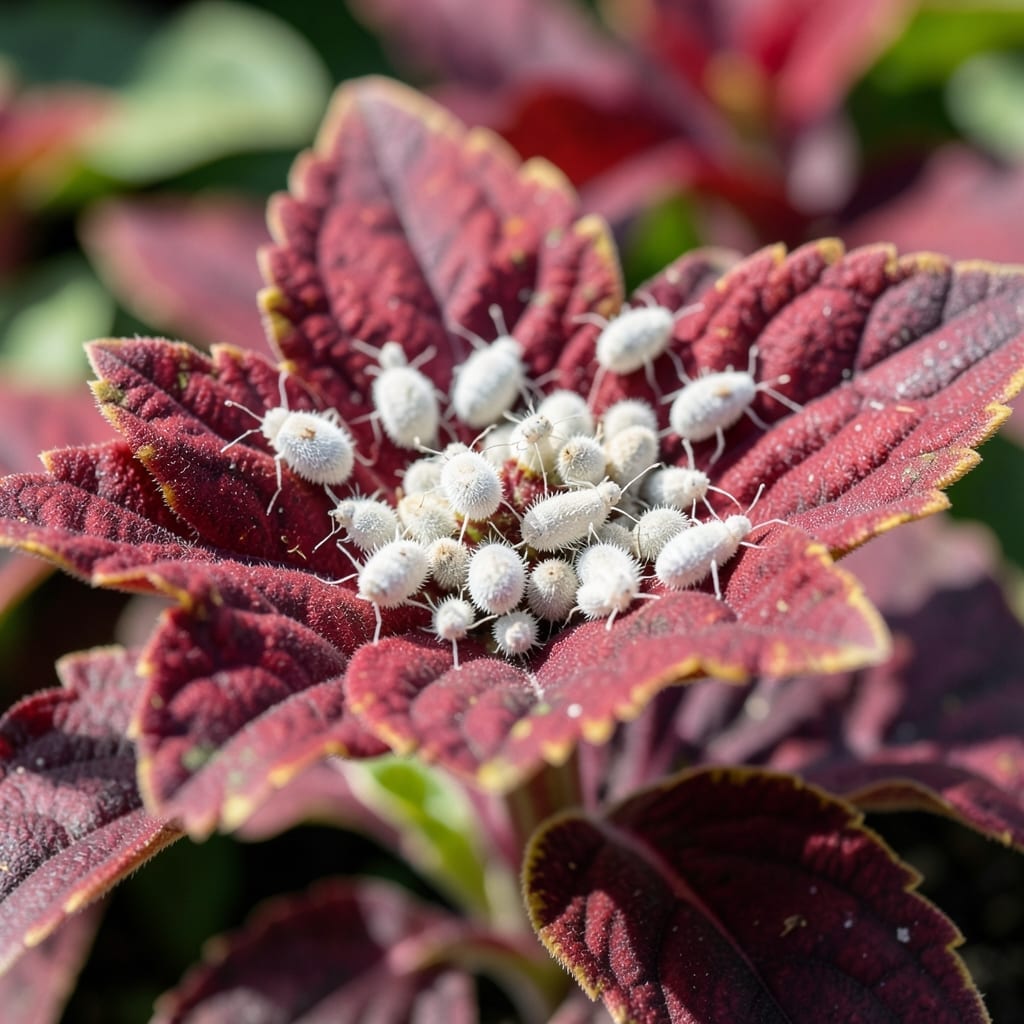
White cottony clusters on your coleus mean trouble. I first spotted mealybugs on my favorite coleus last summer, and ignoring them nearly cost me the whole plant.
These pests spread fast, sucking sap and leaving sticky residue that attracts mold. The good news? You can stop them with items already in your home—soap, water, and a little persistence.
Within a week of treatment, new growth emerges clean and vibrant. The leaves regain their rich color and texture, and your coleus looks healthy again.
Works for indoor and outdoor plants, and prevents future outbreaks with simple habits. Here’s how to take back your garden.
Mealybugs thrive on coleus plants due to a mix of environmental, cultural, and biological factors. Understanding these triggers helps prevent infestations and keeps your foliage vibrant. Below are the most common causes, explained with actionable insights.
Mealybugs love the same cozy conditions that coleus plants adore. Temperatures between 70–80°F (21–27°C) and high humidity (above 60%) create an ideal breeding ground. These pests reproduce rapidly in such climates, spreading across stems and leaf axils. Action: Improve airflow with spacing or fans, and avoid overcrowding plants.
Excess moisture—whether from overwatering or soggy soil—weakens coleus, making it more susceptible to pests. Mealybugs are drawn to stressed plants with soft, waterlogged tissues. Action: Water only when the top inch of soil is dry, and ensure pots have drainage holes to prevent root rot.
While coleus benefits from regular feeding, too much nitrogen promotes lush, tender growth—a mealybug magnet. Soft new shoots lack the natural defenses found in hardened stems. Action: Use a balanced, slow-release fertilizer and avoid heavy nitrogen applications during peak growing seasons.
In outdoor settings, mealybugs are often kept in check by beneficial insects like ladybugs, lacewings, or parasitic wasps. Indoor coleus or isolated garden beds lack these predators, allowing infestations to spiral. Action: Introduce natural enemies (e.g., Cryptolaemus montrouzieri, a mealybug-destroying beetle) or use neem oil to disrupt their life cycle.
Mealybugs hitchhike on contaminated soil, tools, or newly purchased plants. A single infected specimen can spread pests to an entire coleus collection. Action: Quarantine new plants for 2–3 weeks and sterilize potting mix by baking it at 200°F (93°C) for 30 minutes.
Mealybugs can be a nuisance, but with the right approach, you can restore your coleus to its vibrant self. Here’s how to tackle the problem effectively:
For small infestations, start by wiping down leaves with a cotton swab dipped in rubbing alcohol (70% isopropyl). This dissolves the bugs’ protective coating and kills them on contact. Focus on leaf undersides, stems, and crevices where mealybugs hide. Tip: 💡 Use tweezers to remove larger clusters.
Mix 1 tablespoon of neem oil or insecticidal soap with 1 quart of water and spray evenly over the plant. Reapply every 5–7 days until the infestation clears. Neem oil disrupts the bugs’ life cycle, while soap suffocates them. Pro tip: 🌿 Test the spray on a small leaf section first to check for sensitivity.
For severe cases, use a systemic insecticide labeled for mealybugs. Follow the product instructions carefully, as these treatments are absorbed by the plant and kill pests from within. Avoid using systemic insecticides if you’re growing coleus for culinary purposes.
Consistency is key! Repeat treatments as needed, and always monitor your coleus for signs of reinfestation.
Look for white, cottony clusters on stems, leaf undersides, or joints. You might also notice sticky residue (honeydew) or black sooty mold.
Yes, mix 1 teaspoon of mild dish soap with 1 quart of water and spray affected areas. Reapply every 3-4 days for best results.
They often hide in hard-to-reach areas like leaf axils. Combine treatments with weekly inspections and quarantine new plants for 2-3 weeks.
They spread quickly to nearby plants. Isolate infested coleus and treat all plants in the vicinity as a precaution.