
Beautiful Plants For Your Interior
Beautiful Plants For Your Interior
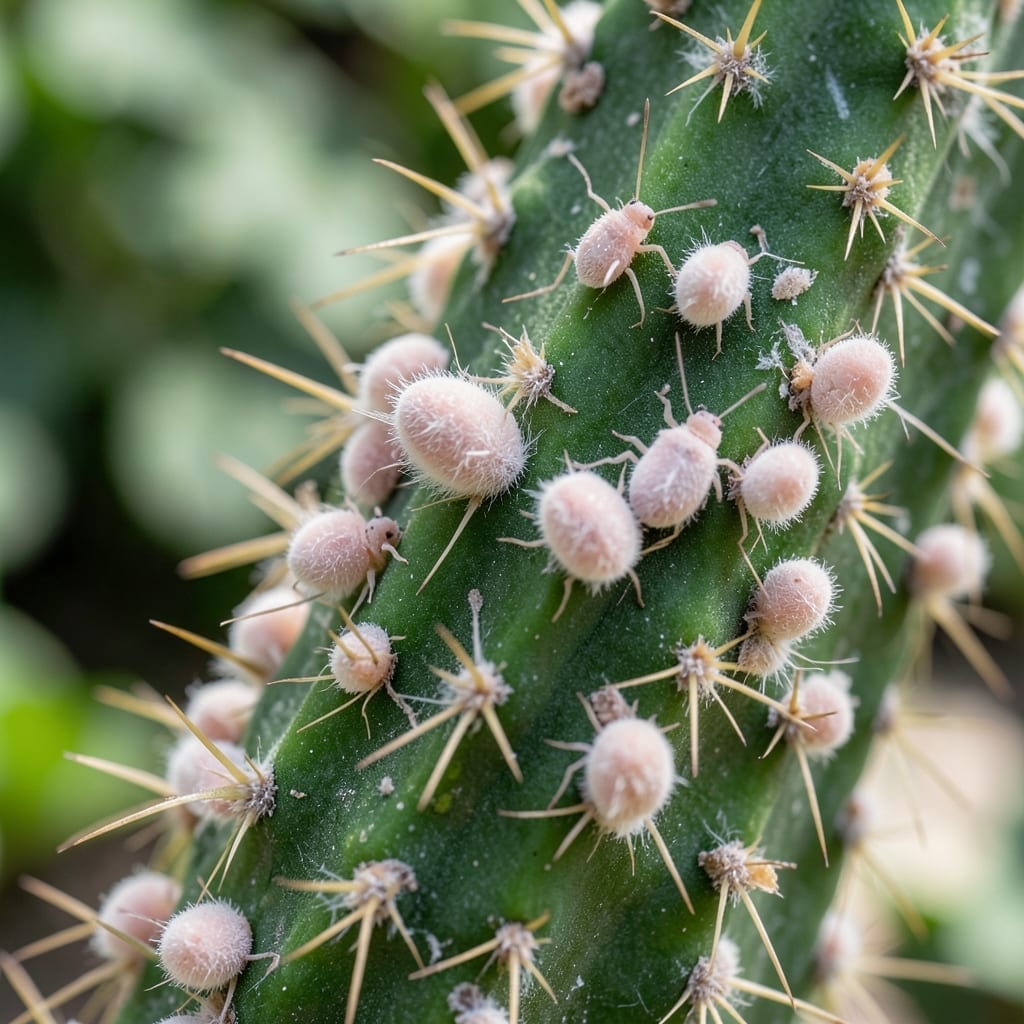
White cottony clusters on your cactus aren’t decorative—they’re mealybugs. I’ve lost a few plants to these pests, but catching them early saves your collection.
These bugs drain plant juices, leaving cacti weak and stunted. They hide in spines and crevices, making them tricky to spot until the damage shows.
Targeted removal works best: a cotton swab dipped in rubbing alcohol wipes them out on contact. For bad infestations, organic sprays or systemic treatments finish the job.
Prevention is simpler than cure. Isolate new plants, inspect regularly, and keep your cacti in good health. They’ll thank you with thriving growth.
Mealybugs thrive on cacti due to specific environmental and plant health factors. Understanding these causes helps prevent and control outbreaks effectively.
Mealybugs flourish in warm, low-humidity environments, which are common in indoor cactus setups. Temperatures between 70–80°F (21–27°C) with dry air accelerate their reproduction. Cacti in heated homes or greenhouses without airflow are especially vulnerable.
Excess moisture weakens cactus defenses, making them more susceptible to pests. Overwatering or compacted soil creates stress, while damp roots attract mealybugs seeking hydration. Ensure well-draining soil and water only when the topsoil is completely dry.
Cacti with excess nitrogen (from over-fertilizing) produce soft, succulent growth—ideal for mealybugs to pierce and feed. Conversely, nutrient-deficient plants lack vigor to resist infestations. Use a low-nitrogen, cactus-specific fertilizer to maintain balance.
Mealybugs often hitchhike on new plants, tools, or pots. Failing to quarantine or inspect additions introduces pests to healthy collections. Always isolate new cacti for 2–3 weeks and check for white, cottony clusters.
Tackling mealybugs on your cactus requires a mix of immediate action and long-term prevention. Here’s how to address the most common causes and keep your succulents thriving.
Mealybugs love damp conditions. If overwatering is the issue, let the soil dry out completely between waterings. Stick your finger an inch into the soil—if it’s dry, it’s time to water. Switch to a well-draining cactus mix and ensure your pot has drainage holes to avoid soggy roots.
For visible mealybugs, dab them with a cotton swab soaked in 70% isopropyl alcohol. This kills the pests on contact. For larger infestations, mix 1 part insecticidal soap with 3 parts water and spray the cactus, focusing on crevices. Repeat every 4-5 days until the bugs are gone. Isolate the plant to prevent spreading.
Stagnant air encourages mealybugs. Move your cactus to a breezy spot or use a small fan on low to improve airflow. If growing indoors, crack a window occasionally. Outdoors, ensure plants aren’t crowded—space them out to let air circulate freely.
Consistency is key—stay vigilant, and your cactus will thank you with healthy, pest-free growth! 🌵✨
Look for white, cottony clusters in spines or crevices. These pests also leave a sticky residue called honeydew, which can attract ants. A close inspection with a magnifying glass helps spot early signs.
Yes, if left untreated. They sap plant juices, weakening the cactus and stunting growth. Severe infestations can lead to yellowing, wilting, or even death. Act quickly at the first sign.
Dab visible bugs with a cotton swab soaked in 70% isopropyl alcohol. For larger outbreaks, use insecticidal soap spray every 4-5 days. Always isolate the plant to prevent spreading.
Quarantine new plants for 2-3 weeks and inspect them thoroughly. Keep your cactus in well-draining soil, avoid overwatering, and ensure good airflow. Regularly wipe down the plant with a damp cloth.