
Beautiful Plants For Your Interior
Beautiful Plants For Your Interior
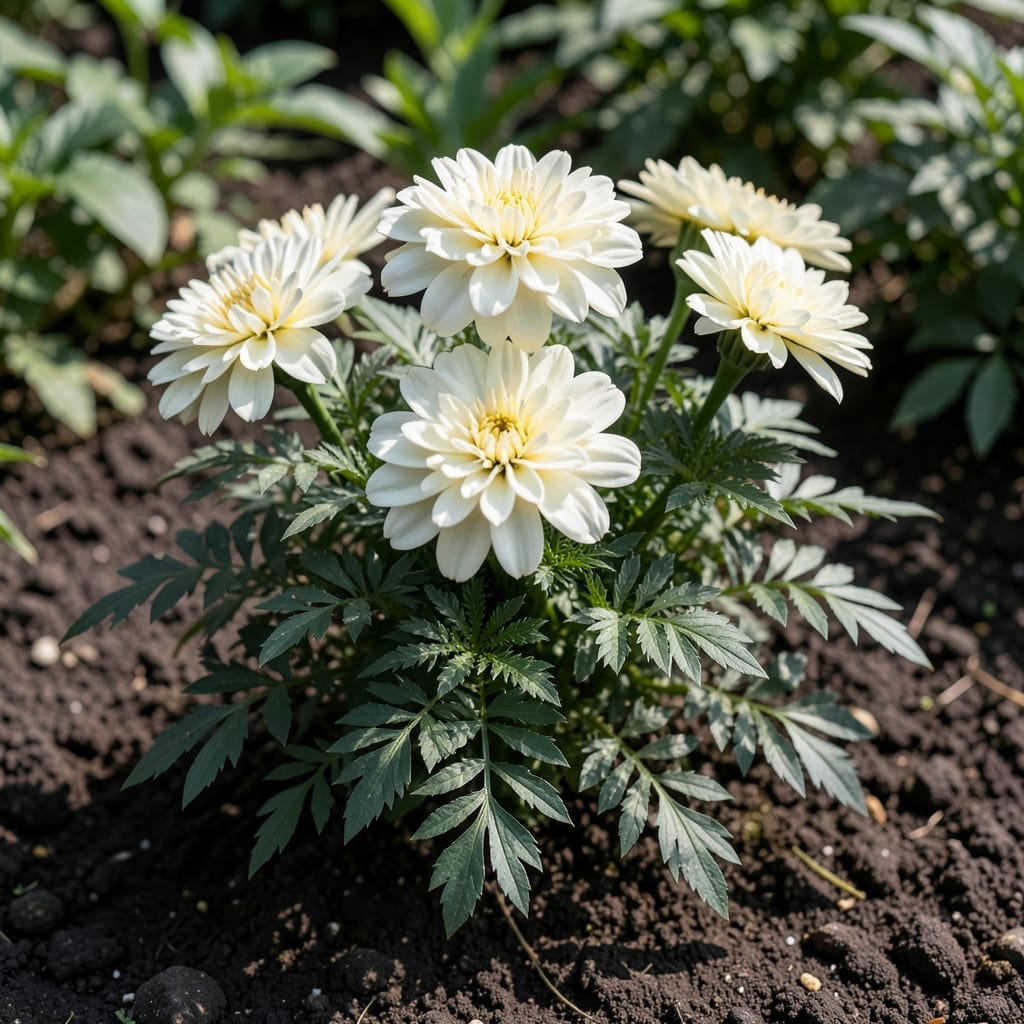
I’ve grown White Swan marigolds for five seasons straight, and they never fail to impress. These pure white blooms with soft yellow centers add a fresh, elegant touch to any garden.
They thrive in full sun and well-draining soil, and with minimal care, you’ll get continuous blooms from summer to frost. Here’s how to make them shine.
📚 In This Guide
Here’s the method I’ve refined over years to grow these elegant white blooms with ease.
Choose a location with full sun exposure—these plants thrive with at least 6-8 hours of direct sunlight daily. The soil should be well-draining and moderately fertile. I always amend the bed with 1-2 inches of compost worked into the top 6 inches of soil to improve structure and nutrient content.
Remove any weeds or debris that might compete with your seedlings. A clean site prevents pests and diseases from gaining a foothold early on. Lightly rake the surface to create a smooth, even bed for planting.
If starting from seed, sow directly in the garden after the last frost when soil temperatures reach 70°F. Plant seeds ¼ inch deep and 6-8 inches apart. For transplants, dig holes slightly larger than the root ball and space them 8-10 inches apart to allow for air circulation.
Gently firm the soil around the base of each plant to eliminate air pockets. Water thoroughly after planting to settle the soil and encourage root establishment. You’ll see new growth within 7-10 days if conditions are ideal.
Keep the soil evenly moist but not waterlogged during the first 2-3 weeks after planting. I water at the base of the plants early in the morning to reduce evaporation and prevent fungal issues. Once established, these are fairly drought-tolerant, but consistent moisture produces the best blooms.
A good rule of thumb is to water when the top ½ inch of soil feels dry to the touch. Overwatering leads to root rot, while underwatering causes stress and poor flowering. Mulching with 1 inch of organic material helps retain moisture and suppress weeds.
Apply a balanced, water-soluble fertilizer every 2-3 weeks during the growing season to promote vigorous growth and abundant flowering. I prefer a 10-10-10 or 5-10-5 formula diluted to half strength. Avoid high-nitrogen fertilizers, as they encourage leafy growth at the expense of flowers.
Deadhead spent blooms by pinching them off at the base of the flower stem. This encourages the plant to produce more flowers and maintains a tidy appearance. Regular deadheading also prevents self-seeding if you want to control where these plants pop up next year.
Watch for common pests like aphids, spider mites, or whiteflies, which are attracted to the lush foliage. I inspect the plants weekly, paying close attention to the undersides of leaves. A strong blast of water can dislodge many pests, but insecticidal soap may be necessary for severe infestations.
Powdery mildew can be an issue in humid conditions, so ensure good air circulation by spacing plants properly and avoiding overhead watering. If you notice white, powdery spots on the leaves, treat with a fungicide or neem oil solution immediately to prevent spread.
These gardener-tested insights will help you avoid pitfalls and grow vibrant blooms with confidence.
Site Preparation Wisdom: In Step 1, the 6-8 hours of direct sunlight requirement is non-negotiable for these sun-loving plants. I learned the hard way that even partial shade results in leggy stems and fewer flowers. Work that 1-2 inches of compost into the top 6 inches of soil thoroughly—this improves drainage while providing the moderate fertility these plants prefer.
Planting Depth Matters: For Step 2, planting seeds ¼ inch deep is critical. Any deeper, and they may struggle to emerge; any shallower, and they risk drying out. The spacing guidelines—6-8 inches for seeds and 8-10 inches for transplants—ensure proper air circulation, which becomes especially important when you reach Step 5 and need to monitor for fungal issues.
Moisture Monitoring Tip: During those first 2-3 weeks after planting (Step 3), check the top ½ inch of soil daily. Here’s what nobody tells you—morning watering isn’t just about reducing evaporation; it also gives foliage time to dry before evening, which is crucial for preventing the powdery mildew mentioned in Step 5.
Fertilizing Strategy: The 2-3 week interval for fertilization in Step 4 works perfectly with the growing season rhythm. I always dilute my 10-10-10 or 5-10-5 formula to half strength—full strength can actually burn the roots and reduce flowering. Deadheading isn’t just cosmetic; it redirects the plant’s energy from seed production to more blooms.
Look for white, powdery spots on leaves, stunted growth, or yellowing foliage. Early signs include small, chalky patches that spread quickly in humid conditions.
Treat at the first sign of infection, ideally in the morning for better absorption. Prevention is key—apply fungicides or neem oil before rainy seasons.
Yes! Try neem oil, baking soda spray (1 tsp baking soda + 1 quart water + a drop of soap), or sulfur-based treatments. These are eco-friendly and effective for mild cases.
Overwatering or poor drainage can worsen White Swan. Ensure well-draining soil and avoid wetting leaves. If wilting persists, check for root rot or other pests.