
Beautiful Plants For Your Interior
Beautiful Plants For Your Interior
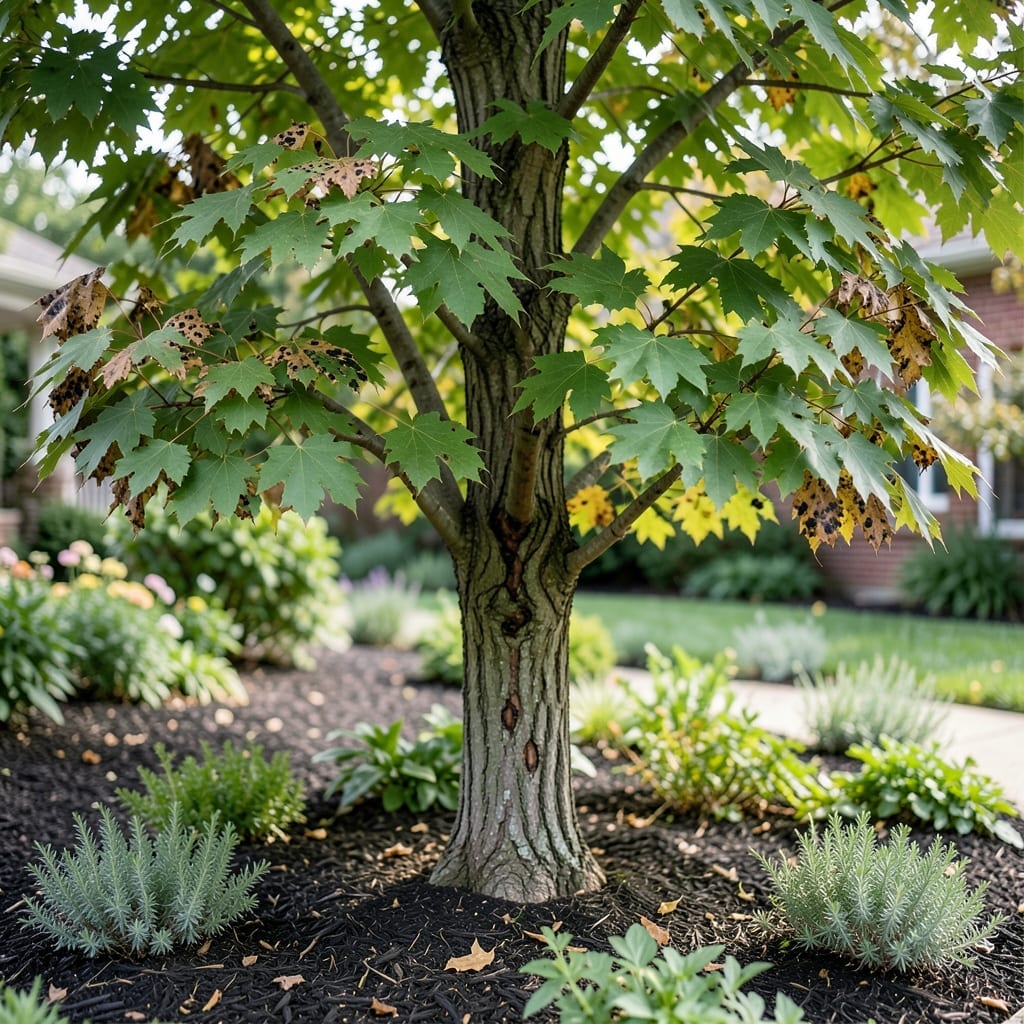
That dark, peeling patch on your maple isn’t just ugly—it’s a warning. Maple bark disease sneaks in through tiny cracks, and by the time you notice, the damage is already spreading under the surface.
I’ve seen healthy trees decline in months because the early signs were ignored. Catching it early means the difference between saving your tree and watching it wither. The good news? This problem is manageable if you know what to look for.
You’ll learn to spot the subtle changes in bark texture and color that signal trouble. Then, we’ll cover the 3 simple steps to stop the spread and nurse your maple back to health.
No fancy tools or chemicals required—just sharp eyes and quick action. Your tree’s future starts with noticing today.
Maple bark disease, also known as Tar Spot of Maple, doesn’t strike at random. Understanding the root causes helps you prevent and manage it effectively. Here’s why it happens:
The primary culprit is the fungus Rhytisma acerinum (and related species like R. punctatum). These pathogens thrive in cool, wet conditions, particularly during late spring and early summer. Spores released from infected leaves or leaf litter overwinter on the ground, then infect new foliage when splashed by rain or irrigation. The fungus penetrates the leaf tissue, disrupting normal cell function and creating the signature tar-like spots.
Wet, humid weather is a major enabler. Prolonged periods of leaf wetness (12+ hours) allow fungal spores to germinate and infect. Shaded, poorly ventilated areas—common in dense canopies or urban plantings—trap moisture, creating ideal breeding grounds. Trees stressed by drought, compacted soil, or nutrient deficiencies are also more susceptible to infection.
Healthy maples resist disease better, but stress compromises their defenses. Factors like improper pruning wounds, root damage from construction, or extreme temperature swings weaken the tree, making it easier for fungi to take hold. Younger trees or those in urban environments (with limited root space or pollution exposure) are especially vulnerable.
Leaving infected leaves on the ground over winter gives the fungus a free pass to reinfect the tree the following season. Failing to remove and destroy (not compost!) fallen foliage or prune infected branches allows the pathogen to persist and spread. Even tools or equipment contaminated with fungal spores can introduce the disease to new areas.
Stopping the spread of bark damage starts with addressing its root causes. Below are targeted solutions for each trigger, along with preventative steps to keep your maple trees healthy and resilient.
If fungal pathogens are the culprit, prune infected branches immediately using sterilized tools to prevent further contamination. Dispose of the diseased wood far from the tree to avoid reinfection. Apply a fungicide labeled for maple trees, following the manufacturer’s instructions. For prevention, improve air circulation around the tree by thinning dense canopies and avoid overhead watering to reduce moisture buildup.
Pests like borers or bark beetles create entry points for disease. Treat active infestations with horticultural oil or insecticidal soap, focusing on the affected areas. For long-term prevention, apply a layer of mulch around the base to deter pests and keep the tree’s root zone healthy. Regularly inspect the bark for tiny holes or sawdust-like frass, which signal pest activity.
Drought, extreme temperatures, or poor soil conditions weaken trees, making them vulnerable. Water deeply during dry spells, ensuring the soil stays moist but not waterlogged. Use organic mulch to retain moisture and regulate soil temperature. If soil quality is poor, conduct a soil test and amend with compost or fertilizer as needed. Avoid compacting soil around the roots, as this restricts nutrient uptake.
Pro Tip 💡: Always sanitize pruning tools between cuts with rubbing alcohol to avoid spreading pathogens. Healthy trees are your best defense—prioritize regular care to build their natural resistance.
Look for dark, sunken patches or peeling bark on the trunk or branches. Early signs include yellowing leaves and small black spots. Catching these changes quickly is key to saving your tree.
Yes, fungal spores can travel via wind, rain, or contaminated tools. Keep infected trees isolated and always sterilize pruning tools between uses to prevent spreading.
With prompt treatment—pruning infected areas, improving air circulation, and applying fungicide—many trees bounce back. However, advanced cases may require professional intervention.
Burn or bag them for municipal pickup—never compost. This ensures spores don’t reinfect your yard. Always wear gloves when handling diseased wood.