
Beautiful Plants For Your Interior
Beautiful Plants For Your Interior
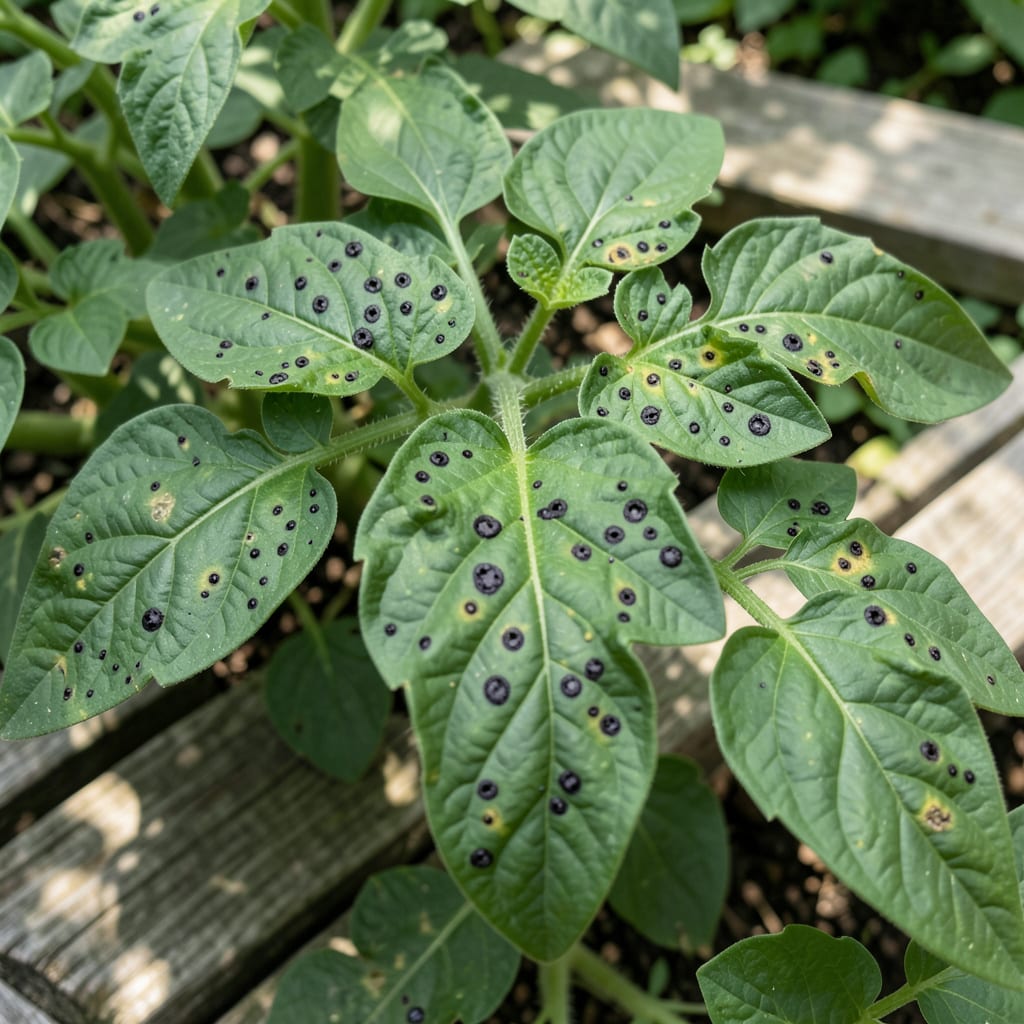
Those tiny black dots on your tomato leaves aren’t just unsightly—they’re a warning sign. I’ve seen entire crops wiped out by ignoring this early symptom, but catching it now makes all the difference.
Most cases trace back to fungal infections like early blight or bacterial speck, though pests can mimic the look. The pattern matters: irregular edges scream fungus, while circular spots with yellow halos often point to bacteria.
Here’s the thing—you can turn this around with 3 simple steps. Prune affected leaves at the stem, improve air flow between plants, and apply copper-based organic sprays at first sign.
Your tomatoes will thank you with a full season of healthy growth instead of a slow decline. Early action is everything.
Small black spots on tomato leaves often signal underlying issues that disrupt plant health. Understanding the root causes helps you address them effectively.
Fungi like Alternaria solani (early blight) or Septoria lycopersici thrive in warm, humid conditions. These pathogens produce dark, concentric spots on leaves, often with yellow halos. Spores spread via water splashes or wind, infecting plants through wounds or stomata. Poor air circulation and wet foliage accelerate their growth.
Pests such as spider mites, aphids, or whiteflies pierce leaf tissues to feed, leaving behind small black or brown spots from their saliva or fecal matter. Heavy infestations weaken plants, making them more susceptible to secondary infections. Inspect the undersides of leaves for tiny insects or webbing.
Overwatering, poor drainage, or inconsistent moisture levels can stress tomato plants, leading to leaf discoloration. Waterlogged roots reduce nutrient uptake, while drought causes cellular damage. Additionally, nutrient deficiencies (e.g., calcium or potassium) may manifest as dark spots, often accompanied by leaf curl or stunted growth.
Exposure to herbicides, excessive fertilizer salts, or even harsh sunlight can scorch leaves, creating blackened patches. Chemical burns often appear as irregular, necrotic spots, while physical damage (e.g., from tools or hail) invites opportunistic pathogens.
Tackling those pesky small black spots on tomato leaves starts with identifying the root cause. Here’s how to treat and prevent each common issue:
Fix: Remove and destroy infected leaves immediately to stop the spread. Apply a copper-based fungicide or a homemade mix of 1 tsp baking soda + 1 quart water + a few drops of dish soap. Spray every 7–10 days, especially after rain.
Prevention: 💡 Improve airflow by pruning lower leaves and spacing plants 2–3 feet apart. Water at the base (not overhead) to keep foliage dry. Mulch with straw to reduce soil splashing onto leaves.
Fix: Blast pests off with a strong stream of water. For stubborn cases, use neem oil or insecticidal soap, spraying the undersides of leaves where pests hide. Repeat every 3–5 days until gone.
Prevention: 🌡️ Encourage natural predators like ladybugs by planting companion herbs (basil, marigolds). Inspect leaves weekly for early signs of pests.
Fix: Prune infected leaves and avoid working with wet plants. Apply a bactericide with copper or a hydrogen peroxide solution (3%) diluted in water. Remove severely affected plants to protect others.
Prevention: ✨ Rotate crops yearly and avoid overhead watering. Sterilize pruning tools with rubbing alcohol between cuts. Use drip irrigation to keep leaves dry.
Fix: Adjust watering to 1–1.5 inches per week, letting the top inch of soil dry between waterings. For nutrient issues, test soil and amend with compost or a balanced organic fertilizer (e.g., 10-10-10).
Prevention: 🎯 Water in the morning and use a moisture meter to avoid overwatering. Feed tomatoes every 2–3 weeks during the growing season.
Fungal spots often have irregular edges and concentric rings, while bacterial spots are more circular with yellow halos. Check for wet, slimy texture with bacteria versus dry, powdery appearance with fungi.
Yes, the fruit remains safe to eat if only leaves are affected. Wash tomatoes thoroughly to remove any potential spores. Discard any fruit with visible spots or rot.
Fungal and bacterial spores travel easily through wind, water splash, or garden tools. Isolate affected plants and sterilize tools after use to prevent spreading.
For fungicides or bactericides, reapply every 7-10 days or after rain. For pest treatments like neem oil, repeat every 3-5 days until pests are gone.
