
Beautiful Plants For Your Interior
Beautiful Plants For Your Interior
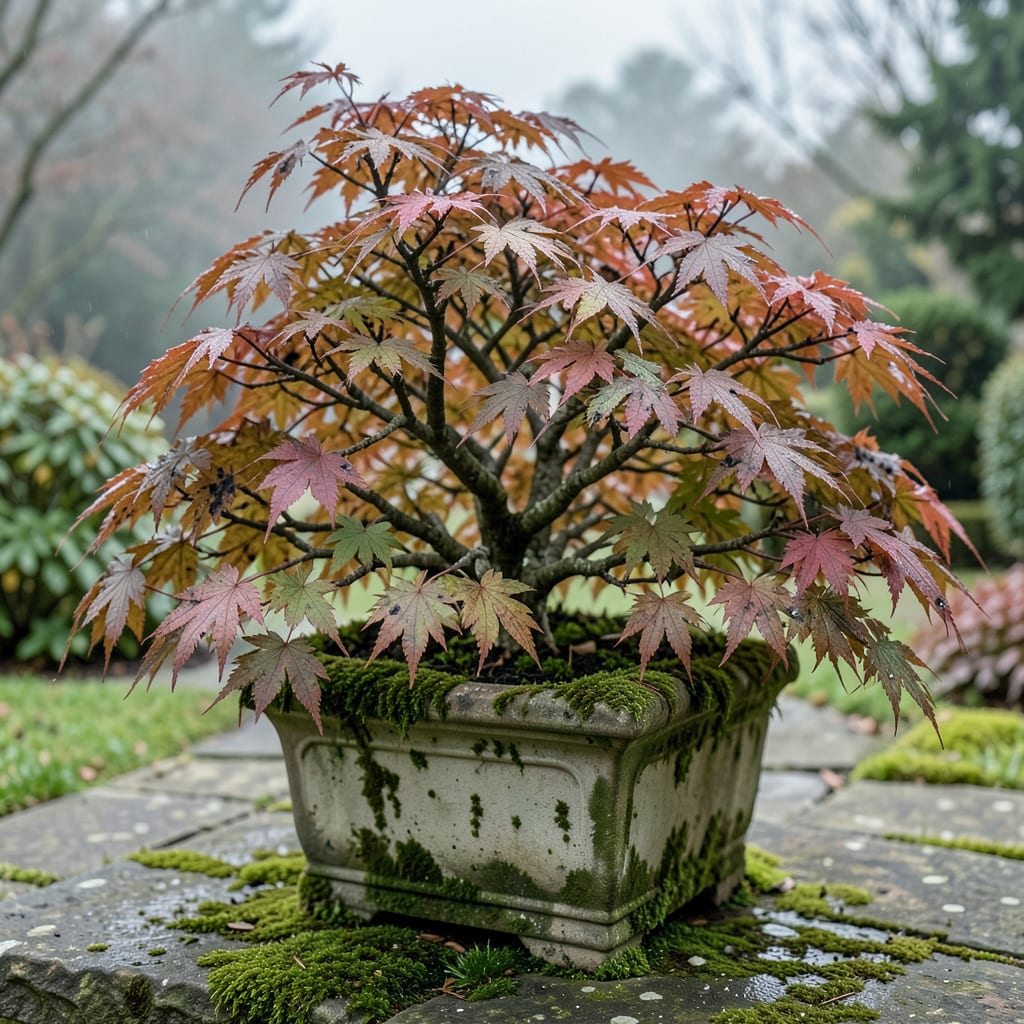
Spotted something off with your Japanese maple? I’ve seen leaf spots, blackened edges, and stunted growth turn a showstopper into a sad stick—all within weeks.
Most issues start small: a few curled leaves, a white powder on branches, or sap oozing from bark. Left unchecked, these spread fast. The good news? Early action often means full recovery.
You’ll need sharp pruners, the right fungicide, and a bit of patience. The tree bounces back stronger with consistent care, and you’ll see new vibrant growth within months.
Works for potted or in-ground trees, young or mature. Here’s the step-by-step to save yours.
Japanese maples are prized for their delicate beauty, but several factors can lead to disease. Understanding the root causes helps prevent and address issues effectively. Below are the most common culprits behind diseased Japanese maple trees.
Fungi like Phytophthora and Verticillium thrive in wet, poorly drained soil, attacking the roots and vascular system. Anthracnose and powdery mildew target leaves, causing spotting, wilting, or a white powdery coating. Overhead watering and high humidity exacerbate these issues.
Pests such as aphids, scale insects, and Japanese beetles weaken trees by feeding on sap or foliage. Aphids secrete honeydew, promoting sooty mold growth, while borers tunnel into the bark, disrupting nutrient flow. Regular inspection and early intervention are key.
Extreme temperatures, drought, or excessive moisture stress the tree, making it vulnerable to disease. Poor soil quality, compacted roots, or improper planting depth can also compromise health. Japanese maples prefer well-draining, slightly acidic soil and partial shade.
A lack of essential nutrients, particularly iron or manganese, can cause leaf yellowing (chlorosis) and stunted growth. Over-fertilization, especially with high-nitrogen products, may lead to weak, disease-susceptible foliage. Soil testing helps tailor fertilization to the tree’s needs.
Physical injuries from lawnmowers, trimmers, or improper pruning create entry points for pathogens. Even small wounds can invite fungal or bacterial infections. Always use clean, sharp tools and avoid damage to the bark or roots during maintenance.
Reviving a struggling Japanese maple starts with targeting the root cause. Below are clear, actionable fixes for the most common issues, paired with prevention tips to keep your tree thriving long-term.
Fix: Remove and destroy infected leaves or branches to prevent spread. Apply a copper-based fungicide or neem oil every 7–10 days during wet seasons. Prune in dry weather to allow airflow.
Prevention: Space trees properly, avoid overhead watering, and clean up fallen debris. 💡 Pro tip: Water early in the day so foliage dries quickly.
Fix: Blast pests off with a strong stream of water or use insecticidal soap for soft-bodied insects. For stubborn scale, apply horticultural oil in dormant seasons. Handpick beetles and drop them in soapy water.
Prevention: Introduce beneficial insects like ladybugs or lacewings. Inspect leaves weekly for early signs.
Fix: Stop watering immediately and let the soil dry out. If the rot is severe, trim black, mushy roots and repot in fresh, well-draining soil. Use a container with drainage holes if planting in pots.
Prevention: Water only when the top 1–2 inches of soil are dry. Amend heavy clay soil with compost or sand.
Fix: Deep-water the tree slowly at the base (1–2 inches per week) and mulch with 2–3 inches of organic material to retain moisture. For sunburn, provide dappled shade with a shade cloth during peak afternoon hours.
Prevention: Plant in a location with morning sun and afternoon shade. Keep soil consistently moist but not soggy.
Fix: Test soil pH (Japanese maples prefer 5.5–6.5). Amend with a balanced, slow-release fertilizer (10-10-10) or iron chelates for chlorosis (iron deficiency). Avoid high-nitrogen fertilizers, which can burn roots.
Prevention: Feed lightly in early spring and again in fall. Top-dress with compost annually for a nutrient boost.
Water deeply at the base 1-2 times per week, allowing the top 1-2 inches of soil to dry between waterings. Avoid overhead sprinkling to prevent fungal spread.
Yes, if caught early. Trim all black, mushy roots, repot in fresh well-draining soil, and stop watering until the soil dries. Recovery takes 4-6 weeks.
A copper-based fungicide or neem oil works best. Apply every 7-10 days during wet weather, and always prune in dry conditions for best results.
This is often leaf scorch from drought or too much sun. Provide dappled shade and deep-water slowly at the base to help the tree recover.
